

If you are pregnant and a tooth needs a root canal, the obvious question is whether it can wait. The answer is usually that it should not, and the reasoning turns on what happens to an infected tooth over the following weeks. What changes during pregnancy is the planning around the appointment, not whether the treatment can proceed. In this blog post, we cover whether a root canal during pregnancy is appropriate and why delay carries its own risk. We also cover how X-rays and anaesthesia are handled, plus which trimester suits the root canal treatment itself.
Quick Overview
- Root canal treatment can be undertaken at any stage of pregnancy without increasing the risk of poor pregnancy outcomes.
- Untreated infection spreads into the bone around the tooth root, which is what makes delay the greater risk.
- Dental X-rays can be taken during pregnancy, with a lead apron placed over your chest and stomach.
- Elective work with no clinical urgency is deferred until after the birth, while necessary treatment goes ahead.
Below, we set out what the guidance actually says, so you can weigh the decision rather than guess at it.
Can You Have a Root Canal While Pregnant?
Yes. Australian guidance states that root canal treatment, fillings and tooth extraction may be undertaken at any time during pregnancy. They do not increase the risk of poor pregnancy outcomes.
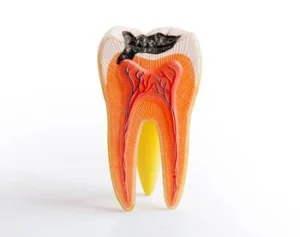
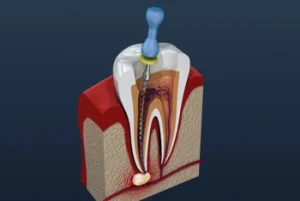
Root canal therapy treats the inside of a tooth. The pulp is the nerve and blood supply at its centre. Where that has become inflamed or infected, the infected tissue is removed, the space is cleaned and shaped, then sealed. Once the pulp is dead, the infection has no way of clearing on its own. The alternative for a severely infected tooth is extraction.
The procedure itself does not change because you are pregnant. What changes is the planning around it. That covers the timing where there is flexibility, the imaging approach, the medications used, and how long you spend reclined in the dental chair.
Treatment should not be avoided over concerns about the local anaesthetic, which is the worry raised more than any other.
Why Waiting Carries the Greater Risk
 This is the part that reframes the decision. Deferring necessary root canal treatment is not a neutral choice.
An inflamed tooth left untreated tends to progress. The pulp dies, infection spreads into the surrounding bone, and what began as severe tooth pain can develop into facial swelling and an abscess. Untreated decay and gum disease can cause infections that are severe and a risk to both you and your unborn baby.
There is a second consideration. Dental pain interferes with eating and sleeping, and a balanced diet matters more during pregnancy than at other times. Managing pain with medication for weeks is a poorer option than treating the cause.
Dental X-Rays During Pregnancy
Radiation exposure is the concern raised more than any other, and the position is settled.
Modern dental X-rays can be taken during pregnancy, on the advice of the Australian Radiation Protection and Nuclear Safety Agency. The radiation dose reaching an unborn baby from a dental X-ray is considered insignificant. For some X-rays you will be given a lead apron, placed over your chest and stomach as additional protection.
For a suspected infection, imaging is not optional. We cannot see inside a tooth or assess the bone around its root without it, and treatment planning depends on knowing what is there. A small film of one or two teeth is all that is usually required. Where a routine examination X-ray could reasonably wait, we may defer it. Where a tooth is painful or infected, we take the image, because the risk of working blind outweighs the minimal risk of the exposure.
Local Anaesthetic and Pain Relief
Local anaesthetic makes root canal treatment comfortable, and it has been used in very large numbers of pregnant patients without being associated with increased pregnancy risk.
The reason is how it works. A local anaesthetic acts where it is injected. It is not expected to enter the bloodstream in any quantity, or to cross the placental barrier to reach your baby.
Pain management afterwards needs more care, because pain medication differs from anaesthetic. Paracetamol is considered the first choice in pregnancy. Anti-inflammatory medicines such as ibuprofen are no longer recommended in pregnancy and should only be used under medical supervision. That is worth knowing before you reach for something out of habit, and we will tell you what is appropriate for you.
Where an infection needs antibiotics, we choose one appropriate for pregnancy and check it against your stage before prescribing.
Timing Across the Trimesters
You can see a dentist at any point in your pregnancy. Where there is flexibility, timing is chosen for comfort rather than safety.
 First trimester. Nausea, vomiting and gagging are more common in these months, which makes a long appointment harder to tolerate. This is also when many patients prefer to limit anything non-urgent, and we work with that where the clinical situation allows.
Second trimester. The third, fourth and fifth months are often the optimal time, because early nausea has usually settled and lying back is still comfortable. This is the window we aim for with necessary treatment that is not urgent.
Third trimester. The size of your baby can make reclining in the dental chair uncomfortable, and appointments are kept shorter for that reason. Urgent treatment still goes ahead, with adjustments to your position and breaks as needed.
The trimester affects how we schedule an appointment, not whether an infected tooth gets treated.
One distinction runs underneath all of this. Necessary root canal treatment addresses infection and pain, so it goes ahead. Elective dental procedures with no clinical urgency are the ones deferred until after the birth, and we will tell you which category your tooth falls into.
Book an Appointment If You Have Dental Pain
Dental pain during pregnancy is worth acting on quickly, because an infected tooth does not settle on its own and the options narrow as it progresses. At Boutique Dental Care, we provide root canal therapy as part of our general dentistry, and we adjust imaging, medications and appointment length around your pregnancy. Tell us how many weeks you are when you book, so we can plan the appointment properly. Tell us you are pregnant when you book, even if you have not told anyone else yet, because it changes how we plan the appointment. To arrange an appointment, please call us on (02) 9054 5281.
Frequently Asked Questions
Do I need my obstetrician’s approval first?
Not usually for straightforward treatment, though we will ask whether your pregnancy has any complications. Where there are, we may check in with your maternity team before proceeding. Bring the name of your obstetrician or midwife to the appointment so that the conversation is quick if it is needed.
Can I have a root canal completed in one visit while pregnant?
Often, and fewer visits can be preferable when sitting still is uncomfortable. It depends on the tooth and how much infection is present, since some cases need a dressing left in place between appointments. We will tell you which applies to your tooth before we start.
What if I only find out I am pregnant after having dental X-rays?
Mention it to your maternity team and to us, and expect reassurance instead of concern. The dose from a dental X-ray is considered insignificant, and it is directed at your jaw with your abdomen well away from the beam.
Will morning sickness affect the appointment?
It can, and it is worth telling us if it is significant. We can schedule you later in the day when nausea has often eased, keep you more upright, and take breaks. Do not brush your teeth for an hour after vomiting, since the enamel is temporarily softened by stomach acid.
Any surgical or invasive procedure carries risks. Before proceeding, you should seek a second opinion from an appropriately qualified health practitioner.
References
https://pmc.ncbi.nlm.nih.gov/articles/PMC4698844/
https://my.clevelandclinic.org/health/treatments/21759-root-canal