

Root canal treatment is designed to remove infection from inside a tooth and save the natural tooth structure. For most people, recovery is straightforward, with mild soreness settling within a few days.
For some patients, however, discomfort around the treated tooth continues, or new symptoms appear in the days or weeks following the procedure. Understanding the difference between normal recovery and signs of a gum infection after root canal treatment can help you know when to seek further care. If root canal treatment is something you have recently had or are planning, knowing what to watch for during recovery is an important part of protecting your oral health.
Quick Overview
- A gum infection after root canal refers to bacterial activity in the gum tissue or around the tooth root following treatment.
- It may occur in some patients even after a carefully performed procedure, for a range of reasons unrelated to the treatment itself.
- Symptoms to be aware of include persistent swelling, pain that worsens rather than improves, and a foul taste near the treated tooth.
- How quickly an infection resolves and what treatment it requires can vary depending on how early it is identified.
- If something feels wrong after root canal treatment, a dental assessment is the appropriate next step.
Keep reading to understand the common causes, warning signs, and what happens if a gum infection after root canal is left unaddressed.
What Is a Gum Infection After Root Canal Treatment?
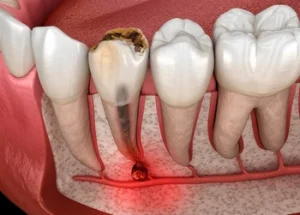 Root canal treatment removes infected or damaged pulp from inside the tooth. The root canals are then cleaned, shaped, and sealed to stop bacteria from causing further damage. After the procedure, the tooth is restored with a filling or crown.
In some cases, gum infection after root canal treatment can still develop. This does not necessarily mean the treatment was performed incorrectly. The surrounding gum tissue is separate from the inner tooth structure, and various factors can affect how the area heals after the procedure.
Untreated root canal infections can lead to chronic inflammation and damage to the tissue around the tooth. This is why monitoring your recovery and contacting your dentist if symptoms worsen is an important part of the treatment process.
Why Can a Gum Infection Occur After Treatment?
There are several reasons a gum infection may develop after root canal treatment.
Complex tooth anatomy. Some teeth have narrow or curved root canals, or accessory canals that are difficult to fully clean during the procedure. Bacteria remaining in these spaces can continue to cause problems in the surrounding gum tissue.
A weakened or failed seal. If the temporary filling placed after treatment becomes loose or cracks before a permanent crown is placed, bacteria from the mouth can re-enter the treated tooth and reach the surrounding tissue.
Pre-existing gum disease. If gum disease was present before treatment began, it does not resolve when the tooth is treated. Bacteria associated with gingivitis or periodontitis can complicate recovery and contribute to ongoing gum inflammation around the treated area.
Tooth fracture. A small crack in the treated tooth can allow bacteria to enter the surrounding tissues, even if the root canal itself was successfully completed.
Poor oral hygiene during recovery. Inadequate brushing and flossing around the treated area during the healing period can allow plaque to accumulate near the gum line and increase the risk of infection in the surrounding tissue.
What Are the Signs of Gum Infection After Root Canal?
Some discomfort and mild swelling in the days immediately following root canal treatment are a normal part of recovery. Symptoms that improve steadily are generally not a cause for concern.
The following signs may indicate a gum infection after root canal treatment and warrant a call to your dentist:
Persistent or worsening pain. Pain that does not ease after a few days, or that initially improves and then returns, may suggest that bacteria remain active around the tooth or in the surrounding tissue.
Swelling that does not resolve. Gum swelling near the treated tooth that persists beyond the first week, or swelling that extends to the jaw or cheek, should be assessed.
A bump or pimple on the gum. A small raised spot near the treated tooth, sometimes called a dental fistula or gum boil, can indicate that the body is trying to drain infected fluid from a deeper area. Even if this bump appears and disappears, it should not be dismissed, as it may indicate ongoing infection beneath the surface.
A bad taste or smell. A persistent foul taste or odour coming from around the treated tooth can indicate infection draining from the gum tissue.
Tooth discolouration. If the treated tooth appears noticeably darker than surrounding teeth, this may indicate that tissue inside the tooth continues to be affected.
Feeling generally unwell. Fever, fatigue, or swollen lymph nodes in the jaw or neck area can be signs that an infection is spreading beyond the local tissue and requires prompt attention.
If any of these symptoms are present, contacting your dentist promptly allows early assessment and reduces the risk of further complications.
What Happens If a Gum Infection Is Left Untreated?
 A gum infection following root canal treatment does not resolve on its own. Without treatment, the infection can spread to the surrounding teeth, jaw, and deeper tissue.
Signs of a tooth abscess, which can develop when infection collects near the root tip, include swelling, persistent pain, and a pimple-like bump on the gum near the affected tooth. An abscess requires professional treatment and will not clear up without dental care.
In more advanced cases, untreated infection can cause bone loss around the supporting structures of the tooth, which may compromise the tooth’s long-term prognosis. If infection spreads significantly, more involved treatment may be required, and in some situations, the tooth may not be salvageable.
Catching a gum infection early significantly widens the range of treatment options available.
How Is a Gum Infection After Root Canal Treated?
The appropriate treatment depends on the source and severity of the infection. Your dentist will assess the tooth using X-rays and a clinical examination to determine the cause before recommending a course of action.
Options that may be considered include:
- Antibiotics to manage bacterial activity, though these are typically used alongside other treatments rather than as a standalone solution.
- Root canal retreatment, where the treated tooth is reopened, the canals are cleaned again, and the tooth is resealed.
- Drainage of an abscess, if one has formed near the root tip or in the surrounding gum tissue.
- Tooth extraction, in situations where the infection is too advanced to be resolved through other means and the tooth cannot be preserved.
The right course of action depends on your individual circumstances and will be discussed with you by your dentist.
Protecting Your Oral Health After Root Canal Treatment
Good care in the weeks and months following root canal treatment plays an important role in recovery and in protecting the treated tooth. Maintaining good oral hygiene after treatment by brushing twice daily with fluoride toothpaste, flossing regularly, and attending scheduled check-ups supports healing and reduces the risk of further infection.
It is also important to have the permanent crown placed as soon as your dentist recommends. Leaving the temporary filling in place for longer than advised increases the risk of bacterial entry and reinfection.
A Considered Approach to Your Recovery
Gum infection after root canal treatment is not a common outcome, but it does occur in some cases. Being aware of the warning signs and acting on them promptly makes a meaningful difference to the outcome.
If you have concerns about symptoms following root canal treatment, the team at our Chatswood dental practice is here to help. Call (02) 9054 5281 or book an appointment online to arrange an assessment.
Note: Any surgical or invasive procedure carries risks. Before proceeding, you should seek a second opinion from an appropriately qualified health practitioner.
Frequently Asked Questions
How long is some discomfort normal after a root canal?
Mild soreness and sensitivity around the treated tooth for the first few days are a normal part of recovery. Discomfort that steadily improves over this period is generally not a sign of infection. If pain does not ease within a week, worsens after initially settling, or returns after a period of improvement, contact your dentist for assessment.
What can I do to reduce my risk of infection after a root canal?
Following your dentist’s aftercare instructions carefully is important. This includes taking any prescribed medication as directed, avoiding hard foods on the treated side until the permanent restoration is placed, maintaining good daily oral hygiene, and attending follow-up appointments. Contact your dentist promptly if any concerning symptoms develop, rather than waiting to see if they pass.
References
Healthdirect Australia. (2025). ‘Root canal treatment’. Healthdirect Australia. Sydney, NSW: Australian Government. https://www.healthdirect.gov.au/root-canal-treatment
Teeth.org.au. (n.d.). ‘Root Canal Treatment’. Teeth.org.au. Australia: Australian Dental Association. https://teeth.org.au/root-canal-treatment
Better Health Channel. (n.d.). ‘Teeth and mouth care’. Better Health Channel. Melbourne, VIC: Department of Health, State Government of Victoria. https://www.betterhealth.vic.gov.au/health/ConditionsAndTreatments/teeth-care