

There is a moment after completing Invisalign treatment when you first look closely at the new positions of your teeth and begin comparing the change with what you imagined earlier. If you have caught yourself thinking, “My teeth aren’t perfect after Invisalign,” you are not alone in having that sudden pause when expectation and reality feel slightly out of step.
This thought often appears quietly, shaped by small details that only become noticeable once the trays are no longer guiding the mouth. Your Invisalign journey may feel mostly successful yet leave you curious about subtle differences, especially when you expected straight teeth without variation.
The aim of this guide is to help you understand what might be happening, why small variations occur, and how you can move forward with clarity and confidence.
Why Your Teeth May Not Look Fully Aligned After Invisalign
Minor Rotations Linked To Natural Root Positions
Some tooth movements depend on root positioning deep within the bone, which means surface alignment sometimes stops short of your original expectations. Unlike traditional metal braces, clear trays rely on controlled pressure that may not fully adjust root direction when rotations are involved. This can leave certain teeth appearing slightly angled, even though most of the alignment has improved.
Natural root variation plays a larger role than many patients realise, especially when earlier crowding limited space. Mild differences in rotation do not mean treatment failed, only that biological limits shaped the final arrangement.
Tooth Shapes Creating Limits For Tray Movement
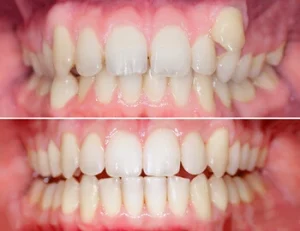 The outline of each tooth influences how Invisalign aligners grip during straightening teeth. Rounded edges or tapered shapes may offer less contact for effective guidance, which means some movements progress more slowly than others.
This is not unusual and often becomes more visible once treatment ends. Several factors influence how trays interact with these surfaces, and shapes that differ from surrounding teeth may respond with slight delays. Many patients interpret these differences as concerns when they are simply reflections of natural tooth form.
Previous Crowding Influencing End Positions
Crooked teeth that were tightly packed before treatment sometimes respond unevenly once space opens. The early stages can create room, but residual tension within the mouth may limit complete correction. Other teeth nearby influence these shifts, which means the final position is a balance of anatomy, spacing, and pressure patterns. Teeth alignment improves, but some edges may not sit perfectly straight due to earlier compression. These nuances often become clearer when you compare before and after views.
Bite Shifts Forming During Certain Stages
Temporary bite issues can appear during Invisalign treatment because each aligner tray moves teeth in a planned sequence. These shifts help reach proper alignment but can create small differences when the bite adjusts unevenly. Bite issues remain in some cases when upper and lower teeth settle at different speeds. Any variations you see at the end may relate to these transitional changes rather than long-term problems. Your dentist can identify whether these movements need refinement aligners or additional steps.
Small Gaps Shaped By Late Movement Patterns
Towards the end of treatment, some teeth shift more actively while others slow progress due to natural resistance. These variations can create small spaces that become noticeable once the final tray is removed. Additional aligners may be required to close gaps if late movements were not completed entirely. When many patients finish treatment, these minor spacing patterns reflect how the mouth responds to controlled pressure. A review helps determine whether refinement trays are helpful.
Height Variations Driven By Earlier Alignment Needs
During straightening teeth, some teeth erupt or move differently because earlier positions required extra adjustments. As a result, slight height differences may remain even after proper alignment has largely been achieved.
These differences do not always reflect a problem; they often represent a normal part of progressive movement. When certain teeth move more vertically than others, their edges may sit fractionally higher or lower compared with neighbouring teeth. A closer look at your case helps clarify whether small refinements are worthwhile.
What You Can Do When Your Teeth Aren’t Perfect After Invisalign
Request Refinements To Address Specific Areas
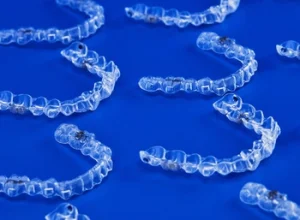
Refinement aligners help correct precise spots where movement did not reach the desired results during the main treatment. These trays work in smaller increments, allowing your dentist to target individual teeth more directly. The process may feel familiar and typically involves fewer trays. When many patients finish treatment, refinement is a normal part of finalising alignment. Your dentist can assess which areas would benefit most from these adjustments.
 Follow Updated Wear Instructions Precisely
 Follow Updated Wear Instructions Precisely
Refinements depend on wearing the trays for the recommended hours a day, so progress stays consistent. Inconsistent wear is one of the most common reasons movement slows or stops. Good oral hygiene also supports healthy adjustment by reducing plaque buildup that might interfere with comfort or fit. When lifestyle choices disrupt wear schedules, aligners cannot guide teeth effectively. Close attention to these details helps refinement aligners perform as intended.
Use Chewies To Improve Tray Engagement
Chewies increase aligner seating by creating more direct pressure across contact points. They help improve how well trays grip teeth that require extra support. Using them regularly during refinement may help prevent shifting and guide surfaces into more stable positions. Proper care of the trays is essential so they maintain shape while offering steady contact. This small habit can make noticeable differences during adjustments.
Attend Reviews To Monitor Correction Progress
Regular check-ups allow your dentist to identify small concerns early and adjust the treatment plan quickly. These visits help assess whether teeth stay on the intended path and whether additional rounds of refinement are needed. Sometimes slow progress occurs due to factors such as gum issues or bite adjustments that change during alignment. Staying consistent with review visits keeps communication active and supports more predictable outcomes.
Raise Concerns Early To Guide Next Steps
Open discussion helps your dentist fine-tune each stage of refinement and recommend options to address lingering issues. Raising concerns early allows for changes before treatment ends or before new patterns develop. Improving alignment relies on accurate feedback between you and your dentist.
What Happens If Imperfect Results Are Left Unaddressed
Uneven Contacts Altering Bite Comfort
When alignment stops short of intended positions, uneven contacts may shift how your bite settles. This can create extra pressure on isolated teeth during eating or speaking. Over time, these pressure points may encourage unwanted movement when other teeth attempt to compensate. Bite concerns that feel small now may become more noticeable later. Early evaluation helps reduce these patterns.
Localised Wear Creating Surface Imbalance
If certain teeth meet earlier than others, their surfaces may begin to wear in irregular ways. This can gradually alter how the bite distributes pressure across the mouth. Uneven wear may develop when contact points repeatedly strike in high-pressure spots. These mechanical changes tend to progress slowly but influence long-term oral health.
Shifting Patterns Influencing Gum Comfort
Gum issues may appear when alignment remains incomplete because food particles get trapped in new locations. Plaque buildup can accumulate more easily in tight areas or uneven spaces. These changes may cause the gums to feel tender or slightly inflamed. Regular dental check-ups can identify whether these changes relate to alignment or hygiene habits. Addressing these early prevents further irritation.
Ways To Keep Improvements Steady Once Invisalign Is Finished
 Wear Retainers Consistently For Long-Term Steadiness
 Wear Retainers Consistently For Long-Term Steadiness
Retainers play a critical role in helping teeth stay in new positions once treatment ends. Wearing them as directed prevents shifting and protects the progress made during the main treatment. Retainer schedules vary depending on the mouth and how aligned teeth settle after refinement. Maintaining this routine avoids the likelihood of returning movements.
Store Aligners Safely To Avoid Distortion
Proper care of retainers or trays helps them hold shape and maintain function. When aligners become distorted, they cannot support alignment effectively. Storing them safely prevents accidental bending or pressure that alters their fit. This habit protects the mouth from returning to earlier positions. It also keeps treatment predictable over time.
Check Bite Balance During Routine Reviews
Regular check-ups help identify whether bite issues remain or if new patterns are forming. These appointments provide opportunities to assess how teeth settle and whether additional aligners might be beneficial. Monitoring bite stability protects oral health and supports long-term comfort. Reviews also confirm whether any earlier concerns have been resolved.
Maintain Oral Hygiene To Support Gum Stability
Maintaining good oral hygiene helps the gums adapt comfortably to new positions. When plaque buildup stays low, gums remain healthier and less reactive to minor alignment changes. A steady routine benefits oral health and supports long-term comfort during alignment maintenance. Your dentist may recommend care strategies based on earlier findings during treatment. Healthy gums contribute to overall stability.
Strengthen Your Invisalign Results With Us
Your Invisalign results reflect a combination of biology, tray design, and how movement progressed throughout treatment, and even minor differences can become clearer once treatment ends. If you have been wondering why some areas do not look fully settled, your next steps become easier when guided by tailored review and refinement. Our clinic can assess your bite, alignment, and retainer fit to help you achieve a predictable outcome.
You can discuss refinement options, additional aligners, or stability checks during a visit that focuses fully on your concerns. If earlier movement patterns resemble issues sometimes seen after traditional braces, we can explain how those factors relate to your current alignment. To take the next step toward reliable alignment support and maintain your confident smile, contact our clinic on (02) 9054 5281.
References
https://www.forbes.com/health/dental/what-is-invisalign/
https://www.webmd.com/healthy-aging/is-it-too-late-to-straighten-your-teeth