

A filling appointment can feel uncertain if you have not had one before. You may be wondering whether the tooth will hurt, whether the numbness will work, or whether the appointment will feel different from a routine visit. Many people ask, “Do dental fillings hurt?” because they want a clearer idea of what the procedure may actually feel like. This article explains what you may notice during treatment, why some teeth feel sensitive afterwards, and which situations can make fillings feel more uncomfortable. Knowing what may happen beforehand can make the process easier to follow.
Will A Filling Feel Sore During Treatment?
Most filling appointments are planned around reducing discomfort while the damaged area is treated.
Numbing Options Used Before Treatment
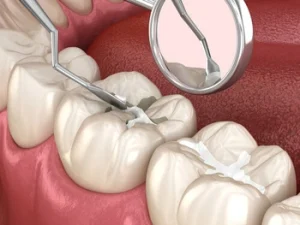
A local anaesthetic is commonly used before the dental filling procedure begins. This helps manage pain around the affected tooth while the dentist removes decay and shapes the area for repair. Some people still notice pressure or movement, but the aim is to reduce discomfort during the appointment.
 Pressure Versus Sharp Pain
 Pressure Versus Sharp Pain
During a tooth filling, pressure can feel different from sharp pain. You may feel vibration, water spray, or gentle pushing as the tooth is prepared. If you feel pain during treatment, you can let your dentist know so the area can be checked and adjusted.
Tooth Position And Sensitivity Levels
Back teeth can sometimes feel different during treatment because they are closer to stronger biting forces. A front tooth may feel easier to access, while a molar can take more time depending on the cavity size. Some people experience pain more easily if the nerve inside the tooth is already irritated.
Signs Your Tooth May Need Extra Attention
If dental fillings hurt more than expected, the tooth may need further assessment. Deep decay, cracks, or existing inflammation can change how the tooth responds. In some cases, slight discomfort or mild discomfort during a filling procedure may be related to the condition of the tooth before treatment, not the filling itself.
Is It Normal To Feel Sensitive After A Filling?
Sensitivity after a filling can happen, but the pattern and duration matter.
Cold Drinks Trigger Short Discomfort
Tooth sensitivity after treatment may occur when cold foods or drinks touch the filled area. Sensitive teeth can react more noticeably for a short period, especially if the cavity is close to the inner tooth layers. Sensitivity to hot or cold temperatures should gradually settle, although timing can vary from person to person.
Bite Pressure Feels Different
A filled tooth can feel slightly different when you first chew on it. If your bite feels high or uneven, the filling may be touching the opposing tooth sooner than it should. This can usually be reviewed by your dentist, especially if chewing feels awkward or sore.
Nerve Irritation Inside Deep Cavities
Pain persists in some cases when the nerve has been affected before the filling was placed. Ongoing pain may suggest the tooth needs further review rather than waiting for it to settle on its own. The dentist may check the filling, the bite, and the deeper condition of the tooth.
Recovery Time Between Small And Large Fillings
Larger fillings can take longer to feel settled than smaller ones. During the early recovery period, sticky foods and hard or sticky foods may place extra pressure on the restored area. You may also be advised to avoid extremely hot drinks or meals until the numbness has fully worn off.
Changes Worth Mentioning To Your Dentist
Good oral hygiene helps keep the area around the filling clean as the tooth adjusts. Still, brushing and flossing cannot correct a high bite or deeper nerve irritation. If discomfort changes, becomes stronger, or affects eating, it is worth raising this during a dental review.
Can Certain Fillings Feel More Uncomfortable?
Some teeth are more likely to feel sensitive because of the depth of decay or the amount of tooth involved.
Severe Decay Near The Nerve
Tooth decay close to the nerve can make treatment more complex. Deep fillings may leave the tooth more reactive afterwards because less tooth structure remains between the filling and the nerve. Intense pain, especially if it lingers or wakes you at night, may need further assessment.
Jaw Tension During Longer Appointments
Longer appointments can sometimes make the jaw feel tired, especially if the mouth has been open for an extended period. The choice of dental material and filling material may also affect the steps involved during placement. Composite resin, for example, is placed in layers and shaped to fit the tooth surface.
Previous Dental Anxiety And Stress Responses
Past dental experiences can influence how your body responds during treatment. Some people feel more alert to movement, sound, or pressure, even when the tooth is numb. A previous allergic reaction should also be discussed before treatment, so the dentist can review materials and medical history.
Deeper Dental Problems Behind The Filling
Sometimes a filling is not enough if decay has already reached the inner tooth. In those cases, root canal therapy may be discussed, particularly when the nerve is inflamed or infected. Addressing cavities early can reduce the chance of more complex care later, including root canal treatment or tooth loss in severe cases. Teeth affected by deeper decay may also react more strongly during restorative treatment.
How Do Dentists Help Patients Feel More Relaxed?
A filling appointment can be adjusted to suit your comfort level, medical history, and response during care.
Breaks During Longer Procedures
Short pauses can help if your jaw feels tired or you need a moment during treatment. Pain relief advice may also be discussed before or after the appointment, depending on your needs. Your dentist can explain what sensations are expected and which ones should be checked.
Gentle Communication Throughout Treatment
Clear communication can make the appointment easier to follow. Your dentist may explain each stage before moving ahead, especially if you feel unsure. This also supports oral health because you can understand why the filling is needed and what care may be required afterwards.
 Sedation Options For Nervous Patients
 Sedation Options For Nervous Patients
Some people feel nervous before restorative dental care, even if the treatment is straightforward. Depending on your medical history, sedation options may be discussed before your dental check-up or planned appointment. Suitability varies, so your dentist will need to assess your needs first.
Follow-Up Visits For Ongoing Discomfort
A follow-up visit may be needed if discomfort continues beyond the expected settling period. Your dentist may check the bite, examine the tooth, and look for signs of deeper irritation. Small adjustments can sometimes make a noticeable difference, while other cases may need further investigation.
Talk With Us If You Are Unsure About Dental Fillings
A filling should be planned around the condition of your tooth, your sensitivity level, and any concerns you have before treatment. Some patients feel very little during the appointment, while others notice pressure, vibration, or temporary sensitivity afterwards. The cause of discomfort can vary, so it is worth having the tooth assessed rather than guessing. If symptoms continue, our dentist can review the filling and decide whether further care may be needed. We can talk you through what to expect before treatment begins. You can also ask questions about numbing, aftercare, and possible next steps during your appointment. To discuss your filling needs, please contact our dental clinic on (02) 9054 5281.
References
https://www.colgate.com/en-us/oral-health/cavities/cavity-fillings-do-they-hurt
https://my.clevelandclinic.org/health/treatments/17002-dental-fillings