

If you have ever postponed a dental appointment because of nerves, a low pain threshold, or fear of a complex dental procedure, you are not alone. Many people experience dental anxiety, and for some, it is strong enough to interfere with essential dental care. That is where sedation dentistry comes in.
One of the most commonly discussed options is IV sedation. But a very important question often follows.
Is IV sedation safe?
The short answer is that IV sedation is generally safe when administered by a trained dental professional in an appropriate clinical setting. However, like any medical procedure, it involves careful assessment, monitoring, and planning.
Let us explore how it works, who it suits, and what safety really means in the context of IV sedation dentistry.
What Is IV Sedation and How Does It Work?
 IV sedation, also known as intravenous sedation, involves delivering sedative medications directly into the bloodstream through an IV line. This allows the dentist to control the level of sedation precisely and adjust the dose as needed during the IV sedation procedure.
Unlike general anaesthesia, patients remain conscious under IV sedation. This type of conscious sedation means you can still respond to verbal cues, breathe independently, and maintain protective reflexes. However, you will feel deeply relaxed and may remember very little about the dental treatment afterwards.
IV sedation induces a state of deep relaxation. Many patients describe feeling drowsy, calm, and detached from their surroundings. Some even feel sleepy or lightly drift in and out, but they do not fully fall asleep in the same way they would under general anaesthesia.
Is IV Sedation Safe in a Dental Setting?
The question “Is IV sedation safe?” deserves a thoughtful answer.
In modern dental clinics, IV sedation techniques are carefully regulated. Before you receive IV sedation, the dental team conducts a thorough review of your patient’s medical history. This includes current medications, allergies, medical conditions such as high blood pressure, and any previous reactions to sedation or general anaesthesia.
When performed by a properly trained clinician, IV sedation is considered generally safe for most healthy adults. Throughout the dental procedure, your vital signs are closely monitored. This includes blood pressure, heart rate, oxygen levels, and breathing patterns.
The dentist administers the IV sedative in carefully measured doses. Because the medication goes directly into the bloodstream, its effects begin quickly and can be adjusted in real time.
Serious complications are rare, especially in patients who have been appropriately assessed beforehand. The key to safety lies in screening, monitoring, and professional training.
IV Sedation and General Anaesthesia: What Is the Difference?
Many people confuse IV sedation and general anaesthesia, but they are not the same.
With sedation and general anaesthesia, the depth of unconsciousness differs significantly. Under general anaesthesia, patients are fully unconscious and require airway support. It is typically used for major surgical procedures in hospital settings.
In contrast, IV sedation offers moderate sedation or sometimes deep sedation while still allowing patients to remain conscious. You can respond to verbal cues and breathe on your own. This makes IV sedation dentistry suitable for complex dental work, oral surgery, gum surgery, and tooth extraction without the risks associated with full general anaesthesia.
For anxious patients, this balance between awareness and relaxation creates a comfortable environment without complete loss of consciousness.
Who Can Benefit From IV Sedation?
The benefits of IV sedation are particularly helpful for certain groups of patients.
Anxious Patients
Dental anxiety is one of the most common reasons people avoid dental care. IV sedation helps patients feel relaxed and detached from the sights and sounds of the dental chair. For those who have had traumatic experiences in the past, IV sedation helps rebuild trust and comfort during a dental visit.
People With a Strong Gag Reflex
A strong gag reflex can make even simple dental work uncomfortable. IV sedation reduces this reflex and improves patient cooperation, making it easier for the dental professional to complete treatment efficiently.
Patients With a Low Pain Threshold
Although local anaesthesia numbs the treatment area, some patients are highly sensitive to discomfort. IV sedation works alongside a local anaesthetic to create a comfortable experience and reduce emotional stress.
Complex or Lengthy Dental Treatment
Procedures such as oral surgery, gum surgery, multiple tooth extraction, or extensive dental treatment may take longer. IV sedation makes it easier for patients to remain comfortable in the dentist’s chair for extended periods.
How the IV Sedation Procedure Works
Understanding the IV sedation procedure can ease concerns.
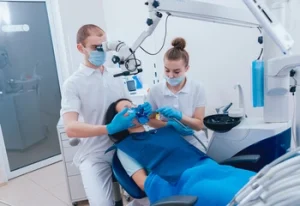 Before the appointment, your dental clinic will provide instructions. You may be advised not to eat or drink for a few hours beforehand. You will also need a responsible adult to accompany you home afterwards.
At the clinic, the dentist administers a small IV line into a vein, usually in your arm or hand. The sedation medicine is delivered slowly, and within minutes, you begin to feel relaxed and drowsy.
During the dental procedure, you are closely monitored. Equipment tracks oxygen levels, blood pressure, and heart rate to ensure everything remains stable.
Once the dental work is complete, the medication is stopped. You may feel sleepy for several hours. Because of this, you should not drive, operate machinery, or make important decisions on the same day.
What About Risks and Side Effects?
No medical procedure is entirely risk-free. That said, serious complications with IV sedation are uncommon when proper protocols are followed.
Some temporary side effects may include:
- Feeling drowsy or groggy
- Mild nausea
- Headache
- Temporary memory gaps
Rarely, allergic reactions to sedative drugs can occur. This is why reviewing your medical history and any previous allergic reactions is essential.
Patients with certain medical conditions, including severe heart or lung disease, may require additional assessment. In some cases, sedation and general anaesthesia in a hospital setting may be more appropriate.
IV Sedation Beyond Dentistry
Although often associated with sedation dentistry, intravenous sedation is used in many other areas of healthcare. It is commonly employed in orthopaedic surgery, fracture reduction, minor surgical procedures, and other medical procedures where moderate sedation or deep sedation is beneficial.
The safety protocols in dental settings are based on the same medical principles used in hospitals. Monitoring, dosage control, and trained professionals are central to safe practice.
Why Proper Assessment Matters
One of the most important factors in answering “Is IV sedation safe?” is patient selection.
A complete review of the patient’s medical history allows the dental team to identify potential risks. Conditions such as uncontrolled high blood pressure, severe sleep apnoea, or certain neurological disorders may influence the decision to use IV sedation.
Your dentist administers sedation only after confirming that it is suitable for you. This careful approach significantly reduces the likelihood of serious complications.
The Role of Monitoring During Sedation
During the entire dental appointment, you are closely monitored. Equipment measures oxygen levels and blood pressure continuously. The dental team is trained to recognise early signs of complications and respond quickly.
Because IV sedation induces a controlled state of relaxation rather than complete unconsciousness, protective reflexes are maintained. Patients remain conscious and can respond if asked to open their mouth or adjust their position.
This combination of deep relaxation and preserved awareness is one reason IV sedation is considered generally safe in appropriate candidates.
What Happens After the Appointment?
Recovery from IV sedation is usually straightforward. Most patients feel sleepy for several hours and may not remember much about the dental work.
It is essential to have a responsible adult drive you home and stay with you for the remainder of the day. Avoid operating machinery, signing legal documents, or returning to work immediately.
By the next day, most people feel back to normal.
So, Is IV Sedation Safe?
For most healthy adults undergoing dental treatment, IV sedation is generally safe when delivered by a trained dental professional in a properly equipped dental clinic.
It provides a comfortable experience for anxious patients and those undergoing complex dental procedures. With careful screening, continuous monitoring, and adherence to clinical guidelines, the risk of serious complications remains low.
However, safety always begins with honest communication. Share your complete medical history, ask questions about the IV sedation procedure, and ensure you understand the preparation and recovery instructions.
How to Prepare for IV Sedation the Right Way
Preparing properly for IV sedation helps ensure your dental appointment runs smoothly and safely. While your dental team will provide personalised instructions, following general pre-appointment guidelines makes a significant difference to comfort and outcomes.
Fasting Before Your Appointment
Most patients are advised not to eat or drink for several hours before the IV sedation procedure. This lowers the risk of nausea and supports airway safety during moderate sedation. Even though patients remain conscious, IV sedation induces deep relaxation, so fasting adds an important safety layer.
Always follow the exact timing provided by your dental clinic. Eating too close to the appointment may result in delays.
Medication Adjustments
If you take medication for conditions such as high blood pressure, diabetes, or heart disease, your dentist may review these before treatment. In some cases, coordination with your dental professional is recommended.
Do not stop or alter medication unless specifically instructed. The goal is to keep your health stable while ensuring sedation medicine works safely.
What to Wear and Bring
Wear loose, comfortable clothing with sleeves that allow easy access for the IV line. Remove jewellery and nail polish if advised, as monitoring equipment is often placed on your finger to track oxygen levels.
Arrange for a responsible adult to take you home. After IV sedation, you may feel sleepy and should not drive or operate machinery.
Why Preparation Matters
Careful preparation reduces side effects, supports stable blood pressure and oxygen levels, and helps create a more predictable and calm dental procedure. Following instructions closely allows the dental team to focus fully on your care.
What to Tell Your Dentist Before You Receive IV Sedation
Open communication is essential when planning IV sedation dentistry. A complete understanding of your patient’s medical history allows the dental professional to assess suitability and tailor the approach safely.
Your Medical History
Inform your dentist about any health conditions, including asthma, sleep apnoea, heart disease, diabetes, or anxiety disorders. Previous complications with sedation and general anaesthesia should also be disclosed.
This information helps reduce risk and guides safe decision-making.
Medications and Supplements
Provide a full list of prescription medicines, over-the-counter drugs, vitamins, and herbal remedies. Some supplements may interact with sedative drugs or affect bleeding and blood pressure.
Accurate information allows the dental team to adjust IV sedation techniques appropriately.
Smoking and Alcohol
Smoking and alcohol use can influence how your body responds to sedation medicine and recovery time. Being honest ensures your safety and helps avoid unexpected reactions.
Previous Sedation Experiences
If you have experienced nausea, allergic reactions, or prolonged drowsiness after a medical procedure, share this with your dentist. Past responses often predict future reactions.
Clear communication ensures IV sedation is customised to your needs and remains generally safe.
How Long Does IV Sedation Last?
Many patients want to know how long IV sedation lasts and what recovery involves.
Onset Time
IV sedation works quickly. Because the IV sedative enters directly into the bloodstream through an IV line, most patients feel relaxed within minutes. A warm or light sensation is common as the sedation takes effect.
During the Dental Procedure
The level of moderate sedation or deep sedation can be maintained throughout the dental work. The dental team monitors you closely and adjusts the dosage as needed. Patients remain conscious but deeply relaxed and able to respond to verbal cues.
After the Appointment
Once the sedation medicine is stopped, recovery begins gradually. You may feel sleepy for several hours and have limited memory of the dental visit. Most people feel normal by the next day.
Lingering Drowsiness
It is common to feel drowsy or slightly foggy for the rest of the day. Rest at home, stay hydrated, and avoid driving or operating machinery. A responsible adult should remain with you until you are fully alert.
Understanding the expected timeline helps reduce uncertainty and makes the overall experience feel more manageable and reassuring.
A Calm, Comfortable Way to Receive Dental Care
 If fear has kept you away from the dentist’s chair, know that you are not alone. Sedation dentistry has helped countless patients receive IV sedation safely and comfortably.
Whether you need oral surgery, gum surgery, or routine dental work but struggle with dental anxiety, IV sedation offers a practical solution. It allows you to feel relaxed, drowsy, and calm while remaining responsive.
When administered correctly, IV sedation helps transform a stressful dental visit into a manageable and often surprisingly positive experience.
If you are considering sedation for your next dental appointment, speak with our experienced team at Boutique Dental Care. They can guide you through IV sedation techniques, explain monitoring protocols, and assess whether you are a suitable candidate for treatment.
Call Boutique Dental Care on (02) 9054 5281 to discuss your options and book a consultation. With the right support and careful planning, you can move forward with your dental treatment feeling calm, informed, and well cared for.
Note: Any surgical or invasive procedure carries risks. Before proceeding, you should seek a second opinion from an appropriately qualified health practitioner.
References
Drugs.com. (n.d.). Over-the-counter (OTC) medications. Retrieved from https://www.drugs.com/otc/
Healthdirect. (n.d.). Obstructive sleep apnoea. Retrieved from https://www.healthdirect.gov.au/obstructive-sleep-apnoea
Cleveland Clinic. (2025, August 5). What is sedation dentistry? Retrieved from https://my.clevelandclinic.org/health/articles/gag-reflex
Mayo Clinic. (n.d.). Anaesthesia: What you can expect. Retrieved from https://www.mayoclinic.org/tests-procedures/anesthesia/about/pac-20384568
ScienceDirect. (n.d.). Intravenous sedation. Retrieved from https://www.sciencedirect.com/topics/medicine-and-dentistry/intravenous-sedation