

You might notice your teeth look slightly uneven in photos or feel different when your bite comes together during everyday meals. Over time, small changes like these can influence how you clean around your teeth and how your smile appears in social situations. If you have been considering affordable clear aligners, it is natural to compare options and think about how treatment fits into your routine. You may be looking for an approach that is less noticeable than fixed appliances while still addressing alignment concerns. At the same time, it helps to understand how each option works before committing. This guide outlines key points to help you make a clear and informed decision.
What Are Clear Aligners?
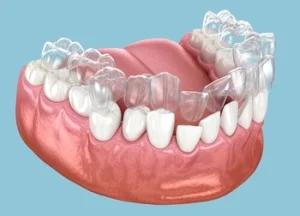
Clear aligners are transparent trays designed to fit closely over your teeth and guide gradual movement over time. Each set is shaped to match your current tooth position, then adjusted slightly to encourage controlled changes. Unlike traditional braces, which use brackets attached to the surface of the teeth, aligners rely on a sequence of trays to guide movement. They are also different from metal braces, where wires are adjusted periodically to apply pressure. Because aligners are removable, they allow flexibility in daily routines while still supporting alignment. This approach is commonly used when gradual changes are planned across multiple stages.
What Does The Clear Aligner Procedure Involve From Start To Finish?
The clear aligner procedure follows a structured process where each stage builds on the previous one to guide tooth movement steadily.
 Initial Consultation And Digital Assessment
The process begins with a detailed assessment where your teeth, bite, and overall oral condition are reviewed. Digital scans and images help map your current alignment and identify areas that need adjustment. This stage ensures your teeth and gums are in a suitable condition before moving forward. It also provides a baseline for tracking changes throughout treatment. At this stage, your dentist may also discuss your goals, whether they relate to spacing, crowding, or improving how your teeth come together when you bite.
Treatment Planning Based On Tooth Movement
A personalised treatment plan is created to outline how your teeth will shift over time. This plan considers alignment across the upper and lower arches, ensuring that movement remains balanced. Each stage is mapped carefully so that changes occur gradually rather than all at once. Planning also takes into account how your teeth may respond at each stage. This careful sequencing helps reduce unexpected changes and allows the process to remain predictable.
Receiving A Series Of Aligners To Wear
Once the plan is confirmed, a series of custom aligners is produced. These trays are worn in sequence, with each set designed to guide a specific stage of movement. You will usually wear each aligner for a set number of days before progressing to the next one. This staged approach allows teeth to adjust in small increments rather than large shifts. Following the recommended wear schedule is important to keep the process moving as planned.
Progress Reviews During Active Treatment
Regular check-ins are arranged to review how your teeth are responding to each stage. These visits allow your progress to be assessed directly and help confirm whether movement is progressing as expected or if adjustments are needed. Ongoing review also supports consistent dental care, helping to maintain oral health throughout treatment. If any issues arise, they can be identified early and managed without interrupting the overall process.
Retention Phase After Alignment Completes
After active movement ends, retainers are used to stabilise the new position of your teeth. This phase helps prevent teeth from shifting back to their original position. The length of this phase depends on individual factors and the overall treatment duration. Retainers are often worn at night, although this may vary based on your plan. Maintaining this stage is an important part of preserving the results achieved during treatment.
What Factors Affect The Cost Of Affordable Clear Aligners?
The total cost of aligner treatment can vary depending on several factors related to planning and delivery.
Case Complexity Influencing Treatment Scope
The extent of alignment needed has a direct impact on cost. Minor adjustments may require fewer aligners and shorter treatment periods. More complex cases often involve additional stages, which can increase overall cost. The level of detail required in planning also plays a role. In some cases, complex alignment may require closer monitoring to ensure that movement remains controlled.
Level Of Clinical Involvement Included In Care
Different providers offer varying levels of supervision. Some include regular reviews, while others provide limited follow-up. The degree of involvement can influence how the treatment is monitored and adjusted. Systems such as Invisalign clear aligners may include structured support depending on the provider. The level of care provided during treatment can influence both experience and cost.
Number Of Aligners Required For Correction
Each aligner represents a stage in the movement process. A greater number of stages usually means a longer treatment period and a higher overall cost. The number of aligners depends on how much movement is needed and how carefully each step is planned. More stages can also allow finer adjustments, which may be necessary for certain alignment concerns.
Payment Structure And Available Options
Some providers offer flexible payment plans to help spread the cost over time. In certain cases, payment plans may be discussed as part of your consultation. These arrangements vary depending on the clinic and the type of treatment selected. Understanding available options can help you plan treatment in a way that fits your budget.
What Are The Practical Advantages Of Clear Aligners?
Clear aligners offer practical features that can support everyday routines and preferences.
Removable Trays Supporting Daily Routines
Because aligners can be removed, you can continue normal eating habits without restrictions. This flexibility allows you to maintain your usual diet without needing to avoid certain foods. It also makes brushing and flossing easier, supporting good oral hygiene. Being able to remove the trays can make daily routines manageable.
Less Visibility Compared With Fixed Braces
Clear aligners are designed to be less noticeable when worn. This can be helpful in situations where you prefer a more discreet approach to alignment. Compared with fixed appliances, they are less visible in social or professional settings. This feature is often one of the main reasons people consider aligners.
Easier Cleaning During Treatment
Cleaning your teeth is more straightforward without brackets or wires. You can brush and floss normally without needing to work around fixed components. Aligners themselves also need to be cleaned regularly to maintain clarity and hygiene. Keeping both your teeth and aligners clean supports overall oral health during treatment.
Gradual Changes Observed Over Time
Aligners work by applying controlled pressure to guide movement gradually. Each stage builds on the previous one, allowing changes to occur step by step. Over time, this approach helps to straighten your teeth in a controlled and steady way. As treatment progresses, many people begin to notice straighter teeth, although results can vary depending on individual factors.
What Should You Consider Before Choosing Affordable Clear Aligners?
Before starting clear aligner therapy, it is important to look beyond cost and consider how this approach fits your needs.
 Comparing the Level Of Professional Supervision
Some treatment approaches involve regular in-clinic reviews, while others include fewer scheduled follow-ups. The level of supervision can influence how your progress is monitored and how adjustments are managed during treatment. Having access to ongoing clinical review allows changes to be assessed directly as your teeth respond. Considering how much support is included can help you choose an option that aligns with your preferences.
Reviewing Your Oral Health Before Starting
Your teeth and gums need to be in stable condition before beginning treatment. The condition of your gum line should be assessed to ensure there are no underlying concerns. Addressing any issues early helps create a better foundation for alignment. This step supports smoother progress throughout treatment.
Understanding Long-Term Maintenance Needs
After treatment, retainers are required to maintain the position of your teeth. Without this step, teeth can gradually shift over time. Wearing retainers as recommended helps preserve alignment. This phase forms part of long-term stability after orthodontic treatment ends.
Considering Professional Advice Before Proceeding
If you are unsure about which option is most appropriate, seeking a second opinion can provide additional perspective. Different providers may recommend different approaches depending on your needs. Taking time to review your choices can help you make a confident decision. This can support a clearer approach to clear aligner treatment.
Let’s Review Your Alignment Options Together
 Clear aligners can be considered as one option for improving alignment, depending on your individual situation and goals. The process involves planning, consistent wear, and regular review to guide changes over time. A clinical assessment can help determine whether aligners are appropriate based on your current dental condition and alignment concerns. You may also have the opportunity to review different approaches and understand how each option may fit into your daily routine. Discussing your preferences, lifestyle, and expectations can help shape a treatment approach that aligns with your needs. To explore your options and discuss suitable next steps, contact our clinic on (02) 9054 5281.
References
https://ijohd.org/archive/volume/10/issue/1/article/12359#:
https://academic.oup.com/ejo/article/47/3/cjaf017/8114387