
Teeth put up with a lot over a lifetime. Biting, chewing, grinding, acid exposure from foods and drinks, and the mechanical force of brushing all take a gradual toll on tooth structure. For many people, the changes are subtle at first and easy to overlook.
Worn-down teeth are a condition that many people notice gradually, often unsure of what is causing the changes or whether treatment is needed. Understanding the difference between normal age-related wear and tooth wear that needs attention is a helpful starting point, and one that can protect both your oral health and your smile long term.
Quick Overview
- Worn teeth are a common condition involving the gradual loss of tooth enamel and tooth structure, though how quickly it progresses varies between individuals.
- It may affect anyone, but teeth grinding, acidic food and drinks, and brushing habits can each accelerate the process.
- Left untreated, tooth wear can progress from early sensitivity and appearance changes to more significant structural damage.
- The type of wear present often determines the treatment plan, and the first signs can be easy to miss.
Below, we outline the causes, common signs, and the treatment options a dentist may consider.
What Causes Worn Teeth?
Tooth wear describes the loss of tooth enamel and underlying tooth structure through several different processes, often occurring together.
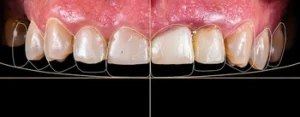 Erosion is caused by acid exposure. Acidic food and drinks, including soft drinks, citrus, and wine, soften enamel over time. Acid can also come from internal sources such as reflux.
Attrition is the wear caused by teeth grinding against each other. Teeth grinding during sleep (bruxism) or clenching during the day are the most common causes, producing a characteristic flat surface on the biting edges.
Abrasion occurs when an external force wears down the tooth surface. Aggressive brushing with a hard-bristled toothbrush is the most common cause, with the gum line area particularly vulnerable.
Many patients present with a mix of all three. A dentist can identify which type is driving the wear, which guides the treatment plan.
What Are the Common Signs of Worn Teeth?
Changes to appearance
One of the first signs patients notice is that their teeth look shorter, flatter, or more translucent at the edges. As enamel thins, the yellow dentine underneath becomes more visible. The chewing surfaces may develop a flat surface where the enamel has worn through.
Tooth sensitivity
Worn enamel exposes the dentine layer, making teeth more reactive to hot, cold, sweet, or acidic foods and drinks. Gradual tooth sensitivity in the absence of cavities can be one of the first signs of wear.
Jaw pain and headaches
Patients with teeth grinding or clenching often report jaw pain, facial muscle discomfort, or headaches on waking. These symptoms are worth raising at a dental appointment, as they may indicate the bite is being affected.
Changes to the bite
As teeth wear down, how upper and lower teeth meet can shift. Patients sometimes notice their bite feels different or that chewing is less comfortable than it used to be.
What Happens If Worn Teeth Are Left Untreated?
 Tooth wear is progressive. Left untreated, further wear tends to accelerate because worn enamel and dentine are softer and less resistant to acid and abrasion than the original surface.
Further damage can include deeper sensitivity, increased risk of chipping, and, in cases of severe wear, exposure of the pulp inside the tooth. A 2025 systematic review found the global prevalence of tooth wear to be 40.8%, noting that public awareness remains low. Early identification is considered important in preventing progression.
How Do Dentists Treat Worn Teeth?
Treatment for worn teeth depends on the severity of wear, the type of wear present, and what is driving it. A dentist will usually address both the cause and the existing damage as part of a treatment plan.
Protecting against further wear
If teeth grinding or clenching is identified, night guards are a common first step. A custom-fitted night guard cushions teeth against the force of grinding and slows further wear on the worn surfaces. For dental erosion (also called acid erosion), reducing soft drinks and acidic foods and drinks, particularly at night, can meaningfully slow progression.
Repairing existing wear
For mild to moderate wear, a tooth-coloured material (composite resin) can rebuild worn surfaces through dental bonding, preserving remaining tooth structure. Crowns are among the common treatments for more severe wear where significant enamel and tooth structure have been lost. In complex cases, a combination of dental treatments may be recommended.
Preventing Further Wear
Prevention focuses on reducing the factors that accelerate tooth wear and maintaining good oral health.
Practical steps that can help slow further wear include:
- Using a soft-bristled toothbrush and fluoride toothpaste, and avoiding an aggressive brushing technique
- Limiting acidic food and drinks, particularly between meals and before sleep
- Drinking water after acidic foods or drinks to dilute residual acid
- Wearing a night guard if teeth grinding or clenching is a factor
- Attending regular dental checkups so wear can be monitored and caught early
Stress and teeth grinding are linked, and managing stress levels alongside dental treatment can support better long-term outcomes for patients whose wear is driven by bruxism.
Getting Your Teeth Assessed at Boutique Dental Care
 If you have noticed changes to your teeth or experience sensitivity, jaw pain, or morning headaches, it is worth having your teeth assessed.
The team at Boutique Dental Care offers general dentistry services in Chatswood, including checkups, night guards, and restorative dental treatments for worn teeth. Book an appointment today or call us on (02) 9054 5281 to discuss your situation. Individual outcomes from treatment vary depending on the extent of wear, contributing factors, and ongoing home care.
Frequently Asked Questions
Does tooth wear ever stop progressing on its own?
No. Tooth wear does not reverse or pause without intervention. Once enamel is lost, it cannot grow back, and the worn surface becomes more vulnerable to further damage over time. Addressing the cause, whether that is grinding, acid exposure, or brushing technique, is what slows the rate of progression. A dentist can assess how quickly wear is advancing and recommend the appropriate steps to protect remaining tooth structure.
At what age does tooth wear typically become a problem?
Tooth wear increases with age and is considered a normal part of ageing to a degree. However, accelerated wear can occur at any age when contributing factors such as teeth grinding, frequent acid exposure from soft drinks or acidic foods, or aggressive brushing are present.
How do I know if I am grinding my teeth at night?
Many people who grind their teeth during sleep are not aware of it, as it happens outside of waking hours. Common signs include waking with jaw pain, facial muscle discomfort or headaches, a partner reporting grinding sounds during the night, or a dentist noticing wear patterns consistent with attrition at a checkup. A dentist can identify wear patterns on the chewing surfaces that suggest grinding is occurring.
References
https://doi.org/10.3390/dj11120274
https://my.clevelandclinic.org/health/diseases/tooth-erosion