

Losing one or more teeth can change how your mouth feels during everyday moments like eating, speaking, or resting your jaw. Small changes in balance or chewing can become noticeable long before you expect them to. If you have been asking yourself, “What is a partial denture?”, it often comes from wanting clearer guidance rather than assumptions.
Understanding how tooth replacement works can make decisions feel calmer and more measured. This post explains how partial dentures work, the different designs available, and how they fit around the teeth you still have.
What Is A Partial Denture
A partial denture is a removable dental appliance used for replacing missing teeth when some natural teeth are still present. It fits around your existing teeth to fill the gap left by tooth loss, using replacement teeth designed to sit alongside what remains. Unlike full dentures, partial dentures rely on nearby structures for support rather than replacing an entire arch.
Types Of Partial Dentures And How They Differ
Once you understand what a partial denture is, it helps to look at the types of partial dentures available and how each design behaves in everyday use.
 Removable Designs Supported By Remaining Teeth
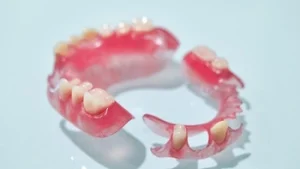
Removable partial dentures are commonly used when remaining teeth can help hold the denture in place. Small metal clasps may rest around nearby teeth to provide grip, and some denture wearers use a light denture adhesive for extra confidence. Because these dentures are removable, you take them out for cleaning and rest. At first, they can feel loose until your mouth adjusts and muscle control improves. Fit often improves with time and careful follow-up.
Framework Styles That Influence Stability And Feel
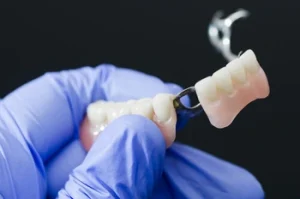
The internal structure of a denture affects how it feels when you speak or eat. Some designs use a metal framework, which keeps the denture thin while adding strength. These are often referred to as metal dentures. Others are made entirely from acrylic dentures, shaped using acrylic resin for a lighter feel. In some cases, acrylic clasps are used instead of metal for a softer appearance. Each framework choice changes weight, flexibility, and how the denture responds to pressure.
Flexible Materials Used In Specific Situations
In certain mouths, flexible partial dentures are considered because they bend slightly with movement. These flexible dentures, sometimes called flexible partials, sit closer to the gum line and may feel more adaptable during speech. They are often chosen when comfort or aesthetics are a priority. However, flexibility can also change how force spreads across the denture, which is why suitability depends on your bite and oral structure.
The Process Involved In Getting A Partial Denture
Understanding the steps involved can help you feel more prepared as your denture is planned and fitted.
Initial Assessment Of Teeth And Bite Balance
Your first visit usually focuses on understanding how your teeth meet and how your bite functions. The dentist looks at spacing, wear, and how pressure is shared across the mouth. This stage is part of your overall dental treatment, helping shape a clear treatment plan. Attention is given to whether the denture will sit along the upper or lower jaw, as this influences stability. These early findings guide every decision that follows.
Impressions And Design Planning Stages
Once planning begins, impressions are taken to capture the contours of your mouth. These records guide the process of making dentures that fit comfortably alongside your teeth. The design includes artificial teeth selected to match size and position rather than stand out. At this stage, details such as spacing and bite alignment are refined before moving toward new dentures. Accuracy here helps reduce later adjustments.
Try-In Appointments Guiding Fit And Comfort
Before final placement, trial fittings allow you to see how the denture sits when you talk and smile. Positioning around the front teeth is checked carefully, as small changes here can feel noticeable. The balance between the lower teeth and the rest of the bite is reviewed, especially when the denture interacts with both upper and lower surfaces. These visits allow changes to be made while adjustments are still simple.
Placement And Early Adjustment Period
When the denture is fitted, your mouth may need time to adapt. Wearing dentures can feel unfamiliar at first, particularly as your mouth learns new movement patterns. Speaking and chewing may require conscious effort early on. As confidence builds, many notice their smile feels more natural again. Follow-up visits help refine the fit as tissues settle.
Final Bite Review Before Everyday Use
Before you begin wearing the denture for a full day, a final bite review helps fine-tune how it meets your teeth. This appointment focuses on contact points when you close, speak, and swallow, rather than appearance. Small adjustments at this stage can reduce pressure spots that only show up during longer wear. You may be asked to move your jaw in different ways so that balance can be checked in real time. This step helps the denture feel more predictable once it becomes part of daily routines.
Benefits A Partial Denture Can Offer In Daily Life
Once a partial denture is in place and adjustments settle, everyday tasks often begin to feel more manageable again.
 Support For Chewing Balance And Control
When multiple teeth are missing, chewing can feel uneven or tiring. A partial denture helps spread pressure more evenly across the bite, so you are not relying on one side alone. Early on, many start with soft food while confidence builds. Over time, chewing firmer textures and even hard foods can feel more controlled as coordination improves. This balance reduces strain during meals.
Spacing Maintained Between Remaining Teeth
Gaps can encourage nearby teeth to drift or tilt over time. A partial denture fills that space and helps keep other teeth from shifting into areas where they do not belong. This support can help maintain bite alignment and reduce uneven contact. Keeping spacing stable also makes cleaning easier. These changes often happen quietly, without drawing attention day to day.
Speech Clarity Supported By Tooth Replacement
Tooth loss can affect how the tongue and lips shape certain sounds. Reintroducing tooth structure gives the mouth something familiar to work against. Speech may feel deliberate at first, then become more fluid as habits return. Small improvements often appear gradually rather than all at once. Comfort tends to grow with regular use.
Facial Structure Supported During Rest
Replacing missing teeth can help support the lower face when the mouth is relaxed. A partial denture helps maintain spacing across the full arch, which can influence how the jaw rests. This support is subtle and functional rather than cosmetic. The goal is comfort during everyday moments, not visual change.
Adaptability As Oral Needs Change
A partial denture can be adjusted if circumstances shift over time. It may be modified to replace additional teeth if needed, or reviewed alongside options such as a fixed partial denture, fixed bridge, or even full dentures if conditions change. This flexibility allows care to adapt rather than start again. Decisions are often guided by comfort, function, and long-term planning.
Improved Stability During Everyday Jaw Movement
A partial denture can help improve stability when your jaw moves during talking, swallowing, or chewing. Without support, the lower jaw often compensates in subtle ways that can feel tiring over time. By filling gaps, the denture helps guide movement along a more predictable path. This can reduce moments where the bite feels uncertain or uneven. Many notice this benefit most during longer conversations or meals, when control matters more than force.
Caring For A Partial Denture Over Time
Ongoing care plays a quiet but important role in how comfortable and reliable your partial denture feels as months and years pass.
Daily Cleaning Routines Protecting Materials
Daily cleaning supports proper care of your partial denture and helps keep the surfaces comfortable against the gums. Gentle brushing removes food residue before it hardens or causes irritation. Avoid harsh products that can roughen the denture surface, as texture changes often lead to discomfort later. Cleaning is not about scrubbing harder, but about consistency and attention. A clean denture also helps maintain oral health, which supports long-term comfort.
Handling Habits That Reduce Wear
How you handle your denture outside the mouth matters more than many realise. Denture wearers often notice that dropping or bending the appliance can affect fit even if damage is not obvious. Removing dentures over a soft surface reduces the risk of impact damage. Storing them safely when not in use also helps maintain shape. Small habits like these reduce unnecessary wear over time.
Monitoring Fit As The Mouth Changes
Your mouth is not static, and fit can change as tissues adapt. Subtle shifts in the lower jaw or surrounding structures may affect how the denture sits. You might notice pressure in areas that once felt neutral. Paying attention to these changes allows adjustments to be made before soreness develops. Early awareness often prevents longer-term discomfort.
Oral Hygiene Alongside Denture Use
Wearing a partial denture does not replace the need for ongoing mouth care. Keeping remaining teeth and gums clean reduces the risk of gum disease, which can influence denture stability. Dry mouth can also affect comfort by increasing friction between the denture and tissues. Staying aware of these changes helps protect both your denture and your mouth. Hygiene supports comfort, not just cleanliness.
When Discomfort Signals Review Needs
Discomfort is often a signal rather than a setback. Soreness that returns repeatedly or shifts location may suggest pressure changes rather than a single sore spot. Areas near the lower jaw can be especially sensitive as movement patterns change. Ignoring these signs often leads to larger issues later. Addressing them early keeps you more comfortable.
Regular Reviews Supporting Ongoing Comfort
Routine reviews allow small changes to be addressed calmly and methodically. Regular check-ups help track fit, wear, and tissue response over time. These visits are not only for adjustments but also for reassurance. Many patients find that periodic reviews make denture wear feel more predictable. Ongoing guidance supports confidence as routines settle.
Factors That Affect The Cost Of A Partial Denture
Cost can vary widely, and understanding what influences it helps you plan with fewer surprises.
Number Of Teeth Being Replaced
One of the first factors influencing partial dentures cost is how many missing teeth need to be addressed. Replacing a single space differs from restoring multiple teeth, as design and support requirements change. The position of each space also matters, especially when gaps affect balance across the bite. More replacement areas usually mean a more complex design. Complexity tends to influence time, materials, and overall planning.
Materials Used In The Denture Framework
Material choice plays a significant role in comfort and longevity. Options such as metal framework designs behave differently from fully acrylic bases. Each material responds to pressure in its own way and affects thickness and flexibility. These differences influence fabrication steps and laboratory involvement. Material selection is guided by function rather than appearance alone.
Design Complexity And Customisation Level
Some partial dentures interact closely with nearby restorations. When dental crowns are involved, the design must account for how the denture engages around them. In certain cases, planning may include two crowns to improve support or alignment. These design choices require additional coordination and precision. Greater customisation usually means more detailed work behind the scenes.
Condition Of Remaining Teeth And Gums
The health of the mouth influences how straightforward the process is. Healthy gums and stable existing teeth often allow for simpler designs. When inflammation or movement is present, planning becomes more involved. Addressing these concerns first can change both timing and scope. Mouth condition affects how the denture is supported over time.
Laboratory Involvement And Fabrication Time
Behind every partial denture is detailed laboratory work. Fabrication involves shaping components to fit your bite, spacing, and contours accurately. More intricate designs take longer to complete and review. This stage often includes multiple checks before delivery. Time and expertise at this level directly affect overall cost.
Follow-Up Visits And Adjustments
After placement, follow-up visits allow the denture to be refined as your mouth adapts. These appointments help address pressure points and fit changes early. Adjustments are a normal part of settling into denture wear. The number of visits needed varies from one situation to another. Ongoing care forms part of the overall cost picture.
Long-Term Maintenance Considerations
Over time, changes in the mouth may require relines or repairs. Wear patterns, tissue changes, or new gaps can influence how the denture performs. In some situations, past or planned dental implants may also affect long-term planning, even if they are not part of the current design. Thinking ahead helps balance upfront decisions with future needs.
Is A Partial Denture Meant To Be Worn All Day
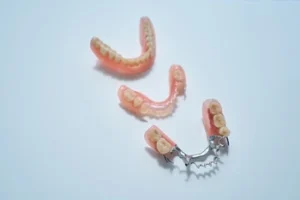 Wearing a partial denture often becomes part of your daily rhythm, but that does not always mean it stays in place from morning to night without pause. During the day, wearing the denture supports balance when you eat, speak, and move your jaw naturally. Keeping it in while you are active allows your mouth to work as intended and helps you adjust more smoothly to its presence.
That said, your mouth also benefits from regular breaks. Removing the denture at night is commonly advised so the tissues can rest without constant contact or pressure. This downtime helps reduce irritation and allows you to notice any areas that feel tender or rubbed. A short break can make a noticeable difference to comfort the following day.
Early on, you may feel more aware of the denture and choose to remove it briefly during quiet moments at home. That awareness usually fades as coordination improves and the denture feels more familiar. Over time, many find that daytime wear feels routine rather than deliberate.
There are situations where wear habits are adjusted. If soreness develops or the denture feels tight after a long day, taking it out earlier can help settle tissues. Guidance may vary depending on fit, design, and how your mouth responds, which is why personalised advice matters.
Understanding when to wear your partial denture and when to let your mouth rest helps you feel more in control of comfort and long-term use.
Talk With Us About Your Partial Denture Plan
If you are considering a partial denture, having a clear conversation can make the next step feel more settled and informed. A visit to our clinic allows us to look closely at how your teeth, bite, and daily habits come together. We focus on how a partial denture would function in real use, not just how it appears on paper. This approach helps align treatment with comfort, fit, and long-term wear. If questions have been lingering or adjustments feel overdue, we are here to guide you through options that suit your mouth and routine. To arrange a visit or speak with us directly, contact our centre on (02) 9054 5281.
References
https://www.dentalhealth.org/dentures
https://www.webmd.com/oral-health/dental-health-dentures