

Choosing a mouthguard often feels simple until you realise how different each option can feel once it is in your mouth. If you have ever wondered why some designs stay put while others shift or feel bulky, you are not alone. This post walks you through the types of mouthguards in a clear, practical way, without overcomplicating the decision.
The Different Types Of Mouthguards And Where Each Fits
Not every mouthguard is designed for the same purpose, and understanding the differences helps you recognise why some feel supportive while others fall short.
 Stock Mouthguards Designed For Basic Protection
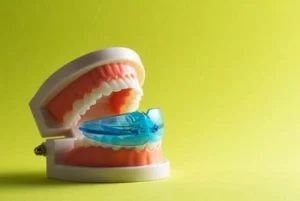 Stock Mouthguards Designed For Basic Protection
Stock mouthguards are pre-formed and ready to wear straight out of the packet, which often makes them the easiest option to access. Because they are made to suit a broad range of mouths, they usually offer basic protection rather than a tailored fit. You may notice they feel bulky or feel uncomfortable, especially when speaking or breathing. Since they are not shaped around your teeth, they tend to sit loosely and do not deliver the same level of stability during activity. Many offer the same level of coverage regardless of mouth shape, which limits how well they stay in place. This design can make them suitable for short-term use but less practical for regular wear.
Boil And Bite Mouthguards Shaped Using Hot Water
Boil-and-bite mouthguards allow you to soften the material using hot water, then bite down to shape it around your teeth. This approach gives more adaptability than a stock option and can improve comfort if moulded carefully. The process relies on how evenly pressure is applied while the material cools, which means the final shape can vary. If the moulding is rushed or uneven, the mouth guard may still shift during use. These mouthguards can feel more secure than pre-formed designs, though they may still lose shape over time. They are often chosen when you want something adjustable without moving to a fully customised option.
Custom Mouthguards Made For Precise Fit And Stability
Custom mouthguards are created from impressions or digital scans taken by a dentist, allowing the shape to reflect how your teeth and bite actually sit. A custom mouth guard is designed to stay stable during movement, speech, and breathing. This tailored approach often leads to a custom-fitted mouthguard that feels more natural to wear over longer periods. Some are also described as a custom-made mouthguard or custom-fitted design, depending on materials and thickness. Because dental professionals based in a clinical setting oversee the process, the fit can be refined for comfort and function. This option suits ongoing use where consistency matters.
Choosing The Right Mouthguard For Your Teeth And Jaw
Once you understand the options available, the next step is working out which style suits how you use it and how your bite behaves day to day.
Protection Needs Vary Between Sports And Daily Habits
If you play sports that involve speed, contact, or sudden impact, the level of protection you need changes. Contact sports carry a higher risk of injury, especially when falls or collisions are unpredictable. Even in non-contact sports, accidental knocks can happen when you least expect them. A mouthguard designed to protect your teeth should match the way force is likely to reach your jaw. The right choice helps reduce risk without getting in the way of movement. Thinking about how often you play sports and in what environment makes this decision clearer.
 Upper And Lower Teeth Influence Fit And Coverage
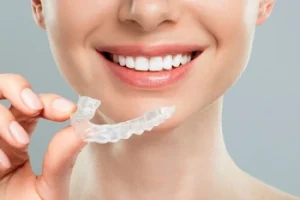 Upper And Lower Teeth Influence Fit And Coverage
The way your upper and lower teeth meet affects how a mouthguard sits once it is in place. Some designs focus mainly on the upper teeth, while others consider how the lower teeth move during activity. If your lower jaw shifts forward or side to side, coverage needs to allow for that motion. A design that accounts for upper and lower teeth together often feels more stable when you close your bite. Paying attention to how your lower jaw moves helps avoid pressure points. Fit becomes more predictable when these details are considered early.
Jaw Pressure From Clenching Or Grinding Patterns
Habitual jaw clenching can place ongoing pressure on your bite, even when you are not aware of it. Teeth grinding changes how force travels through your jaw. Over time, this pressure may contribute to jaw pain or tension when you wake or concentrate. A mouthguard chosen with these patterns in mind can help manage how force is absorbed. The goal is not to stop movement, but to reduce strain. Noticing when your jaw tightens gives useful clues about what support feels right.
Comfort And Wear Affect Long-Term Use
A mouthguard only helps if you are willing to wear it consistently. If it crowds your mouth or rubs against your gums, it is less likely to stay in place. Comfort also depends on how it interacts with your teeth and the surrounding oral structures during speech and breathing. A poor fit can lead to distraction rather than support. Small discomforts tend to stand out more during longer sessions. Choosing a design that feels natural makes regular wear far easier.
Caring For Your Mouthguard And Knowing When It Needs Review
Once you have chosen a mouthguard, how you care for it and respond to changes can influence how well it continues to support your oral health.
Daily Cleaning Helps Maintain Oral Health Balance
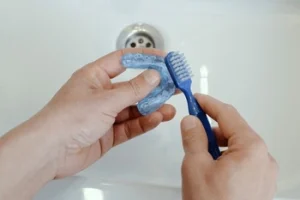 Daily Cleaning Helps Maintain Oral Health Balance
A mouthguard sits close to teeth and soft tissue, so regular cleaning matters more than it may seem. Rinsing after each use removes residue before it has time to settle. Gentle brushing with mild soap keeps surfaces fresh without damaging the material. Allowing it to dry fully before storage also helps prevent unwanted buildup. These small habits support oral health and make wearing it feel more comfortable over time.
Material Wear Can Reduce Shock Absorption Over Time
With repeated use, even well-made mouthguards can show signs of change. Areas that once absorbed impact may thin, reducing shock absorption when pressure is applied. This can contribute to tooth wear if force is no longer distributed evenly. In some cases, worn areas increase the chance of broken teeth during unexpected contact. Ongoing use in this state may raise the risk of dental injury. Noticing surface changes early helps you decide when replacement is sensible.
Night Use For Grinding And Sleep-Related Support
Some mouthguards are designed for overnight wear, particularly night guards used to manage jaw tension during sleep. Occlusal splints and dental splints are shaped to guide bite contact when unconscious habits are more likely to occur. These designs are sometimes discussed alongside sleep apnoea when airway support or jaw positioning is being assessed. Fit and material choice become especially important at night, when wear is prolonged. Comfort plays a large role in whether overnight use feels manageable.
Changes In Fit Can Affect Effective Protection
A mouthguard that once felt secure may begin to loosen as your bite shifts or materials age. When fit changes, effective protection can drop without being obvious at first. A design that no longer sits flush may struggle to deliver optimal protection during impact or pressure. Reviewing fit helps you understand the distinct advantages of replacing rather than adjusting. Choosing the right mouthguard again can restore confidence during use.
Let Us Help You Choose Protection That Truly Fits
Choosing the right mouthguard is not just about ticking a box. It is about how it feels, how it fits, and how confidently you can wear it in real situations. If something feels bulky, unstable, or unclear, a proper review can make that decision easier. Visiting our clinic allows us to assess your teeth, bite, and habits so guidance feels relevant rather than generic. We take the time to explain options clearly and answer questions without pressure. If you would like support for choosing or reviewing a mouthguard that suits your needs, please contact us on (02) 9054 5281.
References
https://www.colgate.com/en-in/oral-health/selecting-dental-products/mouth-guards-everything-you-need-to-know
https://pmc.ncbi.nlm.nih.gov/articles/PMC11810891/