

After a dental implant, habits you barely think about can start to feel more loaded than usual. Light smoking often comes up early, especially when healing feels fine on the surface and discomfort is minimal. The mouth can look settled while deeper tissues are still doing important work. Even small exposures during this window can influence how that healing unfolds. That is why questions around light smoking after dental implant treatment matter more than they first appear. Here, we walk through how smoking interacts with early recovery and what timing really means for implant stability.
Why Even Light Smoking Changes Implant Healing
Healing after an implant depends on circulation, tissue response, and stability, all of which smoking influences in ways that are not always easy to feel straight away.
Reduced Blood Supply Around The Implant Site
You may not notice it day to day, but smoking reduces blood flow by narrowing blood vessels. Nicotine and carbon monoxide from cigarette smoking limit oxygen delivery, which matters during the initial healing phase. When circulation drops, the implant site receives fewer resources for repair. This shift affects how surrounding tissues respond, even if the discomfort feels mild.
 Bone Integration Becomes Less Predictable
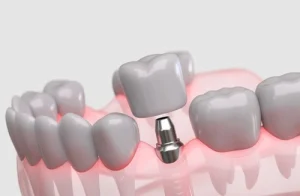
Successful implants rely on bone tissue adapting closely around the post. Light smoking can interfere with bone healing, slowing the bonding process that supports successful implant integration. This does not mean failure is guaranteed, but it does raise the risk of implant failure. The change is gradual, which is why it can be easy to underestimate early on.
Gum Tissue Reacts Differently To Smoke Exposure
Your gum tissues are sensitive to smoke contact. Reduced circulation can slow tissue regeneration, making soft tissues less responsive during recovery. Over time, this can affect implant stability, particularly if inflammation lingers. These changes often happen quietly, without sharp pain.
Why “Light” Smoking Is Not A Separate Category Biologically
From a healing perspective, the body does not label smoking as heavy or light. Even occasional exposure can reduce blood flow and interrupt blood clot formation, which is essential right after implant placement. This is why smoking and dental implants are often discussed together, regardless of frequency.
What Happens If You Smoke During The Early Healing Window
Timing matters, especially during the first weeks when your body is working hard to stabilise the implant.
The First Days Set The Tone For Stability
After dental implant surgery, the surgical site relies on stable blood clots to protect deeper structures. Smoking too soon can disturb this process, leading to a slower healing process. You may not feel anything wrong, yet the foundation may be less secure. This early disruption can influence implant success rates later.
Increased Infection Risk Without Obvious Early Signs
Smoking increases the risk of infection in the oral cavity by affecting the immune response. During the healing period, bacteria can settle more easily around the implant. This raises the risk of complications, especially if oral hygiene slips. Infections do not always cause immediate pain, which is why they can be missed.
Delayed Healing Can Mask Problems Until Later
A delayed healing process may look like normal recovery at first. Over time, however, reduced bone loss control or lingering inflammation can appear. In some cases, implants fail months later, long after the surgery feels finished. This is how implant failure can seem unexpected.
Practical Decisions If You Are Struggling To Stop Completely
If quitting feels difficult, thoughtful adjustments can still support recovery without pretending habits do not exist.
Pausing During The Most Sensitive Healing Phase
The initial healing window is when smoking has the strongest impact. Even short breaks during this stage can support optimal healing. Many find this pause easier than full cessation, especially when framed as temporary protection for the implant. This matters most during light smoking after dental implant treatment.
Avoiding Smoke Contact With The Surgical Area
Smoke exposure directly over the implant site irritates surrounding tissues. Simple changes, such as avoiding drawing smoke across the mouth, reduce irritation. While not a complete solution, it can lower the increased risk linked to direct contact.
 Oral Hygiene Adjustments That Matter More During Recovery
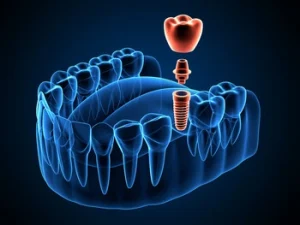
Careful cleaning supports better oral health while tissues settle. Gentle brushing helps protect natural teeth and the implant area alike. This is particularly important if you have a history of gum disease or periodontal disease. Clean surfaces support proper healing without overworking sensitive areas.
When To Speak Up Rather Than Push Through
If something feels off, raising it early helps. Dental professionals can assess whether healing matches expectations after dental implant placement. Reporting changes does not mean something has gone wrong. It often prevents small issues from becoming larger ones.
How Your Dentist Monitors Healing In Smokers
Follow-up visits and regular dental check-ups allow your dentist to track implant success and tissue response. Monitoring looks at bone grafts, soft tissue health, and overall stability. This oversight supports implant treatment decisions tailored to you, especially during light smoking after dental implant treatment.
How Smoking Affects Long-Term Implant Outcomes
Beyond early healing, smoking can influence how implants perform over time.
Ongoing Inflammation Around The Implant
Smoking can maintain low-level inflammation around the implant. Over months, this may contribute to bone loss and reduced support. This is one reason dental implant failure can occur later rather than immediately.
Impact On Overall Oral Health
Smoking affects overall oral health, not just implants. It increases susceptibility to gum disease and complicates maintenance around restorations. Poor gum health can undermine even a well-placed implant.
Differences Seen Between Smokers And Non-Smokers
Studies consistently show lower implant success rates in smokers compared with non-smokers. The difference relates to healing quality rather than surgical skill. Understanding this helps frame expectations realistically.
Supporting Healing If You Are Reducing Or Quitting
Positive steps still matter, even if change is gradual.
Using Nicotine Alternatives Thoughtfully
Some consider nicotine replacement therapy during recovery. Options like nicotine patches avoid smoke exposure but still deliver nicotine. Discussing this with your dentist helps weigh the benefits and limits without assumptions.
Nutrition And Tissue Recovery
A healthy diet supports circulation and repair. Nutrients help soft tissues and bone respond more effectively. Food choices may feel secondary, yet they influence bone healing quietly.
Medication And Follow-Up Care
Taking prescribed medications as directed supports infection control and comfort. Skipping doses can increase the risk of complications. Medication works fine alongside good daily care.
Long-term Benefits Of Stopping
Smoking cessation supports better oral health, not just implants. Over time, quitting improves circulation, tissue response, and stability. Many find that this benefit extends beyond dental care.
Let Us Help You Protect Your Implant
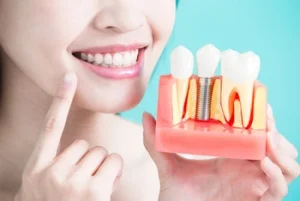 Implants replace tooth loss with a replacement tooth designed to function like your own. For this to succeed, the body needs time and support. Smoking challenges this balance, even at low levels. Light smoking still influences blood flow, healing, and stability in ways you may not feel immediately. Understanding how habits interact with recovery helps you make informed choices during light smoking after a dental implant procedure.
Dental implants can be appropriate when healing is respected and risks are managed. Whether you are receiving dental implants now or planning ahead, clear guidance helps protect your investment. Open conversations with our dentist support implant success and long-term comfort. To discuss implant care or book an appointment, contact our dental practice on (02) 9054 5281.
Note: Any surgical or invasive procedure carries risks. Before proceeding, you should seek a second opinion from an appropriately qualified health practitioner.
References
https://www.nature.com/articles/s41432-021-0155-5
https://www.mdpi.com/2304-6767/12/10/311