

Jaw and ear pain after root canal treatment usually comes from the tissues around the treated tooth, not from the ear itself. The ache can sit along the jawline, just in front of the ear, or across the jaw area on the treated side.
A root canal procedure saves damaged teeth by clearing infected pulp from the tooth root and sealing the space. The tissues around that tooth root need time to settle, and mild pain is common. What matters is the direction things are heading, because discomfort that fades each day means something different to pain that keeps building. This guide covers why the jaw and ear get involved, what normal healing feels like, and when ongoing jaw joint discomfort needs assessing.
Quick Overview
- Jaw and ear pain after a root canal is usually referred pain from inflamed tissues around the tooth root, not a problem inside the ear.
- Holding your mouth open through a long appointment works the jaw muscles and jaw joint hard, leaving them sore.
- Mild throbbing, mild ear pain and tenderness when biting fit normal healing, and they should ease rather than build.
- Severe pain, facial swelling, fever or worsening pain after the first few days can signal infection and needs professional treatment.
Below, we cover the causes, the healing pattern, the key symptoms, and what helps at home.
Why do jaw and ear pain happen after a root canal?
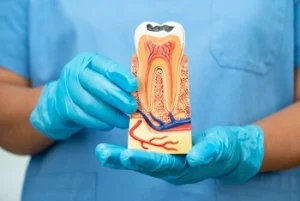 Root canal pain in the days after treatment comes from the tissues around the tip of the tooth root, which are inflamed while they recover. Those tissues sit close to the jaw joint and to the muscles that run up towards the ear, so the ache is often felt as ear pain or jaw pain rather than toothache.
This is referred pain, and it explains why a treated tooth can feel settled while the jaw area aches. Inflammation in the tissues around the root tip is the main source of pain after root canal treatment, and pain is reported most often after work on lower molars, which sit closest to the jaw joint.
A badly infected tooth or a cracked tooth leaves the surrounding tissues sensitive before treatment starts. Because the procedure is done to relieve pain caused by that tooth infection, some tenderness afterwards is left over from before rather than something new.
What does normal healing feel like?
Normal healing feels like mild discomfort that shrinks a little every day. Tenderness when you bite on the treated side, mild throbbing that eases with simple pain relief, and mild ear pain or jaw stiffness all fit the usual pattern. These symptoms occur early, often as the anaesthetic wears off, then taper away.
Most patients notice the sharpest discomfort in the first days after treatment. If treatment runs across two visits, a temporary filling holds the tooth in between, and some sensitivity is expected. Dental pain that is settling, even slowly, suggests you are on track.
How your jaw muscles and jaw joint get involved
Root canal therapy takes time, and keeping your mouth open for a long stretch asks a lot of the jaw muscles. The muscles that close your jaw run from the lower jaw up towards the temple, and the jaw joint itself sits directly in front of the ear canal. Strain there is one reason your ear can ache while the tooth heals well.
The jaw joint can feel sore too, particularly after several long appointments or if you already had jaw joint symptoms. Symptoms can radiate to nearby structures when this joint is irritated, which is why the ache can feel as though it sits deep inside the ear. This soreness eases as your jaw returns to normal movement.
When does pain after a root canal need attention?
Get in touch if the pain is severe, if it is still worsening after the first few days, or if it comes with facial swelling, fever, a bad taste or other symptoms such as trouble opening your mouth. Persistent or worsening pain points to something other than normal healing.
Infection after root canal treatment is the first thing we check. Bacteria left in a canal, a canal that was not found, or a leaking temporary filling can let infection continue quietly. Untreated infection can spread into the surrounding bone and form an abscess. Symptoms of jaw infection after root canal treatment include swelling that builds rather than fades, tenderness along the jaw, and feeling generally unwell.
Bite adjustment issues are the other common cause. If a temporary filling or new crown sits a fraction high, the treated tooth takes extra force every time you close. A short follow-up visit to reshape that surface usually resolves it. Certain symptoms, including swelling that affects swallowing or breathing, need urgent care, so call your dentist immediately.
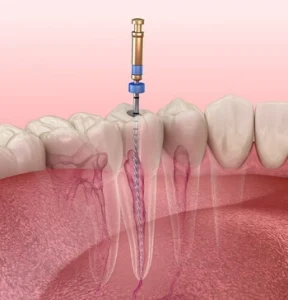 What helps while the area settles
Early on, the aim is to take load off the treated side. Soft foods help, and it pays to avoid chewing on that side until the final restoration is fitted. Leave hard, crunchy and chewy items for later.
Take any pain relief as directed, and keep brushing and flossing gently around the tooth. For a sore jaw, a warm pack over the jaw muscles, smaller mouthfuls and going easy on wide yawning all reduce strain. Keep your follow-up appointments too, because a treated tooth is not finished until the permanent filling or crown is in place, and that restoration supports your long-term oral health. Follow-up care also lets us check that the tooth is settling.
Talk to us about jaw and ear pain after a root canal
Jaw and ear pain that lingers after dental work is worth a proper look, because a high bite, an irritated jaw joint and an unresolved infection feel similar from the outside yet are managed differently. At Boutique Dental Care, we review the treated tooth, take an X-ray where one is needed, check how your teeth meet together, and examine the jaw joint and jaw muscles on the treated side. Our dentists then talk through what they find and set out your treatment options, at a pace that suits you. If your symptoms are not easing, please call us on (02) 9054 5281.
Frequently Asked Questions
Could ear pain after a root canal be coming from the ear itself?
It is possible. Pain from the ear itself often brings muffled hearing, a blocked sensation or discharge, and it does not change when you chew. Pain referred from a treated tooth shifts with biting or pressure on that side. Describe what you notice when you call, because the pattern tells us where to look first.
Is it normal for jaw pain to start a week or two after a root canal?
New pain that starts after a settled stretch is worth a review rather than a wait, because something has changed since your last visit. Note when it started, whether it is constant or only on biting, and whether hot or cold sets it off. Those details, with an X-ray, usually find the cause.
Can the teeth next to a root canal treated tooth feel sore?
Yes. Neighbouring teeth can feel sore for a short period because they take extra chewing force while you favour one side. This settles as your chewing evens out. If one tooth stays sore or reacts strongly to cold, mention it at your follow-up visit so it can be tested.
Will having a crown fitted after a root canal change how my jaw feels?
It can, in both directions. A crown protects a treated tooth from cracking and restores an even biting surface, which takes strain off the jaw over time. Straight after fitting, the tooth often feels unfamiliar while you get used to the new shape. Tell us if the bite still feels uneven rather than waiting for it to wear in.
Could clenching at night keep jaw pain going after a root canal?
Clenching or grinding during sleep loads the jaw muscles and jaw joint for hours, which can keep jaw pain going long after the treated tooth has settled. Waking with a tight jaw or a headache is a useful clue. We can check your teeth for wear and discuss whether a night guard suits you.
Any surgical or invasive procedure carries risks. Before proceeding, you should seek a second opinion from an appropriately qualified health practitioner.
References
https://www.healthdirect.gov.au/root-canal-treatment
https://teeth.org.au/root-canal-treatment