
Is an implant-retained denture a suitable option for improving comfort and stability in your mouth over time? That answer depends on how your jaw responds to support, how your existing denture behaves during daily use, and what level of retention feels practical for you. In this blog post, we explore how implant-retained dentures are considered, what influences suitability, and how everyday function shapes long-term comfort.
What Are Implant-Retained Dentures
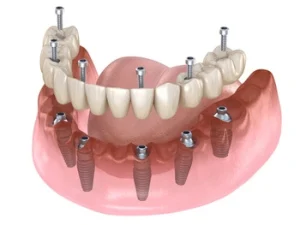
 Implant-retained dentures sit in a space between removable and fixed solutions, offering support through dental implants rather than relying on suction alone. Unlike traditional dentures or conventional dentures, they are anchored to the jaw, which helps reduce movement during use. These implant dentures, also known as implant-supported dentures, are designed to work alongside your natural teeth when present, or replace missing teeth across part or all of an arch. Because support comes from implants rather than pressure on the gums, the denture feels more controlled during daily use.
What Is Involved In Getting Implant-Retained Dentures
Understanding the steps involved helps you feel more prepared before committing to treatment.
It Starts With A Detailed Assessment And Planning Discussion
Your first consultation focuses on your mouth, bite, and personal goals. The dentist looks at the jaw bone, remaining tooth structure, and how your jaw moves when you chew. This stage of treatment planning helps decide whether you may choose implant-retained dentures and how many supports are required. The aim is to map a clear treatment process that suits function, not assumptions.
Implants Are Placed And Given Time To Settle
During the surgical procedure, implants are placed into the jawbone to act as anchors. This stage of implant placement is planned carefully, especially if bone loss is present. Some cases involve four dental implants, while others may need only two implants, depending on anatomy and load. After placement, healing allows the implants to integrate before the denture is connected.
The Denture Is Secured Onto The Implants
Once the implants are ready, abutments are attached so the denture can connect securely. These denture implants support a new denture that clips into place while remaining removable for cleaning. This step marks the transition from planning to everyday function. The focus here is a secure fit that feels controlled rather than tight.
Your Bite Is Reviewed Before Everyday Wear Begins
Before regular use, your bite is checked while speaking and chewing. Adjustments at this stage help balance pressure across the upper jaw or lower jaw, depending on placement. This review ensures the denture feels predictable before it becomes part of daily routines.
How Can Implant-Retained Dentures Change Day-To-Day Use
Once fitted, changes tend to show up in small, practical ways rather than distinct moments.
Stability Feels More Consistent When Eating And Speaking
Because support comes from implants, stability improves compared with wearing dentures that rely only on the gums. This helps when eating foods that involve more chewing and when speaking for longer periods. The denture feels more stable, especially across an entire arch.
Movement During Daily Activities Is Reduced
Implant-retained designs limit the sliding often associated with upper denture or lower denture wear. This can be noticeable when laughing, talking, or opening wide. Reduced movement helps the denture feel more natural during everyday activities.
Pressure Is Shared More Evenly Across The Jaw
Implants help distribute force through the bone rather than soft tissue alone. This can support comfort during meals involving multiple teeth and reduce sore spots along the gum surface. Balanced pressure also supports long-term oral health.
Confidence Builds Through Predictable Function
When the denture responds the same way each day, routines feel easier. Tasks like eating, speaking, and smiling begin to feel less deliberate. For some, this consistency is described as significant, not because of appearance, but because the function feels dependable again.
What Does Ongoing Care Look Like With Implant-Retained Dentures
Long-term comfort depends as much on habits as it does on design. 
- Cleaning focuses on dentures and attachment areas: Daily cleaning involves the denture itself and the areas around the attachments, helping protect the gums and reduce irritation.
- Night-time removal gives tissues a break: Although supported by implants, the denture is usually removed overnight, allowing the tissues to rest and making it easier to notice changes in fit or pressure.
- Gum and implant areas need regular attention: Implants still rely on healthy tissue, so watching for changes around the gums and keeping the mouth clean helps protect the denture foundation.
- Reviews help keep fit and function on track: Routine reviews allow small adjustments before discomfort develops and help maintain balance during everyday use.
- Discomfort signals when a check is needed: If soreness or looseness appears, booking an appointment early helps maintain comfort rather than pushing through irritation.
What Factors Influence The Cost Of Implant-Retained Dentures
Cost varies because no two mouths respond the same way.
- The number of implants shapes planning: Some cases involve retained dentures supported by fewer implants, while others use fixed dentures designed for long-term wear, with implant numbers influencing time, materials, and complexity.
- Bone condition can affect preparation needs: Bone quality influences whether additional preparation is required before implants are placed, which can affect both the procedure and the overall timeline.
- Denture design and materials add variation: Options range from clip-on designs to fixed solutions often described as permanent dentures, with each design affecting fabrication and long-term maintenance.
- Follow-up and maintenance form part of long-term costs: Ongoing reviews, adjustments, and care contribute to overall cost, so planning ahead helps align expectations with reality.
Let’s Work Together to Find the Right Fit for You
 Implant-retained dentures are one form of tooth replacement that can suit certain mouths when planned carefully. The right approach depends on your jaw, remaining structures, and how you want your teeth to function day to day. A tailored implant treatment begins with a clear conversation, not assumptions. Speaking with our dentist helps match treatment choices to comfort, stability, and long-term use in your mouth. If you would like to talk through whether this option suits your situation, contact our dental clinic on (02) 9054 5281 to arrange a visit and discuss your next steps with clarity.
Note: Any surgical or invasive procedure carries risks. Before proceeding, you should seek a second opinion from an appropriately qualified health practitioner.
References
https://www.mayoclinic.org/tests-procedures/dental-implant-surgery/about/pac-20384622
https://www.colgate.com/en-us/oral-health/dentures/implant-supported-denture