

It is common to pause when X-rays are suggested, especially if more than one is mentioned during a short period. Questions about safety, frequency, and necessity tend to surface quickly, particularly when you hear about monthly limits. Understanding how many dental X-rays are safe in a month starts with knowing why they are used, what they show, and how decisions are made around timing. When looked at more closely, dental imaging becomes less about counting scans and more about how each image supports your care and overall health.
How Dental X-Rays Are Used To Assess Your Oral Health
Dental X-rays are part of routine assessment, but their value lies in what they reveal beyond what the eye can see.
 What Dental X-Rays Help Reveal Beneath The Surface
 What Dental X-Rays Help Reveal Beneath The Surface
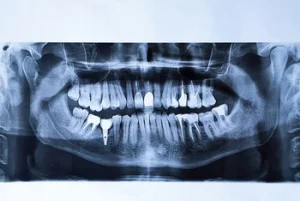
When you sit in the chair, much of what matters sits out of view. Dental X-rays, also called dental radiographs, allow your dentist to see through soft tissues and bone to check areas that cannot be examined directly. These images help identify tooth decay between teeth, early gum disease, and changes such as bone loss that may not cause symptoms yet. They also highlight oral infections and signs of dental disease developing quietly. This deeper look supports long-term oral health rather than reacting only when discomfort appears.
Why Visual Exams Alone Do Not Show Everything
A mirror and a probe provide useful information, but they do not show what is happening under the surface. Issues affecting the gum line, the roots, or the space between the upper and lower teeth can be missed without imaging. Dental imaging helps detect dental problems early, before they affect the entire mouth. This matters for protecting dental health, as early changes are often easier to manage than advanced ones. Relying on visuals alone can delay care when oral health issues are still manageable.
How Different X-Ray Types Serve Different Purposes
Not all X-rays are the same, and each type answers a different question. Bitewings focus on cavities and bone levels, while periapicals show the full length of a tooth and surrounding bone. Panoramic X-rays provide a broad view, capturing the jaw, sinuses, and other teeth in one image. They are especially helpful for checking wisdom teeth and spotting impacted teeth that may not have emerged. This variety allows imaging to be targeted, rather than excessive.
How Much Radiation Exposure Comes From Dental X-Rays
Once you know why X-rays are taken, the next concern is how much exposure they involve and whether that exposure adds up.
How Dental Radiation Compares With Everyday Background Exposure
Every day, you are exposed to small amounts of radiation from natural sources such as sunlight and the environment. The effective radiation dose from modern dental imaging is low when compared with everyday background exposure. In many cases, a single dental image contributes only a fraction of what you receive naturally over time.
What Influences The Amount Of Radiation You Receive
Several factors affect radiation exposure, including the type of image taken and the technology used. Digital X-rays require less radiation than older film systems. A focused X-ray beam limits exposure to the area being examined. Protective measures such as lead aprons and thyroid collars further reduce scatter to other parts of the body. These steps are standard practice and reflect current safety guidelines.
Why Modern Equipment Uses Lower Doses Than Before
Technology has changed significantly over time. Advances in sensors and software mean images can be captured with less radiation while maintaining clarity. This shift is one reason many discussions around modern dental care emphasise improved safety rather than focusing solely on exposure levels. Lower doses support patient safety without compromising diagnostic value.
How Frequency Varies Based On Dental Needs
There is no universal rule for how often X-rays should be taken. Some situations call for more frequent X-rays, while others require fewer images over longer intervals. Factors such as previous dental issues, risk of decay, and ongoing monitoring influence timing. Someone with stable oral conditions may need imaging less often than someone undergoing active care. This is why questions about how many dental X-rays are safe in a month cannot be answered with a single number.
Why Monthly Limits Are Not Fixed Numbers
You may hear concerns about many dental X-rays, multiple X-rays, or frequent X-rays, especially if several images are taken close together. What matters is not the calendar month but the reason behind each image. When imaging is clinically justified, the benefit outweighs the minimal risk. Avoiding unnecessary exposure is part of routine decision-making, but avoiding needed images can delay care.
Different imaging types also involve different exposure levels, which affect how decisions are made. The timing and purpose of each image matter more than counting how many are taken within a set period.
How Dentists Decide When X-Rays Are Appropriate For You
Decisions about imaging are guided by individual factors, not routine schedules alone.
Personal Oral History Plays A Key Role
 Your medical history and dental background shape imaging decisions. Past decay, previous restorations, or signs of dental disease influence how closely certain areas need to be monitored. This personalised approach helps align imaging with your overall health rather than using a fixed template. Previous treatment patterns can highlight areas where changes are more likely to occur beneath the surface. This allows imaging to focus on specific regions rather than covering the entire mouth without cause.
Age And Dental Development Influence Timing
Different life stages bring different considerations. Children and adolescents may need imaging to track development, while adults may require monitoring for bone changes or hidden decay. Special considerations apply to pregnant women, where imaging is limited to situations of clear clinical necessity and performed with appropriate shielding. Growth patterns, eruption timing, and jaw changes all affect when imaging adds useful information. These factors help determine whether observation alone is sufficient or whether images provide needed clarity.
Symptoms And Risk Factors Guide Imaging Choices
Pain, swelling, or changes in bite can prompt imaging to clarify the cause. X-rays assist with diagnosis or treatment planning, helping identify issues such as infections or fractures. They are also essential for identifying impacted teeth, especially wisdom teeth, which may affect surrounding structures if left unchecked. In these cases, imaging supports timely treatment planning guided by accurate visual detail.
Risk factors such as previous gum problems or repeated discomfort can also influence decisions. Imaging helps confirm whether symptoms reflect surface issues or bigger changes within bone or tooth structure.
Why Unnecessary Imaging Is Avoided
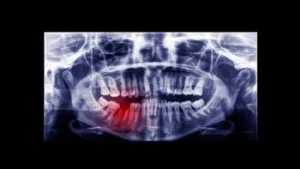 Dental teams are mindful of exposure and do not take images without reason. Dental professionals follow protocols within each dental practice to balance information gathering with safety. This approach mirrors standards used in medical offices, where imaging is ordered based on need, not habit. The goal is to support effective dental care while respecting long-term well-being.
Avoiding unnecessary imaging also prevents confusion from incidental findings that may not require action. Careful selection keeps attention on results that genuinely guide care decisions.
Putting Monthly Safety Into Perspective
Concerns about how many dental X-rays are safe in a month often stem from wanting clear limits. In reality, safety depends on context, technology, and purpose. Modern imaging uses low doses, protective measures, and careful judgment to minimise risk. When X-rays are recommended, they serve a specific role in maintaining oral health and preventing complications. If you have questions during a dental visit, discussing them openly helps clarify why imaging is suggested and how it fits into your care plan. To talk this through in person, contact our clinic on (02) 9054 5281 and arrange a visit.
References
https://www.fda.gov/radiation-emitting-products/medical-x-ray-imaging/selection-patients-dental-radiographic-examinations
https://my.clevelandclinic.org/health/diagnostics/11199-dental-x-rays