

Losing all upper teeth can quietly change how your mouth feels long before it changes how things look. Eating, speaking, or even resting your jaw can feel unfamiliar once that support is gone. A full upper denture is often considered at this point, not just to replace teeth, but to bring balance back to daily function. Understanding how it works, what influences comfort, and how care fits into everyday life can help you feel more prepared and confident moving forward.
What Is A Full Upper Denture Compared With Partial Dentures
A full upper denture is designed for the upper jaw when all the natural teeth have been lost or need removal. It sits over the palate and rests against the gums, forming a seal that helps keep it in place. Unlike partial dentures, which work around remaining natural teeth, this type of denture replaces the full set of upper teeth. The aim is to support daily function after tooth loss while maintaining a shape that feels balanced across the upper and lower bite.
What Is Involved In Getting A Full Upper Denture
Knowing the steps ahead helps you feel more prepared before committing to treatment.
The Process Begins With Assessment And Planning
Your first visit with the dentist focuses on understanding your mouth, bite, and expectations. This stage looks at the upper jaw structure, gum condition, and whether prior bone loss may affect fit. Planning also considers how the denture will work alongside the lower jaw during chewing. Several factors influence the approach, including comfort, stability, and timing.
 Impressions Capture Shape And Bite Relationships
 Impressions Capture Shape And Bite Relationships
Once planning is complete, impressions record how your mouth is shaped and how your bite closes. These details guide the creation of a denture made from acrylic resin, shaped to sit securely across the palate. If tooth extraction is needed, impressions may be taken beforehand to prepare for immediate dentures. Accuracy here helps reduce the need for major changes later.
Try-In Appointments Refine Fit And Appearance
Trial fittings allow you to check how the denture feels and looks before it is finalised. Adjustments are made to improve balance, speech, and comfort. This stage often involves several adjustments, especially as your mouth responds to the new shape. Small refinements help move toward a snug fit rather than a tight one.
Final Placement And Early Adjustment Period
Once placed, the denture becomes part of daily life. Early sensations can feel unfamiliar, which is normal while tissues adapt. Some worry that dentures hurt, though discomfort usually settles as fit improves. Follow-up visits support comfort as your mouth adjusts.
How Does A Full Upper Denture Feel During Daily Use
Daily experience often shapes how confident you feel wearing a denture.
Initial Awareness As The Mouth Adjusts
At first, you may notice the denture during speech or swallowing. This awareness tends to ease as muscles learn new movement patterns. Because dentures are removable, you have flexibility while adjusting at your own pace.
Speech And Eating Sensations Over Time
Speaking may feel deliberate initially, then smoother with practice. Eating softer foods first can help before moving toward hard foods. Over time, many find that chewing becomes more predictable.
Retention And Movement During Normal Activities
Upper dentures rely on fit and suction rather than attachments. Products like denture adhesives may be used short-term if movement feels distracting. Stability often improves as the mouth adapts.
Confidence As Routines Become Familiar
As routines settle, it becomes easier to smile confidently. Comfort, not appearance alone, usually drives this confidence.
What Ongoing Care Helps A Full Upper Denture Stay Comfortable
Care habits play a large role in how the denture feels over time.
- Daily cleaning to protect denture surfaces: Cleaning helps maintain comfort and hygiene. Use a denture brush with a non-abrasive denture cleaner rather than toothpaste. A soft brush helps protect the surface. Follow the denture cleaning solution instructions provided by the manufacturer, rather than soaking overnight.
- Night-time removal and tissue rest: Removing the denture allows the gums to rest and makes it easier to notice pressure areas. This break supports long-term comfort.
- Monitoring fit as the mouth changes: Fit can change as the mouth adapts. Dentures depend on tissue shape, so noticing looseness early helps prevent irritation.
- Managing dryness or irritation: Dryness can affect comfort. Staying aware of changes in saliva helps protect soft tissues.
- Regular reviews supporting comfort: Ongoing regular check-ups allow regular adjustments to keep the denture sitting comfortably. These visits help prevent small issues from becoming disruptive.
What Factors Influence The Cost Of A Full Upper Denture
Understanding cost helps you plan without surprises.
- Materials and denture design choices: Design affects durability and feel. Complete dentures, full dentures, and traditional dentures vary in construction. Some consider alternatives like implant-supported dentures or implant-supported options, which involve dental implants for added retention.
- Condition of gums and supporting structures: Healthy gums support a better seal. If the bone has changed significantly, design adjustments may be needed.
- Number of appointments required: Some cases need a waiting period between stages, especially after extractions. More visits can mean additional refinements.
- Laboratory work and fabrication time: Precision fabrication affects comfort and longevity. Custom work often requires careful laboratory steps.
- Follow-up and adjustment needs: Cost is also shaped by aftercare. A cost-effective plan balances fit, function, and maintenance rather than rushing outcomes.
Ready to Discuss What a Full Upper Denture Could Mean for You
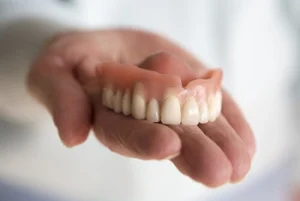 A full upper denture can be a practical solution for replacing missing teeth, especially in situations where stability and comfort matter most. While some explore permanent dentures or a permanent solution using implants, many advantages are still found with conventional dentures when they are planned thoughtfully. Dentures work well when they are fitted carefully and supported by proper care, allowing everyday use to feel more settled over time.
Whether designed for the upper or lower jaw, or considered alongside implant-supported dentures, the right denture solution depends on your mouth, goals, and daily habits. A clear discussion with our dentist helps highlight the key benefits, align expectations with reality, and support a more natural appearance with greater stability where possible. If you are considering a full upper denture and would like personalised guidance, contact our clinic on (02) 9054 5281 to arrange a consultation and discuss your options.
References
https://www.webmd.com/oral-health/dental-health-dentures
https://my.clevelandclinic.org/health/treatments/10900-dentures