

Living without lower teeth can affect how steady your mouth feels, even during simple moments like eating or speaking. A full lower denture is often considered when balance feels inconsistent or when chewing no longer feels controlled. Small daily adjustments, like how you move your jaw or position food, can start to demand more attention than before. This post explains what a full lower denture is, how the process unfolds, and how fit and stability are managed over time.
What Is A Full Lower Denture
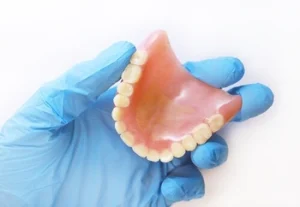
A full lower denture is a removable dental appliance designed to replace all missing teeth along the bottom jaw. It sits over the lower jaw and relies on close contact with the gums and underlying bone for support. Unlike natural teeth, it does not anchor into the jaw, which means balance and fit play an important role in how it feels day to day.
The Process Involved In Getting A Full Lower Denture
Understanding the steps involved can help you feel more prepared before moving forward.
 Initial Assessment And Oral Review
Your journey usually begins with an initial consultation, where your dentist reviews your mouth, bite, and medical history. This visit helps determine whether a lower denture is suitable and whether existing teeth need removal. In some cases, tooth extraction may be required before moving ahead. Your medical conditions are also considered, as they can influence healing and comfort. This stage sets the foundation for all later decisions.
Impressions Shaped To Lower Contours
Once the mouth is ready, impressions are taken to capture the shape of your lower arch. These records guide how the denture will sit against the gum tissue and surrounding structures. Because the lower arch has less surface area than the upper, accuracy matters. A close fit helps reduce unwanted movement later. These impressions are refined to suit your bite and jaw position.
Try In Stages Balancing Upper And Lower Dentures
Before the final denture is made, trial versions may be used to check comfort and alignment. These steps allow the dentist to assess how the denture interacts with the upper teeth or an upper denture if you wear one. Small adjustments are made so the bite feels balanced across the arch. This is also where appearance and spacing are reviewed. Changes at this stage help avoid issues once the denture is worn regularly.
Placement And Early Adjustment Period
When your new dentures are fitted, it can take time for your mouth to adapt. You may notice changes in speech or chewing during the first several weeks. Mild discomfort is common early on as your gums adjust to pressure. Follow-up visits allow the fit to be fine-tuned as swelling settles. This adjustment phase plays a large role in long-term comfort.
Benefits A Full Lower Denture Can Offer In Daily Life
Once you settle into wearing a denture, everyday activities often feel more manageable.
Improved Balance During Chewing
Replacing missing lower teeth helps distribute pressure more evenly when you eat. Without support, the lower jaw can struggle to stabilise food. A full denture provides a surface that works against the upper teeth, improving control. While it does not function like dental implants, it offers practical support. This balance reduces strain on the jaw during meals.
Clearer Speech With Lower Support
Speech relies on the tongue and lower lip working against the teeth. When teeth are missing, certain sounds feel harder to form. A denture restores that contact point. Over time, speech usually becomes clearer as your mouth adapts. This adjustment is gradual and improves with regular wear.
Facial Structure Supported At Rest
Tooth loss affects how the face rests when the mouth is closed. A denture supports the lower face by maintaining spacing between the jaws. This can create a more natural appearance at rest. When paired with an upper denture, facial balance often improves further. The goal is comfort rather than visual change.
Confidence During Social Interaction
Knowing your teeth are replaced can ease self-conscious moments when talking or eating. Many patients describe feeling more at ease once routines settle. That confidence grows as handling and care become familiar. Comfort often matters more than appearance over time.
 Non-Surgical Replacement Option
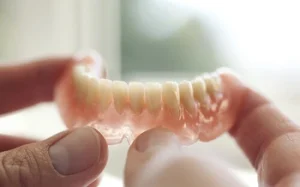
For those not ready for implants, dentures provide a non-surgical way to replace missing teeth. Conventional dentures remain widely used, especially when bone levels or health factors limit other options. Compared with fixed dentures or a fixed bridge, dentures involve fewer clinical stages. This makes them accessible for a wide range of situations.
Factors That Affect The Cost Of A Full Lower Denture
Costs vary, and understanding why can help you plan ahead.
Materials Chosen For The Denture Base
The materials used influence comfort, weight, and durability. Different acrylic blends affect how the denture feels against the gums. These choices contribute to the overall cost of dentures. Material selection is based on fit needs rather than appearance alone.
Complexity Of Lower Jaw Anatomy
The jawbone and remaining bone structure affect stability. A flatter ridge may require more adjustments to manage denture movement. Complex anatomy often means more refinement steps. This can influence both time and cost.
Number Of Fitting And Review Visits
Some mouths settle quickly, while others need additional checks. More visits allow fit and pressure points to be adjusted carefully. These regular visits support comfort and function. The number of appointments influences the final cost.
Laboratory Work And Customisation Level
Custom shaping improves comfort and stability. Laboratory involvement varies depending on how detailed the denture design needs to be. Greater customisation often involves additional steps. This adds to the overall planning time.
Need For Adjustments After Placement
As gums heal and change, the denture may need relining or reshaping. Healing time affects how the denture settles. Adjustments help maintain fit as tissues adapt. These services are part of long-term wear.
Ongoing Maintenance Considerations
Daily care also plays a role in long-term value. Cleaning with a soft brush and mild soap helps protect materials. Dentures are designed for wear, but they still need care. Over time, replacement may be needed as the mouth changes.
Caring For Your Denture Over Time
Daily habits help protect comfort and fit. 
- Gentle cleaning matters: Clean your denture carefully and remove it at night unless advised otherwise, helping reduce pressure on the gums and surrounding tissues.
- Early changes are easier to spot: Pay attention to your mouth for sore areas or rubbing, as small issues are often simpler to manage when noticed early.
- Regular reviews provide guidance: Ongoing check-ups allow changes in fit to be monitored and discussed before discomfort develops.
- Adjustment is part of long-term wear: As your mouth adapts over time, occasional refinements may be needed to maintain comfort and stability.
Your Next Step With Us
If you are considering lower full dentures or reviewing how your existing dentures feel day to day, a visit to our clinic gives you space to talk things through properly. We focus on understanding how your denture is functioning now, how it feels during everyday use, and whether small adjustments could improve comfort or stability. Our role is to guide you with clear, practical insight so decisions feel considered rather than rushed. If you would like to discuss your situation or arrange a review, contact our dental practice on (02) 9054 5281.
References
https://www.webmd.com/oral-health/dental-health-dentures
https://www.sciencedirect.com/science/article/pii/002239136190049X