

Noticing a sudden change in the look or feel of a tooth can leave you wondering what the next step should be and whether repair needs to happen sooner rather than later. When you start thinking about a dental crown for broken tooth concerns, it usually means the change has caught your attention enough to make you pause. That pause often brings a mix of curiosity and uncertainty about what the damage means for long-term comfort.
You may find yourself comparing the affected area with your natural teeth, assessing whether the change feels structural or simply cosmetic. Before deciding on treatment, it helps to understand how crowns work, when they are recommended, and why they often play an important role in protecting weakened enamel.
Is a Dental Crown the Right Step for Your Broken Tooth?
Several signs can help you recognise when a dental crown may be the right way to support a weakened or damaged tooth.
Internal Weakness Showing Through Everyday Use
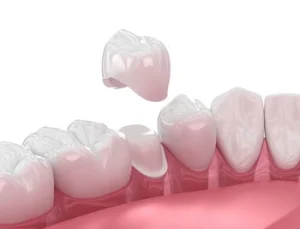
A broken tooth can weaken support within the remaining tooth structure, especially if the fracture extends across a surface that absorbs most chewing forces. When the internal support becomes compromised, natural tooth structure may not hold its shape over time. This is often when a dental crown is recommended, as it offers full coverage over the entire tooth. A fractured surface may look minor at first, but internal changes can progress quietly when left unprotected. Choosing early assessment allows you to understand whether restoring coverage is necessary for dental health.
 Crack Lines Creating Pressure You Can Feel
A cracked tooth can transmit stress into deeper layers that are not visible from the outside. Chewing can cause the crack to open and close slightly, creating uncomfortable sensations or sharp twinges. If the crack reaches the inner dentine layer, treatment options shift toward stronger, more protective restorations. A dental cap can distribute pressure across the surface, reducing the risk of the crack spreading further. This type of support helps maintain the stability of the affected tooth during daily use.
Temperature Reactions Hinting at Deeper Exposure
Sensitivity to temperature or pressure often points to enamel loss or exposure of deeper structures. Cold or heat reaching the inner tooth can suggest weakened coverage, especially around damaged or decayed areas. Porcelain crowns or ceramic crowns can cover these exposed regions, creating a more comfortable barrier. When sensitivity persists or worsens, it can indicate the need to evaluate whether the fracture has affected surrounding teeth as well. Early evaluation prevents further damage that may otherwise develop beneath the surface.
Types of Dental Crowns You Can Consider for a Broken Tooth
Ceramic Options Designed to Blend Smoothly
Ceramic crowns are valued for their natural appearance and are often chosen for visible areas where aesthetics matter. Their colour and translucency can blend well with the surrounding enamel. These crowns work well when tooth shape requires refined contouring or when a broken tooth sits near the front of the mouth. Ceramic materials can provide both strength and a close visual match to natural teeth without relying on metal.
Metal Choices Built for Heavy Biting Forces
Metal crowns are known for resilience and are often used when durability is more important than appearance. They suit areas exposed to strong chewing forces and perform reliably on molars. Metal crowns resist wear and are suitable for broken surfaces with limited underlying support. This design protects the remaining structure against future stress and helps maintain oral health.
Porcelain-Metal Blends Offering a Balanced Middle Ground
Porcelain-fused-to-metal crowns provide a blend of strength and natural appearance. They carry a metal base beneath a porcelain layer, offering stability while maintaining a more enamel-like look. These crowns support both cosmetic dentistry needs and functional requirements. They can be a strong option when a broken tooth requires reinforcement but still benefits from a natural finish.
What the Dental Crown Procedure Involves From Start to Finish
 Early Checks Give You a Clear Starting Point
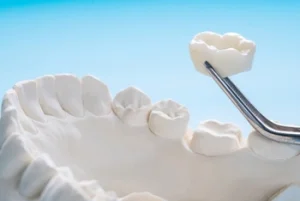
Every dental crown procedure begins with a detailed examination of the affected tooth. The dentist reviews the extent of the break, checks for tooth decay, and determines whether root canal therapy is needed. Assessing surrounding teeth helps identify any issues with alignment or bite contact. Early planning ensures protections suit the entire tooth rather than just the visible surface.
Tooth Preparation Creates Space for a Secure Fit
The next stage involves shaping the tooth so the dental crown fits securely without disrupting nearby contact points. This preparation creates room for the crown material and helps protect teeth from uneven pressure. The process also removes any damaged or decayed teeth portions that may compromise long-term outcomes. A carefully shaped foundation helps the crown sit comfortably and function properly.
Digital Scanning Maps the Tooth Accurately
Digital impressions are often used to capture precise dimensions of the tooth and its surrounding structures. These impressions guide the fabrication of dental crowns and help match contours to opposing teeth. Accurate digital mapping supports a more secure fit, which reduces complications such as the crown feeling loose after placement. Capturing these details early improves comfort when the new crown is fitted.
Temporary Protection Keeps the Area Comfortable
Temporary crowns protect sensitive structures while the final restoration is being created. They cover exposed dentine and help maintain the shape of the prepared tooth. Temporary coverage also keeps the tooth comfortable while chewing, speaking, and brushing. Maintaining these crowns carefully prevents discomfort and supports oral hygiene throughout the waiting period.
Final Adjustments Bring the Bite Into Balance
When the new crown is ready, it is placed over the prepared tooth and adjusted to create a balanced bite. The dentist checks how the crown fits against opposing teeth and whether it supports natural chewing patterns. If the affected area had prior damage or uneven wear, these adjustments help restore function. Once the crown fits comfortably, it is secured in place to protect teeth from further damage.
What You Can Do After Your Crown Is Placed
Follow Gentle Cleaning Habits During Early Adjustment
Practising good oral hygiene during the early days after placement protects the restored area. Using gentle brushing methods keeps the site clean without placing pressure on the crown. This habit helps maintain both comfort and dental health while the surrounding tissues settle. Avoiding aggressive brushing protects the new surface.
Avoid Biting Firm Textures on the Restored Side
Hard textures can place unnecessary strain on the restored tooth, especially when the crown is new. Eating softer foods during the first few days helps the crown adjust to chewing forces. This approach protects natural teeth nearby and reduces the chances of discomfort. Avoiding hard foods also protects the bond that holds the crown in place.
Attend Review Visits to Confirm Ongoing Stability
Regular dental check-ups allow the dentist to examine how the crown integrates with the bite. These visits help identify whether the crown fits correctly or if changes are needed. Review appointments also detect issues such as loose crown movement or surface wear. Early intervention prevents further damage and supports long-term success.
 Strengthen Your Broken Tooth With a Reliable Crown Solution
A crown can provide protection and comfort when a broken tooth compromises function or creates sensitivity that distracts you from daily routines. Our clinic can review the affected area, assess whether a dental crown is appropriate, and determine whether the surrounding teeth need additional support. You can discuss options ranging from porcelain crowns to metal crowns and learn how each design supports your oral health. When you are ready to address dental concerns and restore strength to the area, contact our clinic on (02) 9054 5281.
References
https://www.healthline.com/find-care/articles/dentists/dental-crown
https://www.news-medical.net/health/Procedure-for-Dental-Crowns.aspx