

Noticing a change in colour after veneers are placed can raise practical questions, especially when surrounding teeth respond differently over time. Composite veneers behave in their own way, which means whitening is not always as straightforward as it seems. Knowing what can change, what cannot, and what options are available helps you decide your next step with clarity rather than assumptions.
Can Composite Veneers Change Colour Over Time
Colour changes do happen, but they follow different rules compared with enamel, and understanding those differences matters before any whitening is considered.
 Why Composite Material Reacts Differently To Whitening
 Why Composite Material Reacts Differently To Whitening
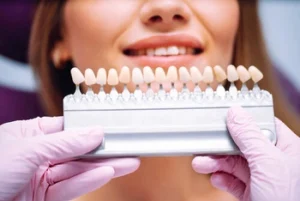
Composite veneers are made from a composite resin, not natural tooth enamel, so they do not respond to whitening in the same way. Whitening products target the internal structure of natural teeth, while composite material remains unchanged beneath the surface. This is why attempts to whiten veneers often lead to uneven results rather than a uniform shade shift. The veneer itself stays the same colour, even if nearby enamel lightens. That difference can become noticeable once whitening begins.
Everyday Factors That Influence Shade Changes
Daily habits influence how veneers look over time. Drinks such as red wine, coffee, and tea can leave surface stains on composite veneers, especially along the edges where they meet enamel. These stains sit on the veneer surface, not inside the material. Over time, staining can build gradually without being obvious day to day. This is one reason stained veneers often look duller rather than significantly darker.
Why Whitening Results Do Not Match Natural Teeth
Whitening treatments act on enamel, while veneers do not respond in the same way. When you try to whiten teeth, the contrast between enamel and veneer becomes clearer. This can affect both your natural teeth and any existing veneers placed earlier. The result is often a mismatch rather than an improvement. This difference applies to porcelain veneers as well, although their surface behaves differently.
Why Whitening Products Do Not Work The Same On Composite Dental Veneers
Once the limits of material response are clear, it becomes easier to understand why whitening products behave inconsistently around veneers.
How Whitening Agents Interact With Composite Surfaces
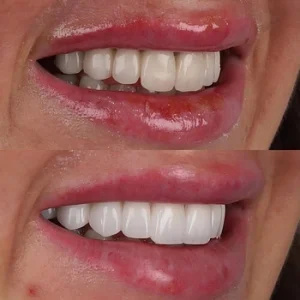 Most whitening agents and bleaching agents are designed for enamel. When they come into contact with resin material, they do not penetrate or alter the internal colour. In some cases, they may help remove surface stains sitting on top of the veneer. In other cases, they leave the veneer unchanged while surrounding enamel lightens. This is why traditional whitening methods rarely deliver balanced results when veneers are present.
Surface Texture And Colour Stability Over Time
Composite surfaces are slightly more porous than enamel, even when polished well. This means composite resin veneers can pick up stains more easily than enamel or stain-resistant porcelain. Texture changes over time also affect how light reflects from the surface. These changes are subtle, but they influence how colour is perceived. Regular review helps catch these shifts early.
Why Surrounding Teeth May Brighten First
When professional teeth whitening treatments are used, the enamel responds first. This makes veneers and natural teeth appear mismatched, even if the veneers have not darkened. The difference is especially visible when veneers sit next to lighter enamel. The issue is not the failure of the veneer but the uneven response between materials.
Uneven Colour Risks After At-Home Whitening
At-home teeth whitening kits often increase contrast rather than reduce it. Enamel lightens, veneers do not, and the difference becomes more obvious. This is a common reason people ask whether they can whiten stained veneers after using whitening products. In most cases, whitening highlights the problem instead of solving it.
When Whitening Makes Differences More Noticeable
Whitening can bring aesthetic concerns to the surface rather than hide them. Small shade differences that once blended in may stand out after treatment. This applies to porcelain or composite veneers, though the cause differs. Recognising this early helps you avoid repeating whitening cycles that do not improve the overall look.
What To Do When Composite Veneers No Longer Match Your Smile
When colour mismatch becomes noticeable, the focus shifts from whitening to practical options that restore balance without overcorrecting.
Professional Polishing As A First Step
Sometimes the issue is staining rather than colour change. Professional cleanings can lift surface build-up and improve brightness without altering the veneer itself. This approach works well when stains sit on top rather than within the material. Regular professional cleanings also help maintain consistency between teeth and veneers.
Surface Refreshing For Stain Removal
If polishing alone is not enough, surface refinishing may help. This smooths the outer layer of resin veneers to improve light reflection. It does not change internal colour, but it can reduce visible dullness. This option suits veneers that are structurally sound but visually uneven.
Habits That Help Reduce Future Discolouration
Long-term appearance depends heavily on daily routines. Using a non-abrasive toothpaste, cleaning gently, and avoiding excessive staining foods all help prevent staining. Simple habits such as brushing your teeth thoroughly and cleaning your teeth regularly make a difference. These steps support dental hygiene without damaging the surface.
Food And Drink Patterns Worth Paying Attention To
Frequent exposure to staining drinks increases surface build-up. Rinsing after coloured beverages and spacing consumption can help keep your veneers looking consistent. These small adjustments support veneer care without needing repeated interventions.
When Replacement Becomes The More Predictable Option
In some cases, colour mismatch cannot be corrected through polishing or whitening. This is when veneers become part of the conversation. Replacement allows shade matching with the current enamel colour rather than trying to alter existing material. This applies to direct composite veneers, indirect composite veneers, and cosmetic veneers placed earlier.
Knowing When To Reassess Your Veneer Plan
A review with a dental professional helps determine whether maintenance, resurfacing, or replacement is appropriate. Factors such as dental bonding, veneer age, and surrounding enamel colour all matter. Decisions are guided by dental health, oral health, and overall good oral health, not just appearance. With proper care, new veneers can be planned to blend more naturally with the enamel tone.
Looking After Veneers Long Term
 Composite veneers are part of a broader approach to dental care, not a standalone solution. Maintaining balance between natural enamel, veneer material, and surrounding teeth requires consistency rather than quick fixes. Simple habits such as practising good oral hygiene, maintaining good oral hygiene, and supporting good oral hygiene help protect results over time. When colour concerns arise, addressing them early avoids unnecessary whitening cycles. Thoughtful planning keeps both porcelain or composite work and dental veneers looking consistent as your teeth change naturally.
Find The Right Veneer Solution With Us
If your composite veneers no longer match the surrounding teeth, getting clear advice early helps you avoid trial-and-error approaches that rarely work. Understanding what can be adjusted and what needs a different solution brings confidence to your next decision. Our clinic can assess your veneers alongside your natural teeth and explain practical options based on material, shade changes, and overall oral health. A personalised review allows you to decide whether maintenance, resurfacing, or replacement makes sense for you. To discuss your concerns and plan the right approach, please contact us at (02) 9054 5281.
References
https://www.colgate.com/en-us/oral-health/veneers/composite-veneers-other-options
https://www.healthline.com/health/composite-veneers