

You may feel unsettled when pressure on a dental implant leads to discomfort. Sometimes the sensation is mild and only appears when chewing particular foods. Other times, the feeling arrives suddenly, prompting questions about what has changed beneath the surface.
Why does my dental implant hurt when I chew, and what does that pain mean? Knowing when this response is expected and when further attention is needed helps you act early, protecting both your health and peace of mind.
Why Your Implant May Hurt When You Chew
You may notice that discomfort during chewing appears in different ways. Some people describe a dull ache, while others feel sharper pressure in one specific area. Below are reasons this sensation can develop and how each may relate to the implant site.
Early Healing Changes That Can Heighten Sensitivity
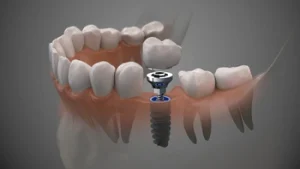 After the dental implant procedure, your body begins a healing process that encourages surrounding the bone to stabilise the implant post. During this time, it is common to feel mild discomfort as tissues settle.
Chewing can momentarily irritate the implant area, especially if your jaw bone is still adapting. These sensations often fade as bone structure develops around the implant, gradually improving stability. Most patients notice these early changes ease with time, especially when gentle eating habits continue.
How Chewing Pressure Can Inflame Surrounding Bone and Soft Tissue
Pressure during meals affects both the implant placement and the nearby gums. When excess force is repeatedly applied to the implant, the surrounding bone and soft tissue may react, causing pain. This reaction sometimes appears if you have recently increased your chewing intensity. In certain cases, swollen gums may also appear because the inflamed tissue around the implant responds to constant movement.
This discomfort is not always a sign of implant failure, but it should be monitored because lingering pressure can interrupt the dental implant process.
Bite Imbalance Causing Strain on the Implant Post
A bite imbalance sometimes places uneven chewing pressure on one area, making the implant hurt while you eat. When teeth on the opposite side do less work, the implant takes on more force than intended.
Over time, this stress strains the implant post and can create implant movement. Some people also notice pain when teeth grinding occurs, especially at night. In these situations, your dentist may use X-rays to assess how nearby teeth influence the implant. Addressing these bite issues early helps protect your long-term comfort.
Infection Around the Implant Disrupting Everyday Comfort
When infection develops around the implant, several changes inside the mouth can influence how chewing feels.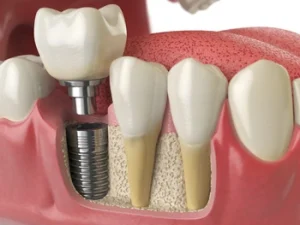
- Gum infection can develop when proper oral hygiene is difficult. A change in brushing habits or food debris lingering around the implant can irritate gum tissue, increasing tenderness during meals.
- Swollen gums may trap bacteria around the implant. This allows microbes to affect deeper layers, causing pain when pressure is applied.
- Infection can disturb the surrounding bone. Inflammation may interrupt the connection between the bone and the implant, causing pain while chewing.
- Dental implant issues may follow systemic conditions. Some medical factors disrupt how the bone heals, altering how chewing feels.
Rare Material-Based Irritation or Biologic Rejection Concerns
Occasionally, a titanium implant may irritate tissue if a sensitivity exists. This reaction can make the implant feel loose while pressure is applied. Although rare, these responses may involve nearby nerves and soft tissue, creating symptoms that persist during the healing process. Tooth implant sensitivity in these cases may require further evaluation. An experienced dentist can assess whether titanium alloys or nerve damage influences your symptoms, helping guide your next steps.
Practical Ways To Address Discomfort When Chewing
You should feel comfortable speaking up if chewing causes pain. Several approaches may help calm the area and support healing. Each step depends on the cause of discomfort, so early guidance offers clearer direction.
1. Temporary Adjustments You Can Try at Home for Mild Discomfort
If chewing brings on occasional symptoms, you might temporarily switch to soft foods. These choices reduce the pressure applied to the implant, helping you keep irritation low. Pain medication may help for short-term relief, especially if taken as advised. Some patients also find that gentle cleaning helps keep the implant site clear, avoiding further tenderness. If discomfort continues, an appointment with a dental professional helps refine your treatment plan before symptoms develop further.
2. When to Ask Your Dentist to Check Implant Positioning
Some cases require your dentist to check the implant placement. If pain increases or feels sharp when biting down, your dentist may promptly examine how the implant area interacts with nearby teeth. Bite checks may also be recommended if you notice discomfort only on one side. Sometimes radiographs show subtle issues around the implant that contribute to symptoms. If the implant feels loose, you should contact your dentist without delay so the implant failure risk can be assessed.
3. Treatment Pathways If Deep Tissue or Bone Involvement Is Suspected
When symptoms suggest changes within the surrounding bone, your dentist may consider additional support. If gum infection is present, treatment helps restore balance around the implant. Some cases require cleaning beneath the gum if tissues around the implant are causing pain. If implant failure or significant inflammation is present, your provider may discuss further evaluation. The jawbone sometimes needs more time to adapt, while other situations require a change of direction. A dental restoration may be reviewed if chewing movement affects stability.
4. Post-Care Habits That Support Long-Term Comfort
Daily attention matters once the initial healing is complete. Gentle brushing habits and proper oral hygiene help keep bacteria away from vulnerable areas. The use of interdental brushes like Pikster and flossing will help maintain gum health around the implant.
Some patients who wear a night guard report improved comfort, particularly if teeth grinding contributed to their symptoms. When the dental implant pain fades, most notice that chewing feels normal again. Regular check-ins help your provider confirm implant success, especially after the tooth implant procedure has settled.
Take Steps Toward Steadier Implant Comfort
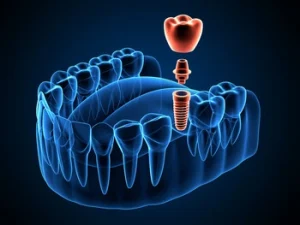 You now have a clearer sense of why discomfort sometimes appears during chewing and how different factors contribute. Reaching out to our dentist immediately is especially important if chewing brings severe pain or the implant feels different from before.
Early assessment can identify concerns such as implant loosening or changes that may follow a surgical procedure, helping guide the next stage of care. Some symptoms improve as the nerve heals, while others benefit from targeted support that protects the implant site as you move forward. Paying attention to symptoms, especially if they change suddenly, offers valuable direction for your treatment plan.
If discomfort continues, call us to discuss what may help. To arrange an appointment, please phone us at (02) 9054 5281.
Note: Any surgical or invasive procedure carries risks. Before proceeding, you should seek a second opinion from an appropriately qualified health practitioner.
References
https://www.healthline.com/health/dental-implant-problems
https://www.mayoclinic.org/tests-procedures/dental-implant-surgery/about/pac-20384622