
Tooth enamel is the hard outer layer that protects your teeth from the daily demands of eating, drinking, and grinding. It is the hardest substance in the human body, yet it has one significant limitation: once it is gone, it cannot grow back.
Loss of tooth enamel is more common than many people realise. Understanding what causes it, how to recognise the early signs, and when to see a dentist can make a real difference to your long-term dental care.
At Boutique Dental Care in Chatswood, we take a practical approach: we help patients understand what is happening with their teeth and what options are available, so they can make informed decisions about their oral health.
Quick Overview
- Loss of tooth enamel is a gradual process that can be driven by several different factors, and how quickly it progresses varies between individuals.
- It may not cause obvious symptoms at first, but certain signs can indicate enamel erosion is already underway.
- Once enamel is lost, it cannot regenerate, but the rate of further damage can be slowed with the right approach.
- What treatment looks like depends on how much enamel has been lost and what is driving the erosion.
Below, we explain the causes, early warning signs, and the steps a dentist may take to protect and restore affected teeth.
What Is the Loss of Tooth Enamel?
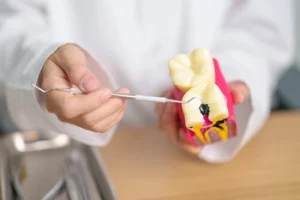 Tooth enamel is the outer layer that covers the crown of each tooth. It acts as a protective shield for the softer dentine and pulp tissue underneath, guarding against tooth decay, temperature extremes, and physical wear.
Tooth enamel loss occurs when this outer layer is gradually worn away or dissolved. The process is called tooth erosion or dental erosion when acid is the main cause, and abrasion when physical friction is responsible. In many cases, both are contributing at the same time.
According to Healthdirect Australia, dental erosion is very common, affecting people of all ages. Because enamel cannot regenerate once lost, early detection and management are important in preventing further damage.
What Causes Enamel Erosion?
Acidic foods and drinks
Acidic drinks, including soft drinks and sports drinks, and acidic foods such as citrus fruits and vinegar-based foods, soften enamel on contact. Over time, acids wear away the essential minerals that give enamel its hardness. Frequency matters more than quantity: sipping soft drinks throughout the day keeps teeth in a near-constant state of acid attack, accelerating enamel erosion significantly.
Acid reflux and frequent vomiting
Acid reflux brings stomach acid into the mouth repeatedly, and frequent vomiting exposes teeth to highly corrosive gastric acid. Both can cause significant enamel erosion on the inner surfaces of the teeth, often independent of diet.
Teeth grinding
Teeth grinding (bruxism) generates physical force on the tooth surface that wears down enamel through friction. A mouth guard worn at night can reduce this mechanical wear and protect remaining enamel.
Brushing habits
Brushing immediately after acidic foods and drinks is particularly damaging because softened enamel is more vulnerable to abrasion. Using a hard-bristled toothbrush or too much pressure compounds this. A soft toothbrush and waiting 30 minutes after acid exposure before you brush your teeth are simple protective steps.
What Are the Early Signs of Enamel Loss?
Teeth sensitivity
As enamel thins, the dentine layer becomes more exposed, making teeth reactive to hot or cold foods and sweet or acidic foods and drinks. Gradual tooth sensitivity without an obvious cause is worth raising at a dental appointment.
Changes in appearance
Teeth may appear more yellow as the darker dentine shows through thinning enamel. Edges may look translucent. In more advanced cases, shiny spots or rough spots on the tooth surface indicate uneven enamel loss.
Chipped teeth and rough edges
Enamel that has thinned becomes more brittle. Patients may notice chipped teeth, rough edges on biting surfaces, or small indentations forming on the tooth surface. These physical changes signal that the protective outer layer has been compromised.
Can Tooth Enamel Grow Back?
 No. Tooth enamel does not regenerate. Unlike bone, it contains no living cells and cannot repair itself once lost.
In the very early stages of softening, fluoride toothpaste can help restore essential minerals before erosion progresses further. But once enamel is physically lost, no home treatment can replace it. The focus then shifts to slowing further damage and restoring the tooth surface through dental treatment.
How Is Enamel Loss Treated?
Treatment depends on the extent of the loss and what is causing it. A dentist will assess both before recommending a treatment plan.
Preventive and early-stage management
For patients in the early stages, the priority is addressing the cause and slowing progression. Steps may include using a soft toothbrush, fluoride toothpaste, reducing acidic foods and drinks between meals, wearing a mouth guard if teeth grinding is a factor, and discussing acid reflux management with your dentist. Whitening products and abrasive toothpastes should be avoided as they can accelerate further damage.
Restorative treatment
Where enamel loss has progressed, a dentist may recommend restorative treatment. Dental bonding using tooth-coloured composite resin can rebuild areas where enamel has worn away. For more extensive loss, crowns may be recommended to protect the remaining tooth structure.
When to See a Dentist
Many people are not aware of enamel loss until it has progressed, because the early changes are subtle. If you notice sensitivity to hot or cold foods, changes in tooth colour, chipped teeth, or rough edges, it is worth booking a dental appointment. Our dental practice in Chatswood offers general dentistry and preventive care to help patients stay on top of enamel health before problems escalate.
Book an appointment today or call us on (02) 9054 5281 to discuss your situation. Individual outcomes vary depending on the extent of enamel loss, contributing factors, and ongoing home care.
Frequently Asked Questions
 Does enamel loss always cause sensitivity?
 Does enamel loss always cause sensitivity?
Not always. Some patients have significant enamel erosion with no discomfort, particularly in the early stages. A dentist can identify changes to the tooth surface that a patient cannot feel or see themselves, which is one reason regular check-ups matter.
Are whitening toothpastes safe if I have enamel loss?
Whitening products and abrasive toothpastes are generally not recommended when enamel loss is present, as they can accelerate erosion of already compromised enamel. A dentist can advise on the most appropriate toothpaste, typically a low-abrasion fluoride toothpaste.
How long does it take for acid to damage enamel?
Acid begins softening enamel within minutes of contact. A single exposure causes minor damage, but repeated exposure throughout the day does not allow time for saliva to neutralise the acid or enamel to reharden. Keeping acidic foods and drinks to mealtimes significantly reduces the cumulative effect.
Can acid reflux cause enamel loss even if I brush regularly?
Yes. Acid reflux introduces stomach acid into the mouth independently of diet or brushing habits. Because it can occur during sleep when saliva production is reduced, it can cause significant enamel erosion even in people with otherwise good oral hygiene. Discussing it with your dentist allows the dental impact to be assessed and managed alongside appropriate care.
Is enamel loss the same as tooth decay?
No. Tooth decay is caused by bacteria producing acid from sugars, creating cavities. Enamel loss through erosion is caused by direct acid contact without bacterial involvement and does not necessarily produce cavities. Both damage tooth structure but have different causes and management approaches, which a dentist can distinguish during an examination.
References
https://www.webmd.com/oral-health/tooth-enamel-erosion-restoration
https://my.clevelandclinic.org/health/diseases/tooth-erosion