

That fuzzy feeling on your teeth first thing in the morning? That is tooth plaque, or dental plaque. It forms on tooth surfaces every single day, regardless of how well you brush. For most people, a consistent oral hygiene routine keeps it manageable. But when plaque builds up faster than it is removed, or when it is regularly left to harden, the situation can shift from routine to serious.
At Boutique Dental Care in Chatswood, we see patients at every stage of this: from early plaque concerns to more advanced tartar buildup and the gum problems that follow. Understanding what is happening in your mouth is the first step toward doing something about it.
Quick Overview
- Extreme dental plaque is a heavy accumulation of bacteria that constantly forms on tooth surfaces, though how quickly it builds varies between individuals.
- It may affect anyone, but certain habits, diet patterns, and health factors can accelerate how fast plaque develops and hardens.
- Left undisturbed, plaque can harden into tartar within as little as 24 to 72 hours, and what happens after that depends on how long it remains in place.
- The stage of buildup, whether gum tissue is affected, and how long the situation has been developing all influence what management looks like.
Below, we explain what extreme plaque actually does to teeth and gums, how to slow its progression at home, and when professional cleaning becomes necessary.
What Exactly Is Extreme Dental Plaque?
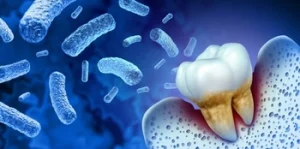
Extreme dental plaque refers to a heavy, persistent accumulation of the sticky film that constantly forms on teeth. Dental plaque is a biofilm: a structured colony of bacteria that attaches to tooth surfaces, the gum line, and in the gaps between teeth.
 Plaque starts forming within minutes of eating. Bacteria in your mouth feed on leftover food particles, particularly from sugary foods and starchy foods like potato chips, soft drinks, and refined carbohydrates. These acid-producing bacteria weaken enamel and inflame gums as they produce acids, and the biofilm thickens and spreads across chewing surfaces and along the gum line.
In small amounts, plaque is a normal part of oral biology. The problem begins when it is left undisturbed. When inadequate brushing and flossing continue as a pattern, plaque accumulates at a rate that routine home care can no longer manage alone: what dental professionals describe as extreme or heavy plaque buildup.
What Happens When Dental Plaque Starts to Harden?
Once dental plaque starts to sit undisturbed on tooth surfaces, it begins to calcify. Minerals in saliva crystallise within the biofilm, and within 24 to 72 hours, plaque can begin hardening into tartar, also called dental calculus or dental tartar. Once this calcification occurs, the deposit is strongly bonded to the tooth surface and cannot be removed by brushing and flossing alone. This is why consistent daily home care is the most practical way to prevent tartar from forming.
Tartar buildup creates a rough surface on the tooth that attracts even more plaque. It also forms a physical barrier between the gum tissue and the tooth, trapping harmful bacteria directly against the gum line. Hardened plaque called calculus can only be removed by a dental professional, and the bacteria it houses irritate the gums, causing them to bleed easily.
Hard tartar also traps food particles and produces persistent bad breath. The longer it remains in place, the more the surrounding gum tissue and bone are affected.
How Extreme Plaque Damages Your Teeth and Gums
When plaque and tartar build up at a significant level, the consequences extend across the whole mouth. The damage follows a clear pathway, and each stage carries its own risks.
Tooth enamel breakdown and tooth decay
Acid-producing bacteria in plaque constantly produce acids that damage tooth enamel. Enamel cannot repair itself once lost. When acids attack repeatedly, tooth decay develops and can progress to the inner pulp, potentially requiring root canal treatment to prevent a tooth infection from spreading.
Gingivitis and swollen gums
The earliest stage of gum disease, called gingivitis, is a direct result of plaque and tartar at the gum line. Swollen gums that bleed when you brush are the most visible sign. At this stage, the condition is considered reversible with good oral hygiene and professional cleaning.
Periodontal disease
When gingivitis is left untreated, it can progress into periodontal disease. A 2021 study published in the National Study of Adult Oral Health 2017-18 found that nearly 30% of Australian adults had moderate to severe periodontitis and almost 29% presented with gingivitis. In periodontal disease, bacteria destroy the soft tissue and bone that support the teeth. Gum recession occurs as gum tissues pull away from the tooth, and bone loss progresses underneath. Without treatment, this leads to tooth loss.
Tooth loss and broader health effects
Tooth loss is the end result of extreme plaque left untreated over time. Oral cancer screening is an important part of routine dental assessment, and regular dental checkups catch conditions that patients cannot assess themselves. Research has linked periodontal inflammation to broader overall health concerns, including cardiovascular conditions.
How to Prevent Plaque Buildup at Home
Prevention starts with removing soft plaque before it has the opportunity to harden. The most effective way to prevent tartar buildup is to prevent plaque from calcifying in the first place, and the habits you build at home directly determine how quickly it accumulates.
Brushing technique and tools
Brushing twice a day with fluoride toothpaste is the foundation of plaque removal. Fluoride toothpaste helps to remineralise and protect tooth enamel against the acids that plaque produces. Research supports that an electric toothbrush removes plaque more effectively than a manual toothbrush, particularly along the gum line and on the surfaces between teeth. That said, a manual toothbrush used with correct technique still provides meaningful plaque control.
Use a soft-bristled brush angled at 45 degrees toward the gum line, and spend at least two minutes covering all chewing surfaces, inner surfaces, and the gum line.
Flossing daily
Flossing daily reaches the areas between teeth and just below the gum line where a toothbrush cannot. These are the places where plaque most readily builds and where tartar buildup begins. If interdental brushes or water flossers are easier to use consistently, they provide a comparable benefit.
Dietary habits that reduce plaque formation
 Reduce sugar intake and limit starchy foods and soft drinks between meals. Every time bacteria in plaque feed on sugar, they produce acids for up to 20 minutes. Frequent snacking means the acid attack on tooth enamel is almost constant. Choosing water over sugary drinks and finishing meals with water helps wash away leftover food particles and helps increase saliva production.
Saliva production is a natural defence against plaque. Saliva neutralises acids and contains minerals that help remineralise enamel. Chewing sugar-free gum after meals helps increase saliva production and supports the mouth’s natural defence against plaque.
When Professional Cleaning Becomes Necessary
Once plaque has hardened into tartar, home care alone cannot address it. Professional cleaning by a dental professional is required to remove tartar, and the approach will depend on how extensive the buildup is and whether gum disease is present.
Routine professional cleaning
Regular dental cleanings involve scaling to remove plaque and tartar from tooth surfaces and along the gum line, followed by polishing. This type of cleaning addresses deposits above the gum line and those just at the gum margin. Regular dental checkups allow the dental team to monitor plaque and tartar levels and identify early signs of decay or gingivitis before they progress. Regular dental cleanings are recommended as part of an ongoing oral health strategy to manage plaque and tartar before they cause irreversible damage.
Deep cleaning: scaling and root planing
When periodontal disease is present and tartar has extended below the gum line into the pockets between teeth and gum tissue, a deeper procedure is required. Scaling and root planing, often called deep cleaning, involves removing plaque and tartar from both above and below the gum line using specialised instruments, including ultrasonic instruments and fine hand tools. Root planing smooths the root surfaces of teeth, which helps gums reattach to the tooth and makes it harder for plaque to recolonise in the future.
A 2015 study found that scaling and root planing is beneficial for patients with chronic periodontitis. This procedure addresses gum recession and reduces the depth of the pockets where bacteria accumulate. Individual outcomes from treatment vary depending on the severity of disease, overall health, and ongoing home care.
Keeping Plaque Under Control Long-Term
Dental plaque constantly forms. No single clean product or habit eliminates it permanently. Long-term oral health comes from consistent daily brushing and flossing, regular dental cleanings, and regular dental checkups that allow your dental team to catch and address buildup before it progresses.
If you notice swollen gums, bleeding when you brush, persistent bad breath, or a buildup of hard deposits you can feel with your tongue, these are signs it is time to book an appointment with a dental professional.
At Boutique Dental Care in Chatswood, our in-house dental hygienist provides professional cleaning as part of routine dental checkup and cleaning appointments. We also provide clinical assessment for gum disease and work with patients to establish an oral hygiene routine that fits their individual situation and dental health needs.
Book an appointment with Boutique Dental Care or please call us on (02) 9054 5281 to speak with our team.
Frequently Asked Questions
Is extreme dental plaque the same as tartar?
No, they are related but distinct. Dental plaque is a soft, sticky film of bacteria that constantly forms on tooth surfaces and can be removed through brushing and flossing daily. Tartar, also called dental calculus or dental tartar, is what plaque becomes when minerals from saliva harden it onto the tooth surface. It is strongly bonded and requires professional cleaning to remove. Extreme plaque refers to heavy accumulation of the soft film; once it calcifies, it becomes tartar.
Can extreme plaque cause bad breath even if I brush regularly?
Yes. Plaque accumulates in areas that brushing alone cannot fully reach, including between teeth and below the gum line. The bacteria in plaque and tartar release compounds that produce persistent bad breath. If bad breath continues despite regular brushing, it may indicate significant plaque buildup below the gum line or early gum disease. A dental professional can assess whether a deeper clean or treatment is needed.
What foods contribute most to plaque buildup?
Sugary foods and starchy foods are the main dietary contributors to plaque formation. When acid-producing bacteria in plaque feed on sugars from soft drinks, lollies, bread, potato chips, and similar foods, they produce acids that attack tooth enamel and accelerate biofilm growth. Reducing sugar intake and rinsing with water after meals reduces the frequency of acid attacks. Increasing saliva production through hydration and sugar-free gum also helps neutralise the acids that plaque bacteria produce.
How often should someone with heavy plaque buildup see a dentist?
This depends on the individual. Some people naturally produce more plaque due to saliva composition, diet, or dry mouth. For patients with a history of heavy tartar buildup, gum disease, or periodontal disease, dental professionals may recommend more frequent professional cleaning than the standard twice-yearly schedule. Your dentist will assess the rate at which plaque and tartar rebuild between visits and recommend a cleaning interval based on your specific dental health needs.
 Can gum recession from plaque buildup be reversed?
 Can gum recession from plaque buildup be reversed?
Gum recession itself is generally not reversible once it has occurred, though the progression can be stopped and managed. When periodontal disease causes the gum tissues to pull away from the tooth, deep cleaning procedures such as scaling and root planing remove the cause of inflammation and help the gums reattach to a clean root surface, reducing pocket depth. Early intervention gives a favourable outcome. Left untreated, bone loss continues, and tooth loss becomes more likely. Individual outcomes vary depending on the extent of disease and ongoing oral hygiene.
Why does extreme dental plaque build up faster in some people than others?
Plaque formation rate varies between individuals. Factors that can accelerate buildup include dry mouth (reduced saliva production means less natural acid neutralisation), certain medications that reduce saliva flow, smoking, and crowded or overlapping teeth that create hard-to-clean surfaces. Diet plays a role too: frequent consumption of sugary foods and soft drinks gives acid-producing bacteria more to work with throughout the day. A dental professional can identify what is driving heavier-than-average plaque accumulation in your specific case.
References
https://www.colgate.com/en-in/oral-health/plaque-and-tartar/plaque-on-teeth-causes-and-treatment-0515
https://my.clevelandclinic.org/health/diseases/10953-plaque