

A dental implant journey can involve several small parts, and some of them are not always obvious when treatment is first discussed. You may hear terms during your appointment and wonder which part sits in the gum, which part supports the visible tooth, and which part is added later. One term that often creates questions is dental implant abutment, especially because it sits between the hidden and visible parts of the restoration.
Knowing where it fits can make the treatment sequence easier to follow. It can also help you understand why timing, gum healing, material choice, and cleaning all matter. This guide explains the role of the abutment in a clear, step-by-step way.
Where Does The Implant Abutment Sit?
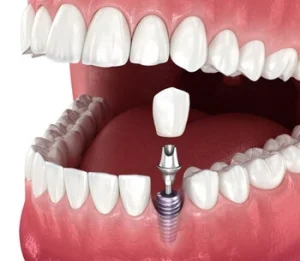
The abutment sits between the implant in the jaw and the restoration you see above the gums.
Connector Position Between Implant And Crown
A dental abutment acts as a small connector between the implant fixture and the visible part of the restoration. The implant itself sits in the jawbone and is designed to take the role of an artificial tooth root. Once the area has healed enough, the implant abutment can be attached so the next stage can be planned. This connection helps the restoration sit in the right position for the bite and surrounding teeth. The way the abutment connects to the implant can vary depending on the system being used.
Gum Tissue Around The Abutment
The gum tissue around this small connector affects how the final tooth shape appears. Your gum line may need time to settle before the final restoration is made. If the tissue is too tight, uneven, or inflamed, the crown edge may not sit as naturally as intended. Your dentist will usually assess the surrounding gum tissue before moving to the next stage. This helps the visible tooth emerge from the gums in a more balanced way.
 Support Role Inside The Final Restoration
 Support Role Inside The Final Restoration
The abutment helps support the prosthetic tooth above the implant. In some cases, the visible result may be a single artificial tooth, while in other cases, it may involve a crown, bridge or denture. The final restoration is shaped to suit the mouth, bite, and available space. A final crown is usually made after the position of the abutment has been checked. The aim is to create a replacement tooth that works with the surrounding structures.
Differences Between Front And Back Teeth
Front teeth usually need careful planning because they are more visible when you speak or smile. Back teeth often need stronger support because they take more chewing pressure. The type of restoration can also depend on whether one tooth or several teeth are being replaced. A missing tooth in a visible area may involve different shaping decisions compared with a molar. The nearby teeth, bite pattern, and soft tissue all affect the planning process.
Does Every Dental Implant Need An Abutment?
Most implant restorations need some form of abutment, but the type and timing can vary.
Single Tooth Replacement Setups
For one missing tooth, the abutment usually sits between the implant and the crown. The goal is to replace the missing tooth without placing pressure on a natural tooth beside it. The dentist also checks the space between other teeth so the new restoration can be shaped correctly. If the gap is narrow or the bite is tight, the abutment design may need to be adjusted. This planning helps the restoration fit within the existing dental arch.
Bridge Support Across Multiple Teeth
A dental bridge supported by implants may use more than one abutment. This approach may be discussed when several teeth are missing in the same area. The new tooth or teeth are planned so that chewing forces are spread across the implants. Each connection needs to be stable because the bridge works as one joint restoration. The final design depends on bone levels, spacing, and the number of implants available.
Full Arch Implant Connections
Full arch restorations can use several implants connected to a larger prosthetic structure. In these cases, a permanent abutment may be selected to support the final teeth. The design can vary depending on whether the restoration is fixed or removable. Bite force, cleaning access, and available space all influence the planning. These cases usually require more detailed assessment than a single tooth replacement.
Situations With Temporary Restorations
Temporary abutments may be used while the mouth is still healing or while the final restoration is being made. A temporary crown can sometimes be placed for appearance or spacing, depending on the treatment plan. This temporary stage is not always designed for full biting pressure. Your dentist may ask you to avoid heavy chewing on that area during the early phase. Temporary components help guide the next steps without replacing the need for final planning.
Healing Stages Before Final Placement
A healing abutment can be placed to help shape the gums before the final tooth is attached. Some small covers are also known as a healing cap, and they sit over the implant site during the healing stage. These parts are sometimes called healing caps because they protect the connection area while the gums settle. The size and shape can vary depending on the location of the implant. Once the tissue is ready, the final component can be selected.
Materials Used For Dental Implant Abutments
Abutment material is chosen based on strength, appearance, tissue shape, and the type of final restoration.
Titanium Options Near Back Teeth
 Titanium Options Near Back Teeth
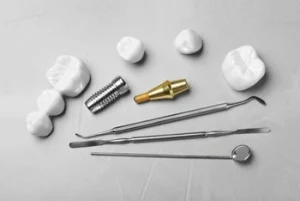
Titanium abutments are commonly used because they can provide strong support in areas exposed to chewing pressure. They may be used near the back teeth, where appearance under the gum is less visible. Some components are made from titanium alloys, depending on the implant system and design. A titanium base may also be used beneath another material in selected cases. Material choice should be discussed in relation to your bite, gum shape, and restoration type.
Zirconia Choices For Visible Areas
Zirconia abutments may be considered when the implant is in a visible area. They can be useful where a darker metal tone may show through thinner gum tissue. Gum thickness plays a role in this decision because thicker tissue may mask underlying components more easily. The colour of nearby teeth and the position of the smile line may also be reviewed. Suitability depends on the clinical situation, not appearance alone.
Custom Shapes For Gum Contours
Stock abutments are ready-made parts that come in set shapes and sizes. Prefabricated abutments may suit some straightforward cases, but they do not always match individual gum shapes closely. Custom abutments are designed for a specific mouth and are often made with input from a dental laboratory. This can help when the gum contour, implant angle, or tooth position needs more individual planning. The choice should be based on function, tissue support, and access for cleaning.
Will The Abutment Placement Feel Different From Implant Surgery?
Abutment placement is usually a smaller stage than implant placement, but the experience can still vary.
Pressure Around Healing Gums
As the gums heal, you may notice pressure or mild tenderness around the area. Tissue healing varies depending on the original treatment, the position of the implant, and personal healing factors. The soft tissue may feel different as it reshapes around the component. This does not always mean there is a problem, but changes should be monitored. Any swelling, bleeding, or increasing discomfort should be discussed during review.
Numbness During Minor Procedures
Abutment placement may be done with local anaesthetic, depending on the situation. If the implant is covered by gum, a small incision may be needed to access it. You may feel pressure, movement, or water spray, but sharp pain should be reported during the appointment. The visit is usually focused on assessing the implant connection and placing the next component. Your experience can vary depending on tissue coverage and the healing stage.
Soft Tissue Changes After Placement
The surrounding tissue may change shape once the abutment is placed. You might notice the area around the implant feels different when you brush or rinse. The tissue around the implant site may need time to settle before impressions or scans are taken. If soreness increases after the appointment, the area should be checked. Gum response helps guide the timing of the next stage.
Eating Adjustments During Early Recovery
The healing process after this stage can affect what feels manageable when eating. You may be advised to chew on the other side for a short period, particularly if the area feels tender. This advice may follow the dental implant procedure or a later restorative visit. Food trapping near the abutment can irritate the tissue if the area is difficult to clean. Soft foods may be easier while the gum adapts.
Signs Worth Discussing With Your Dentist
Dental implant surgery and later restorative steps can feel different from one another. Implant surgery usually involves placing the implant into the jaw, while the later stage focuses on uncovering or connecting components. Dental implant placement is therefore not the same as fitting the visible tooth. If discomfort, movement, or swelling appear after any stage, it should be reviewed. Clear communication helps the dental team decide whether healing is following the expected pattern.
Problems That Can Affect Implant Abutments
Abutments can develop issues if the connection, gums, bite, or cleaning access becomes compromised.
Loose Connections During Biting
A loose connection can sometimes be noticed when biting or chewing. It may feel like movement in the crown, a clicking sensation, or a change in the bite. This does not always mean implant failure, but it should be assessed before more strain occurs. Delaying review may allow extra pressure on connected parts. Early assessment can help identify whether the issue is with the crown, abutment, screw, or deeper implant structure.
Bacteria Around Implant Margins
Bacteria can collect near the crown edge if cleaning is difficult. Gum disease around implants can affect the tissue and supporting structures if it is not managed. Daily oral hygiene needs to reach the area where the crown, abutment, and gum meet. Bleeding, tenderness, or a change in taste may need review. The shape of the restoration can also affect how easily plaque is removed.
Gum Recession Near The Crown Edge
Gum health influences how stable the tissue looks and feels around the crown edge. If the gum recedes, part of the connection or margin may become more visible. The surrounding tissue can change due to inflammation, thin tissue, brushing pressure, or bone changes. This may affect appearance, cleaning access, and sensitivity in the area. Regular checks allow tissue changes to be monitored over time.
Wear Between Connected Components
Implant components are designed to work together, but they still experience force during daily use. The way the implant fuses with the bone helps provide a stable base, but the upper components must also be checked. Heavy bite pressure or grinding can place strain on screws, abutments, and crowns. Wear may not be obvious to you at first. A review can identify small mechanical changes before they become harder to manage.
Bone Changes Around The Implant
Bone levels around an implant can change for several reasons. Inflammation, overload, health factors, or previous bone loss may affect long-term stability. Oral health habits and regular monitoring both matter because implants do not respond exactly like natural teeth. X-rays may be used at review visits to compare bone changes over time. Any concerns should be assessed in context rather than judged by symptoms alone.
Daily Habits That Help Protect Implant Abutments
Daily care around implants needs to focus on cleaning access, bite pressure, and regular review.
Cleaning Around The Crown Base
Good oral hygiene around the crown base helps reduce plaque buildup near the abutment. You may need brushes, floss, or other cleaning aids shaped for the space. The technique can differ from cleaning natural teeth because the crown edge may sit differently near the gum. If the area bleeds during cleaning, it should not be ignored. Your dental team can show you which tools suit the shape of your restoration.
Food Choices During Early Healing
After an implant stage, food choices may need temporary adjustment. Hard foods can place pressure on the area before the tissue has fully settled. Very sticky foods may also pull around temporary components or make cleaning harder. These restrictions are usually based on the treatment stage and the stability of the restoration. The implant should be reviewed if chewing feels unusual or uncomfortable.
Night Grinding And Bite Pressure
Grinding or clenching can place repeated pressure on implants and connected parts. In implant dentistry, bite forces are reviewed because implants do not have the same ligament cushioning as natural teeth. A night guard may be discussed if there are signs of wear or heavy pressure. You may not always know you grind your teeth, especially if it happens during sleep. Bite checks can help identify pressure patterns before they create mechanical problems.
Review Appointments Over Time
Review visits allow your dentist to check the crown, abutment, gums, and bite. Small changes can be easier to assess when there is a record of how the area looked previously. The dental team may also check cleaning access and discuss any changes you have noticed. These appointments are part of long-term implant maintenance rather than a sign that something is wrong. Consistent monitoring helps guide decisions if the area changes.
Smoking Effects On Implant Stability
Smoking can affect healing and tissue response around implants. It may also increase the risk of inflammation around the restoration. If you smoke, it is worth discussing this before and after implant treatment, so risks can be considered. The effect can vary depending on general health, oral care, and the condition of the gums. Any change around the crown base should be reviewed early.
Talk With Us About Dental Implant Abutment Care
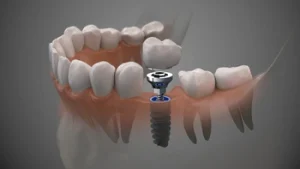 A dental implant restoration involves more than the visible tooth, and the abutment plays a key role in how the final result is planned and maintained. The right approach depends on your gum tissue, bite, bone support, cleaning access, and the type of restoration being used. If you are unsure whether your implant is still healing, ready for the final crown, or showing signs that need review, it is worth discussing this during your appointment.
Our clinic can assess the implant area, review the abutment connection, and check whether the surrounding tissue appears stable before the next phase of treatment. If you already have an implant restoration, follow-up visits may help monitor changes affecting the crown, gums, or bite over time.
Any looseness, soreness, bleeding, or bite changes should be assessed before they become more difficult to manage. To discuss dental implant abutment care or your current implant stage, please contact us on (02) 9054 5281.
Note: Any surgical or invasive procedure carries risks. Before proceeding, you should seek a second opinion from an appropriately qualified health practitioner.
References
https://www.oraljournal.com/archives/2020/vol6issue2/PartE/5-2-62-610.pdf
https://www.fda.gov/medical-devices/dental-devices/dental-implants-what-you-should-know