

Realising a baby tooth has remained in place longer than expected can feel surprising. You may have noticed one smaller tooth in your smile, a gap nearby, or a tooth that has stayed in place for years. If you are an adult with baby teeth, you may be wondering whether this is common, whether it needs treatment, or whether the tooth can simply stay in place. The answer depends on what is happening beneath the gum and how stable the tooth is. Some retained teeth function for years, while others may change over time. A dental assessment can help explain what is present and what options may be suitable.
Can Adults Still Have Baby Teeth?
Baby teeth can sometimes remain in the mouth well beyond childhood, especially when the adult replacement has not developed or erupted normally.
Baby Teeth Still Present In Adulthood
Many adults have baby teeth that never fell out during the usual stages of tooth development. These are often called retained baby teeth. In some cases, primary teeth stay in place because there was no normal replacement pathway during childhood. The retained primary tooth may appear smaller than neighbouring teeth, but it can still remain functional if it has stable support. Age alone does not determine whether treatment is needed, because the condition of the tooth matters more than the fact that it has stayed into adulthood.
 Adult Teeth Missing Beneath The Gums
 Adult Teeth Missing Beneath The Gums
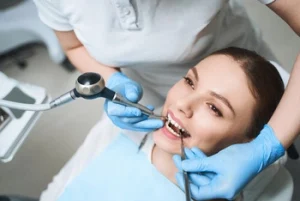
Adult teeth usually develop beneath the gums and eventually replace baby teeth. If a permanent tooth exists, the baby tooth may loosen as the adult teeth grow into position. Sometimes, however, the permanent teeth do not form in that area. Tooth agenesis is one of the most common causes of a baby tooth staying in place into adult years. In this situation, there may be no permanent one waiting beneath the gum to take its place.
Smaller Teeth Affecting Bite Balance
Adult baby teeth can sit lower, narrower, or differently shaped compared with surrounding adult teeth. This may affect the way the bite comes together, particularly if the tooth is shorter or has thinner enamel. The surrounding teeth may also shift slightly if space is not balanced across the mouth. Over time, bite issues or spacing problems can develop around the area. Bone levels are also reviewed because the tooth root of a baby tooth is shaped differently from that of an adult replacement.
Loose Baby Teeth Later In Life
A baby tooth may become loose later if the root shortens, decay develops, or the gum support changes. Food can also collect around small gaps if the tooth no longer sits closely against nearby teeth. Wisdom teeth do not replace baby teeth, but their eruption can still affect overall crowding in some mouths. Oral health needs to be checked if movement, discomfort, or gum changes appear. A dentist can assess whether the tooth remains stable or needs further attention.
Could A Retained Baby Tooth Cause Problems Later?
A retained tooth may not always cause problems, but changes in bite, gum support, or nearby tooth position can make review important.
Uneven Wear Across Nearby Teeth
A retained tooth can sometimes wear differently because it may not match the shape or height of other teeth. This can lead to uneven contact during chewing. The permanent teeth nearby may take extra pressure if the smaller tooth does not share the load evenly. You might notice changes in your smile if the tooth sits lower or looks out of proportion. There are a few reasons this can happen, including root shape, enamel thickness, and the way the teeth meet.
Gaps Developing Around The Tooth
Gaps may form if the baby tooth is smaller than the space available. Surrounding teeth can drift over time, especially if the area has not been monitored. In some cases, bone loss may also affect how firmly the tooth sits in place. A changing bite can make these spaces more noticeable when chewing or speaking. The concern is not only appearance, but also whether the area is becoming harder to clean.
Jaw Changes Affecting Tooth Position
Jaw growth and tooth movement can continue to influence the position of retained teeth. If adult teeth grow into the wrong angle or remain unerupted, the retained tooth may stay longer than expected. Tooth development is usually reviewed with imaging to see what is happening below the surface. The bone around the area also gives useful information about stability. These findings help guide whether monitoring or active treatment may be needed.
Gum Health Around Retained Teeth
Gum health around retained baby teeth can vary depending on how the tooth sits in the mouth. If the tooth is small, tilted, or worn, plaque may build up more easily around the edges. Decay can occur sooner if cleaning is difficult or if the enamel is thin. Retained primary teeth also need routine review because they may not respond like adult teeth over time. Good oral health habits can help reduce risks, but they do not replace regular checks.
Pressure From Nearby Adult Teeth
Pressure from surrounding adult teeth can sometimes affect a retained tooth. If a permanent tooth exists nearby but has not erupted correctly, it may place force on the baby tooth root. This can affect the way the tooth sits or whether it becomes mobile. In some cases, retained primary teeth remain stable, while others shift as the mouth changes. Monitoring helps identify these changes before they start affecting the wider bite.
Which Treatment Options May Be Considered?
Treatment depends on whether the tooth is stable, whether there is enough support, and whether the area is affecting function or appearance.
Monitoring Teeth With Stable Support
 Monitoring Teeth With Stable Support
If a retained tooth is firm, cleanable, and not affecting your bite, monitoring may be suitable. The dentist will usually check gum support, root condition, and any signs of wear. Treatment is not always needed straight away, especially if the tooth is functioning without concern. Regular reviews play a crucial role because they help detect small changes over time. The most suitable approach depends on stability, symptoms, and your longer-term dental needs.
Orthodontic Planning Before Replacement
Orthodontic treatment may be considered if spacing problems or bite issues are present. This can help create enough room before a tooth is restored or replaced. The position of surrounding teeth is also assessed so the final plan works with the rest of the bite. Sometimes orthodontic planning happens before extraction, and sometimes it supports later restorative care. The sequence depends on the position of the retained tooth and the space available.
Dental Implants After Tooth Removal
Dental implants may be considered after removal if the area has enough bone and the person is suitable for treatment. Implants are designed to replace the missing root and support a replacement tooth. If bone loss has occurred, additional planning may be needed before this option is considered. This approach is usually assessed after growth is complete and the mouth is stable. Suitability varies, so imaging and clinical review are important before making decisions.
Bridges Used To Replace Missing Teeth
A dental bridge or partial dentures may be discussed if an implant is not suitable or not preferred. Treatment used to fix baby teeth depends on the condition of the retained tooth and whether it can be repaired, monitored, or replaced. If the baby tooth is removed, the space usually needs a plan so that nearby teeth do not drift. Each option has different care needs and limitations. The final choice should consider function, cleaning access, cost, and the condition of the remaining teeth.
Long-Term Planning Based On Tooth Condition
Long-term planning looks at the tooth itself, the gums, the bite, and the surrounding structures. A retained tooth may stay in place for many years if it remains stable. In other cases, treatment may be recommended if movement, pain, infection, or loss of support develops. The plan can change as the mouth changes, so review appointments remain useful. A practical approach is to assess the current condition first, then decide whether monitoring or replacement is more appropriate.
Talk With Us About Treatment For Retained Baby Teeth
 Talk With Us About Treatment For Retained Baby Teeth
If you are an adult with baby teeth, the condition of the tooth, the surrounding bone, and the nearby adult teeth may all influence whether monitoring or treatment is considered. Some retained teeth remain functional for years, while others may change as the bite and gums shift over time. Our clinic can assess the area and explain whether the tooth appears stable or whether further planning may be needed. To arrange a review or discuss possible treatment options, contact our clinic on (02) 9054 5281.
References
https://www.sciencedirect.com/science/article/am/pii/S0917239424000338
https://pmc.ncbi.nlm.nih.gov/articles/PMC11409905/