

Gum pain around wisdom tooth areas can feel confusing, frustrating, and sometimes alarming. One day, you are fine. Next, you notice gum swelling, jaw pain, or a strange taste in the mouth. It may start as mild discomfort and quickly turn into severe pain that affects how you eat, speak, or even sleep.
If you are experiencing gum pain around wisdom tooth regions, you are not alone. Wisdom teeth, also known as third molars, are often linked to wisdom tooth issues, especially in the early twenties when these adult teeth begin to emerge. Understanding why this happens and what you can do about it is the first step toward relief and better oral health.
Let us explore what is going on around the wisdom tooth, why gum inflammation develops, and how to relieve wisdom tooth pain safely.
Why Are Wisdom Teeth So Problematic?
Wisdom teeth, also known as third molars, have earned a reputation for causing discomfort, swelling, and unexpected dental pain. But why do these teeth, which are simply part of our natural set of adult teeth, create so many problems?
The answer lies in timing, space, and modern jaw size.
They Arrive Late to a Crowded Mouth
Wisdom teeth are the last adult teeth to emerge, usually in the late teens or early twenties. By that stage, your mouth is already fully occupied by the other teeth. There is often little room left for these final molars.
When wisdom teeth attempt to erupt into an already crowded mouth, they may press against neighbouring teeth and create pressure. This pressure may lead to jaw pain, gum inflammation, and even shifting of surrounding teeth. In some cases, difficulty chewing or tooth sensitivity develops as a result.
Impacted Wisdom Teeth Are Very Common
One of the main reasons wisdom teeth cause trouble is impaction. Impacted wisdom teeth are trapped beneath the gum tissue or bone and cannot emerge properly.
Instead of growing straight up like other teeth, they may grow at an angle, press sideways against other teeth, or remain partially buried. When a tooth is trapped beneath the surface, pressure builds. This can cause persistent pain, gum swelling, and inflammation around the wisdom tooth.
Lower wisdom teeth are particularly prone to impaction because the lower jaw often does not have enough space.
Partially Erupted Teeth Create a Bacteria Trap
At times, a wisdom tooth only breaks through the gum partway. When this happens, a small section of gum tissue can remain covering part of the tooth. Food particles and bacteria easily become trapped beneath this gum flap.
When cleaning the area becomes difficult, poor oral hygiene can lead to gum inflammation and bacterial infection. This condition, often referred to as pericoronitis, can cause swollen gums, a bad taste in the mouth, bad breath, and even severe pain.
If left untreated, the infection may spread and lead to further complications.
They Are Hard to Clean Properly
Because wisdom teeth sit at the very back of the mouth, they are difficult to brush and floss effectively. Even with good oral hygiene, reaching the gum line around these teeth can be challenging.
When plaque and food debris accumulate, the risk of tooth decay and gum disease increases. A partially erupted tooth is especially vulnerable because bacteria can hide in areas that are almost impossible to clean at home.
Inflammation Feels More Intense at the Back of the Mouth
The tissue around wisdom teeth can become easily irritated. When inflammation develops, swelling in that tight space can feel intense. Pain may radiate to even your jaw, making it feel more dramatic than discomfort in other areas of the mouth.
Difficulty opening the mouth or chewing may follow if swelling persists.
Symptoms of Pericoronitis and Gum Infection: What Are the Early Warning Signs?
The symptoms of pericoronitis often begin subtly. You may notice:
- Swollen gums around the wisdom tooth
- Tender gum tissue
- A bad taste in your mouth
- Bad breath
- Mild difficulty chewing
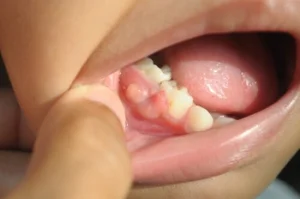 As inflammation progresses, pain persists and may become more intense. You might experience:
- Severe pain radiating to your jaw
- Difficulty opening the mouth
- Gum swelling that does not settle
- A persistent taste in the mouth
- Tooth sensitivity near surrounding teeth
When swelling persists or recurring pain develops, it is important to see a dentist. If not treated quickly, a bacterial infection in this area can extend to surrounding teeth and lead to more serious complications.
How Poor Oral Hygiene Makes It Worse
Wisdom teeth are difficult to clean, particularly if they are partially erupted or impacted. Poor oral hygiene allows plaque and bacteria to build up along the gum line and between other teeth.
Food particles trapped beneath a gum flap create the perfect environment for bacterial infection. Over time, this can contribute not only to gum inflammation but also to gum disease and tooth decay, affecting the affected tooth and nearby teeth.
Good oral hygiene plays a key role in preventing recurring pain and controlling symptoms. Brushing carefully around the wisdom tooth, flossing regularly, and maintaining consistent dental visits can reduce the risk of painful wisdom teeth.
Why Does Gum Pain Around a Wisdom Tooth Feel So Intense
When wisdom teeth emerge or try to emerge, they create pressure against surrounding teeth and gum tissue. This pressure can trigger tooth sensitivity and jaw pain.
Inflamed gum tissue becomes swollen and tender. As swelling increases, even gentle chewing can feel uncomfortable. In some cases, difficulty chewing or difficulty opening the mouth can occur.
If the affected tooth is impacted and trapped beneath the gum, pressure builds beneath the surface. This often results in persistent pain that does not fully settle with simple home remedies.
Practical Ways to Relieve Wisdom Tooth Pain at Home
While home care is not a substitute for professional treatment, there are ways to alleviate pain temporarily.
Warm Salt Water Rinses
Rinsing with warm salt water can help soothe gum inflammation and flush away food particles and bacteria. This simple method supports good oral hygiene and may reduce swelling.
Gently swish warm salt water around the wisdom tooth area several times a day, especially after meals.
Cold Pack for Swelling
Applying a cold pack to the outside of the cheek can counter pain and reduce gum swelling. This method works by constricting blood vessels and calming inflamed tissues.
Use the cold pack for short intervals to avoid skin irritation.
Pain Relief Medications
Over-the-counter pain relief medications may help relieve wisdom tooth pain and reduce inflammation. Always follow dosage instructions and consult an appropriately qualified health practitioner if you are unsure.
Pain relief medications can make symptoms manageable while you arrange to see a dentist.
Soft Foods and Gentle Eating
When chewing becomes uncomfortable, it helps to eat soft foods. Options such as soups, yoghurt, mashed vegetables, and smoothies reduce pressure on the affected tooth.
Avoid hard or crunchy foods that could aggravate the gum tissue or force food particles under the gum flap.
When Home Care Is Not Enough: Recognising Persistent or Severe Symptoms
If severe pain develops or if pain persists beyond a few days, professional evaluation is essential. Swelling that spreads, fever, or difficulty opening the mouth are signs that a bacterial infection may be progressing.
Wisdom tooth issues left untreated can lead to:
- Spread of infection
- Damage to nearby teeth
- Increased gum disease risk
- Recurring pain
- Tooth decay in hard-to-clean areas
Seeing a dentist regularly allows early detection and prevents further complications.
What Happens at the Dental Appointment?
If you are experiencing gum pain around wisdom tooth areas, a dental visit is usually simple and focused on finding the cause quickly and safely.
Here is what you can expect.
A Quick Discussion About Your Symptoms
Your dentist will begin by asking about your wisdom tooth pain. They may ask:
- When the pain started
- Whether the pain persists or recurs
- If you have noticed swollen gums, or a bad taste in your mouth
- Any difficulty chewing or opening the mouth
This helps identify possible symptoms of pericoronitis, gum inflammation, or bacterial infection.
A Careful Examination
The dentist will assess the gum tissue around the wisdom tooth and check for:
- A partially erupted tooth with a gum flap
- Food particles trapped near the gum line
- Signs of impacted wisdom teeth
- Tooth decay or damage to nearby teeth
- Swelling persists around the lower wisdom teeth
They will assess tenderness and determine whether the affected tooth is causing pressure on surrounding teeth.
X-rays if needed
X-rays are often taken to see whether the third molars are trapped beneath bone or gum tissue. This helps confirm if the wisdom teeth emerge properly or if wisdom tooth issues, such as impaction, are present.
Discussing the Treatment Plan
After the assessment, your dentist will explain your options. These may include:
- Improving good oral hygiene if poor oral hygiene is contributing
- Warm salt water rinses and pain relief medications to alleviate pain
- Antibiotics, if there is a bacterial infection
- Wisdom tooth removal is necessary if the tooth cannot emerge properly or is causing persistent pain
If wisdom tooth extraction is recommended, your dentist will explain whether it is a simple tooth extraction or a surgical or invasive procedure, noting that any invasive procedure carries risks.
Clear Next Steps
Before you leave, you will understand the cause of your gum pain around wisdom tooth areas and what to do next. If severe pain, swelling, or recurring pain continues, prompt treatment helps prevent further complications and protects your long-term oral health.
If in doubt, see a dentist. Early care makes managing wisdom tooth pain much easier and more comfortable.
Wisdom Tooth Removal: What to Expect and Why Removal Is Sometimes Necessary
Wisdom tooth removal is often recommended when they are causing recurring pain, bacterial infection, or damage to other teeth.
If the tooth cannot emerge properly, extraction may be the most effective solution to relieve wisdom tooth pain and prevent future episodes.
Wisdom teeth removed early can reduce the risk of a complex surgical or invasive procedure later in life.
Understanding the Procedure
A wisdom tooth extraction may be simple if the tooth has fully erupted. However, impacted wisdom teeth may require a surgical or invasive procedure.
Any invasive procedure carries risks. Your dentist will explain potential complications, healing expectations, and pain relief strategies.
After tooth extraction, mild swelling and discomfort are common. Following aftercare instructions carefully supports healing and protects oral health.
Recovery and Healing After Wisdom Tooth Extraction
The First Few Days, after wisdom teeth are removed, you may experience:
- Gum swelling
- Mild jaw pain
- Tooth sensitivity in the surrounding teeth
- Difficulty chewing
Eat soft foods and avoid vigorous rinsing. Keep the area clean with gentle brushing and warm salt water once advised.
Pain relief medications and cold pack use can help alleviate pain during recovery.
Supporting Long-Term Oral Health
Removing problematic third molars can significantly reduce recurring pain and lower the risk of gum disease and tooth decay in hard-to-reach areas.
Maintaining good oral hygiene, brushing carefully along the gum line, flossing daily, and seeing a dentist regularly are essential habits for long-term comfort.
Can Wisdom Teeth Emerge Without Problems?
Not all wisdom teeth cause severe pain. Some emerge properly and align well with other teeth. However, because modern jaws are often smaller, impacted wisdom teeth are common.
Regular dental check-ups allow early monitoring. Your dentist can identify wisdom tooth issues before symptoms of pericoronitis or bacterial infection appear.
The Link Between Gum Pain and Overall Well-being
Dental pain can affect more than your mouth. Persistent pain can disturb sleep, affect concentration, and even influence mood.
Jaw pain that spreads to your jaw and face can create tension headaches. Difficulty chewing may affect nutrition if you avoid certain foods.
Taking gum pain around wisdom tooth areas seriously protects not just oral health, but overall well-being.
When Should You See a Dentist?
 You should see a dentist if:
- Pain persists for more than a few days
- Swelling persists or worsens
- You notice a persistent taste in your mouth
- Difficulty opening the mouth develops
- Severe pain interferes with daily life
- Recurring pain
An appropriately qualified health practitioner can assess the affected tooth and determine whether monitoring or wisdom tooth extraction is necessary.
Final Thoughts: Do Not Ignore Gum Pain Around Wisdom Tooth Areas
Gum pain around wisdom tooth regions is your body’s way of signalling that something needs attention. Whether it is a partially erupted tooth, trapped food particles, gum inflammation, or impacted wisdom teeth, early action prevents further complications.
Warm salt water rinses, a cold pack, soft foods, and appropriate pain relief medications can provide temporary comfort. But if pain persists or symptoms of pericoronitis appear, professional evaluation is the safest step.
Wisdom teeth may be the last of your adult teeth to emerge, but they should not be the cause of ongoing discomfort. With timely care, good oral hygiene, and appropriate treatment, you can relieve wisdom tooth pain and protect your long-term oral health.
If you are unsure about your symptoms, do not delay seeking professional advice.
Contact Boutique Dental Care on (02) 9054 5281 to have the area carefully assessed. Early treatment of wisdom tooth issues can help prevent bacterial infection, protect surrounding teeth, and keep your smile healthy and comfortable for years to come.
Note: Any surgical or invasive procedure carries risks. Before proceeding, you should seek a second opinion from an appropriately qualified health practitioner.
References
- Medical News Today. (n.d.). Why do wisdom teeth cause problems? Medical News Today. https://www.medicalnewstoday.com/articles/321438
- Healthline. (n.d.). Salt water rinse: Benefits, how to use, and safety. Healthline. https://www.healthline.com/health/dental-and-oral-health/salt-water-rinse
- Cleveland Clinic. (n.d.). Impacted wisdom teeth. Cleveland Clinic. https://my.clevelandclinic.org/health/diseases/22296-impacted-wisdom-teeth
- Colgate. (n.d.). How poor dental care can affect your overall health. Colgate Oral Health. https://www.colgate.com/en-us/oral-health/gum-disease/how-poor-dental-care-can-affect-your-overall-health
- MouthHealthy. (n.d.). Wisdom teeth. American Dental Association. https://www.mouthhealthy.org/all-topics-a-z/wisdom-teeth