
After a tooth extraction, it’s common to feel ready to get back to training before knowing whether your mouth has healed enough to handle strain. You may feel physically fine while still wondering whether your mouth is ready for strain. The concern is not about fitness itself but about how exertion interacts with healing. Even small disruptions early on can affect comfort later. Understanding what is happening beneath the surface helps you decide when to pause, when to move, and when to return gradually, without turning recovery into a setback or unnecessary bleeding.
What Happens In Your Mouth After A Tooth Extraction
Healing inside your mouth follows a precise sequence, and knowing this timeline explains why physical strain matters more than it first appears.
 Blood Clot Stability Sets The Early Healing Stage
 Blood Clot Stability Sets The Early Healing Stage
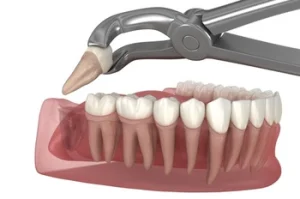
After a tooth extraction, the body responds immediately by creating a blood clot at the extraction site. This clot protects exposed bone and nerves while sealing the opening created during oral surgery. Blood clot formation is not optional. It is the foundation of the entire healing process. If this clot shifts or dissolves too early, discomfort escalates quickly. Your body treats this area as an active repair zone, even if the rest of you feels ready to move.
Pressure Changes Affect The Extraction Site
Inside the surgical site, pressure changes influence healing more than visible movement. Activities that alter internal pressure can disturb the clot and delay proper healing. Increased strain affects blood flow, especially in areas where tissue is still fragile. During this phase, the body is laying down new tissue, which needs a calm environment to attach securely. Disruption here often exposes exposed nerves, making recovery feel harder than expected.
Inflammation And Tissue Repair Progress Gradually
Inflammation is part of recovery, not a sign of failure. Around the extraction area, swelling supports repair by delivering nutrients and immune support. This stage involves ongoing tissue manipulation at a microscopic level. The surrounding teeth and jaw respond as part of a connected system. While you may feel capable physically, your body is still prioritising repair locally. Rushing past this phase often leads to frustration rather than progress.
Healing Speed Varies Between Simple And Surgical Extractions
Not all extractions heal at the same pace. Removing a loose tooth differs greatly from wisdom tooth removal or situations where wisdom teeth extracted required sectioning or bone adjustment. Complex wisdom tooth extractions take longer because deeper tissue is involved. Factors such as how many teeth were removed and whether dental implants are planned later also influence recovery. Healing is individual, shaped by structure and overall health, not just time passed.
Why Lifting Weights Too Soon Can Cause Problems
Exercise itself is not harmful, but timing matters when recovery is still underway.
Increased Blood Pressure Can Disrupt Healing
When you begin lifting weights, the body responds by raising blood pressure and heart rate. Heavy exertion, especially heavy lifting, can increase blood pressure sharply. This rise affects the fragile clot and surrounding tissue. Activities classified as strenuous exercise, vigorous activities, or high-intensity workouts place added stress on healing structures. Even brief strain can undo progress made quietly during rest.
Jaw Clenching During Lifts Adds Local Stress
Weight training often involves unconscious jaw tension. Clenching during intense workouts transfers force directly to the jaw and socket. This pressure increases the risk of dry socket, a painful condition linked to clot loss. The result may include severe pain, increased pain, or sensitivity that feels out of proportion to the activity performed. What feels minor in the gym can translate into discomfort at the mouth.
Dry Socket Risk Rises With Early Strain
Strain increases the chance of clot disruption, leading to excessive bleeding or increased bleeding after activity. Without the clot, healing slows and discomfort intensifies. Slow healing can also open the door to infection or exercise-related injuries elsewhere due to altered movement patterns. Some notice difficulty talking or jaw fatigue during this phase. Activities such as contact sports increase risk even further and should be avoided early on.
Returning To Weight Training Without Compromising Healing
Getting back to movement works well when you listen to timing rather than pushing through signals.
Light Activity Feels Different From Heavy Lifting
Gentle physical activity supports circulation without disrupting healing. Exercise does not need to stop completely if it remains controlled. Light exercise, such as brisk walking, allows movement without stress. These forms of light activity help maintain routine while respecting healing boundaries. The difference lies in intensity, not intention. Many find these movements help ease stiffness without drawing attention to the mouth. The goal is to stay active without introducing strain that the healing area is not ready to manage.
Signs Your Body Gives When Rest Is Still Needed
 Signs Your Body Gives When Rest Is Still Needed
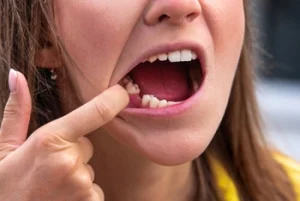
Your mouth communicates clearly if there is too much strain. Increased soreness, warmth, or pressure suggests the need to stop exercising. If pain escalates suddenly, stop immediately. Choosing complete rest for a short period often prevents longer delays later. These reactions are not setbacks but feedback. Ignoring these signals can extend recovery rather than shorten it. Responding early often allows a smoother return to activity later on.
Gradual Weight Progression Protects The Site
Once the first week passes, some return to movement cautiously. For many, one week marks a transition point, not a finish line. Adding light weights before heavier loads allows tissue to adapt. Waiting a few more days can make the difference between steady progress and discomfort. This approach respects the recovery timeline rather than fighting it. Slow increases give the body time to adjust without sudden pressure changes. Patience here often prevents interruptions to training plans down the track.
Dentist Advice Matters More Than General Timelines
Online advice often relies on general timelines, but your recovery process may differ. Surgical complexity, bone response, and whether dental implants are planned affect guidance. Asking when to exercise sooner or when to hold back helps clarify expectations. Personalised advice carries more weight than comparisons.
A short discussion can highlight factors that are easy to overlook on your own. This guidance helps remove uncertainty when deciding how quickly to increase activity.
Training Modifications During The First Few Weeks
Returning safely means adjusting goals. Many choose to resume exercising with reduced load, then gradually return to full training. Avoid movements that strain the jaw and avoid pushing through discomfort. Cooling with an ice pack may provide relief after activity. Soft nutrition choices, including eating soft foods, support healing alongside movement.
Smaller changes to routine often make training feel manageable rather than frustrating. These adjustments keep progress moving while giving the mouth space to settle.
A Safer Path Back To Physical Activity With Us
 Healing after dental care is about balance. Allowing the site to heal properly helps the mouth fully heal without setbacks, especially during this crucial period. Paying attention to the proper amount of activity protects progress already made and supports a steady return to your normal routine. Watching for your body’s signals helps prevent frustration and supports a smoother recovery. If uncertainty remains about when to start exercising, visiting our clinic allows you to receive guidance tailored to your situation. You are welcome to contact us on (02) 9054 5281 to discuss your recovery and next steps.
Note: Any surgical or invasive procedure carries risks. Before proceeding, you should seek a second opinion from an appropriately qualified health practitioner.
References
https://my.clevelandclinic.org/health/treatments/22120-tooth-extraction
https://medlineplus.gov/ency/article/007630.htm#