
Composite veneers become part of your everyday routine faster than you expect. You brush, rinse, and move on, often using the same toothpaste you have always reached for. Over time, it makes sense to wonder whether that familiar choice still suits what is now in your mouth. Veneers are designed to blend in, not to demand special attention, yet they do interact differently with daily care. Toothpaste is one of the few products that comes into contact with them twice a day, every day. Here, we discuss what to consider when choosing a toothpaste that works well with composite veneers.
Why Toothpaste Choice Matters When You Have Composite Veneers
The toothpaste you reach for each day plays a quiet role in how your veneers age, feel, and sit alongside your natural smile.
Composite Surfaces Interact Differently Than Enamel
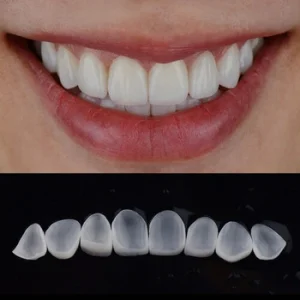
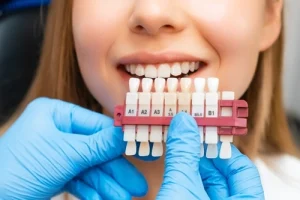 If you have veneers, you already know they are not the same as untouched enamel. Composite surfaces behave differently because composite resin responds to friction, moisture, and cleaning agents in its own way.
Where natural enamel is dense and mineral-based, veneer surfaces are shaped and held in place through composite bonding. That difference affects how pressure and ingredients interact during brushing. The bonded areas where the veneer meets your tooth are especially sensitive to repeated wear.
Toothpaste that feels fine on natural teeth can slowly change the feel or finish of bonded teeth if the formula is too aggressive. These changes are gradual, but they matter because the surface does not regenerate in the same way enamel does. Choosing with intention protects both comfort and appearance.
Daily Cleaning Influences Long-Term Appearance
Your daily routine shapes how veneers settle into everyday use. Toothpaste comes into contact with the surface far more often than professional tools ever will. Over time, even small interactions influence the tooth structure beneath the veneer and the surrounding teeth. In the context of cosmetic dentistry, long-term appearance depends on consistency rather than intensity.
A product that cleans without stressing the bonding material helps maintain balance between veneer surfaces and the rest of your mouth. This approach supports stable colour and texture while keeping brushing comfortable. It also helps align your home care with broader oral health goals rather than working against them through unnecessary abrasion.
What Toothpaste For Veneers Needs To Do Daily
Composite veneers are part of broader cosmetic dental work, not an isolated layer. The toothpaste you use influences how well this dental work integrates with daily habits. A thoughtful choice reduces unnecessary friction at the margins and supports overall oral health without drawing attention to the veneer itself. When surface stability is protected, veneers tend to feel more natural during normal routines like eating or speaking. This quiet consistency is often what keeps long-term care feeling simple rather than demanding.
What To Look For And What To Avoid In Toothpaste Ingredients
Once you understand why toothpaste choice matters, the next step is knowing how ingredients interact with composite veneers on a day-to-day basis.
Abrasive Levels Shape Composite Surface Wear
Not all toothpastes clean in the same way. Many regular toothpastes rely on a scrubbing action, which can be an issue for veneers. Composite surfaces respond poorly to repeated friction, especially when exposed to abrasive toothpaste or formulas containing abrasive ingredients. Over time, this wear can change how the surface feels and how light reflects across it.
Ingredients with a high relative dentin abrasivity score increase this risk, even if they are marketed as gentle. Choosing a low-abrasive formula helps preserve surface texture and reduces unnecessary stress on veneer margins. When abrasion is kept in check, veneers tend to remain more consistent in appearance and comfort.
Why Non-Abrasive Fluoride Toothpaste Supports Veneers
While veneers cover the visible surface, the surrounding tooth structure still needs protection. A fluoride toothpaste supports enamel next to veneers and plays a role in cavity prevention for uncovered areas. This matters because veneers do not seal off the entire tooth.
Products described as non-abrasive toothpaste offer protection without aggressive polishing. In contrast, some abrasive toothpaste options combine fluoride with scrubbing agents, which can undermine surface stability. A balanced approach supports teeth around veneers without compromising the composite material itself.
Whitening Claims Affect Colour Balance
 Whitening language deserves careful attention. Whitening toothpastes are designed for enamel, not composite. Ingredients such as hydrogen peroxide, carbamide peroxide, or other whitening agents do not lighten composite material in the same way they affect enamel. Instead, they may unevenly affect surrounding teeth, creating contrast rather than uniform colour.
Harsh whitening agents can also dry or roughen veneer surfaces. This does not improve appearance and may increase plaque retention. Veneers benefit more from gentle cleaning than active whitening formulas.
Foaming And Additives Influence Daily Comfort
Foaming agents and additives influence how toothpaste feels during use. Some formulations include strong detergents that can irritate soft tissues or contribute to dryness. For those prone to dry mouth, these ingredients may increase discomfort and affect how veneers feel throughout the day.
Toothpaste designed for use with veneers often limits unnecessary additives and focuses on controlled cleaning. Comfort during brushing matters because it encourages consistent care without overcompensating through pressure.
pH Balance Matters at Veneer Margins
Acidic environments place stress on both enamel and composite interfaces. Ingredients linked to acid erosion can affect the junction where the veneer meets the tooth. Over time, this may influence how securely the surface feels, particularly around bonded edges.
Neutral or balanced formulas support healthier conditions at these margins. This helps protect the transition between veneer and tooth without drawing attention to that boundary during daily routines.
Ingredient Simplicity Reduces Long-Term Risk
Toothpaste does not need an extensive ingredient list to be effective. Simpler formulations often reduce exposure to harsh abrasives, unnecessary polishers, or reactive compounds. Ingredients such as hydrated silica can vary widely in abrasiveness depending on formulation. When combined with baking agents like baking soda, the overall effect can become unpredictable. Choosing products described as non-abrasive helps limit this risk and supports steadier long-term outcomes.
Abrasive Particles Change Surface Texture Over Time
Repeated exposure to abrasive particles gradually alters composite surfaces. This can make veneers feel less smooth and more prone to holding stains. Over time, this affects how easily they clean and how they sit alongside natural enamel. Selecting the right toothpaste reduces this cumulative wear and supports a more predictable maintenance routine.
How Your Brushing Habits Influence Veneer Longevity
Ingredients matter, but the way you brush each day has just as much influence on how veneers hold up over time.
Brushing Pressure Changes Surface Wear
It is easy to assume a firmer approach cleans better, yet pressure often causes more harm than help. Veneers respond well when you brush gently, allowing the bristles to do the work without grinding against the surface. Excess force can accelerate wear, especially near margins, and may contribute to uneven texture over time. A lighter touch also helps protect surrounding areas that may already feel tender. This approach supports comfort while keeping cleaning effective rather than aggressive.
Brush Design Shapes Daily Cleaning Results
The brush itself plays a quiet role in veneer care. A soft-bristled toothbrush flexes around contours instead of scraping across them. Many dentists recommend you use a soft-bristled option because it adapts better to both veneers and natural tooth edges. An electric toothbrush can also be useful when pressure control is consistent, as the motion is designed to lift debris without harsh contact. The key is choosing a design that encourages steady movement rather than scrubbing.
Timing Your Routine Around Meals Matters
Brushing immediately after acidic foods or drinks can place stress on vulnerable surfaces. Giving saliva time to neutralise acids supports surface stability, particularly if you are prone to dry mouth. Waiting a short period allows enamel and composite interfaces to settle before cleaning begins. This timing helps reduce unnecessary wear while still addressing food particles before they linger too long.
Consistency Supports Stable Results
Regular brushing supports your ability to remove plaque before it hardens or causes irritation. Over time, consistent care helps limit surface stains that can cling to roughened areas. Good habits also reduce the likelihood of gum issues, which can affect how veneers sit at the margins. When routines are steady, it becomes easier to keep teeth healthy without compensating through pressure or overbrushing.
When Sensitive Teeth Change How Brushing Feels
If you notice tenderness or discomfort, it may be linked to sensitive teeth or changes around the veneer edges. Sensitivity often signals the need to adjust technique rather than push through discomfort. Listening to these cues helps refine your routine and protects veneers from unnecessary stress.
Daily Cleaning Routines That Support Veneer Appearance
Daily habits shape how veneers settle into long-term use, often more than occasional professional input.
Flossing Protects Veneer Margins
Brushing alone does not reach every area where plaque can gather. The narrow spaces between veneers and neighbouring surfaces benefit most when you floss daily with a steady, careful approach. Flossing supports proper care at the margins, where buildup tends to hide and irritation can start quietly.
When these areas stay clean, veneers tend to feel more comfortable during eating and speaking. This habit also supports cavity prevention around uncovered edges, where natural structure still needs protection. Over time, consistent flossing helps maintain clean transitions without drawing attention to the join between veneer and tooth.
Hydration And Saliva Support Surface Health
 A well-hydrated mouth creates conditions that support everyday maintenance. Saliva plays a role in buffering acids and supporting surface stability, which is especially helpful for those managing veneers alongside natural tooth structure. Adequate hydration supports routines that prevent cavities by reducing dryness and limiting plaque adhesion.
In this environment, toothpaste and brushing work more effectively without the need for added pressure. Saliva also contributes to mineral balance, helping to strengthen enamel on uncovered areas and support comfortable daily care. These small factors combine to reduce wear and make upkeep feel less demanding.
Diet Choices Affect Surface Stability
What you eat influences how veneer surfaces respond over time. Foods that cling or linger increase cleaning demands, while balanced choices reduce residue and support smoother routines. Paying attention to texture and timing supports habits that align with long-term maintenance rather than quick fixes. When daily choices are consistent, veneer care becomes part of routine hygiene rather than a separate task. This steady approach supports appearance and comfort while keeping daily maintenance predictable.
Why Toothpaste Recommendations May Change Over The Years
Advice about toothpaste often shifts long after veneers are placed, and that change can feel unexpected. Composite materials age in quiet ways, even with careful habits. Over time, the surface can lose some of its original smoothness, which alters how it responds to everyday contact. Small changes in texture may influence comfort, taste, or how clean your mouth feels after brushing.
Your mouth also changes independently of the veneers. Gums can recede slightly, saliva flow may reduce, and sensitivity can appear where none existed before. These shifts alter what feels comfortable during brushing, even if the veneer itself looks unchanged. What once felt fine may begin to feel irritating or ineffective.
Professional guidance evolves alongside these changes. Recommendations are adjusted to match current conditions, not past ones. Reviewing toothpaste choices during regular check-ups helps align daily care with how your mouth functions now, not how it did years earlier.
Talk With Us About What Works For Your Veneers
Choosing the right toothpaste supports how your composite veneers feel and perform over time. Small daily decisions often make long-term care simpler and more predictable. If you are unsure whether your current routine suits your veneers, a professional review can provide clarity without guesswork. Visiting our clinic allows you to discuss veneer care in the context of your broader oral health and existing dental work. With tailored guidance, daily maintenance becomes easier to manage and more comfortable. To book a visit or ask questions about caring for your composite veneers, please contact us on (02) 9054 5281.
References
https://www.webmd.com/oral-health/veneers
https://www.healthline.com/health/composite-veneers