
Bad breath can be unsettling, especially when it lingers despite daily care. You might notice a change first thing in the morning, after meals, or during conversations where you suddenly become more aware of your breath. This guide looks closely at what causes breath issues, how everyday habits influence them, and when professional support helps keep things on track.
Signs That Suggest Breath May Need Attention
Noticing changes early can help you respond before the issue becomes persistent.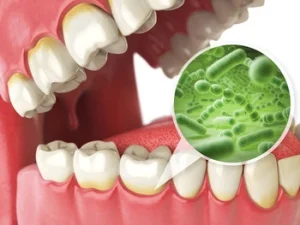
- A lingering taste that does not clear easily: You may notice a stale or metallic taste that returns soon after eating or brushing, even when your mouth feels otherwise clean.
- Breath changes during conversation: Becoming aware of your breath while speaking, especially in close settings, can signal an underlying issue rather than a one-off moment.
- Dry or coated feeling on waking: Waking with a heavy or coated mouth sensation that lasts well into the morning can point to a developing concern.
- Comments or subtle cues from others: Occasional reactions, distance, or changes in how others engage can sometimes be the first external signal.
- Odour returning quickly after routine care: If freshness fades soon after your usual cleaning routine, it may suggest something is being missed rather than done incorrectly.
What Causes Bad Breath to Develop
Understanding where odour begins makes it easier to address the right source rather than guessing.
Bacteria Collecting on the Tongue
The surface of the tongue can hold odour-causing bacteria, especially when the coating is thick or uneven. These microbes break down amino acids and release an unpleasant smell that can linger. Without regular tongue cleaning, even careful brushing can miss this area. Using a tongue scraper or remembering to clean your tongue gently can help remove bacteria before it builds up.
Reduced Saliva During the Day or Night
Saliva plays a key role in washing away debris and neutralising acids. When saliva production slows, smells become stronger and harder to mask. This often explains morning breath, when the mouth dries out overnight. Dry mouth can also appear during long conversations or periods of stress. Drinking water, staying hydrated, and chewing sugar-free gum to produce saliva can help restore balance.
Food Debris Remaining After Meals
Small food particles can become trapped between teeth or along the gum line. Trapped food breaks down over time and feeds bacteria, leading to odour. This is more common when brushing and flossing are rushed or skipped. Flossing helps remove debris that brushing alone cannot reach, especially around tight spaces.
 Gum Conditions Affecting Odour
 Gum Conditions Affecting Odour
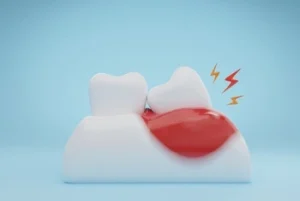
Swollen gums, toothache, or bleeding can signal gum disease, which often brings a persistent smell. Gum infection creates pockets where bacteria thrive, making breath harder to manage. Poor dental hygiene and plaque buildup increase this risk. Addressing gum issues early protects both breath and long-term oral health.
Tobacco Use Affecting Breath
Smoking leaves residue on the tongue, teeth, and gums that lingers long after use. It dries the mouth, reduces saliva, and creates conditions where odour builds more easily. Over time, smoking also raises the risk of gum disease and infection, which can deepen breath concerns rather than mask them. Even careful brushing may not fully counter these effects while tobacco use continues.
Medical Factors Linked to Breath Changes
Some medical conditions influence breathing without obvious dental signs. A health condition affecting digestion, sinuses, or metabolism may change how your breath smells. Halitosis depends on identifying whether the cause sits inside the mouth or elsewhere. When breath issues persist despite good care, medical conditions may need consideration.
Daily Habits That Reduce Bad Breath
Small, consistent habits often make a significant difference over time.
Consistent Brushing at the Right Times
Brushing twice a day helps disrupt bacteria before it settles. Use a soft-bristled toothbrush and fluoride toothpaste, paying attention to the teeth and gums rather than rushing through. Brush your teeth after waking and before bed, focusing on gentle pressure rather than force. Poor oral hygiene often shows up first in breath quality.
Tongue Cleaning as a Regular Step
Tongue cleaning removes bacteria that brushing misses. A scraper or the back of a toothbrush works when used gently. This step helps prevent bad breath linked to surface buildup and reduces odour that a mouth rinse alone cannot fix.
Water Intake Supporting Saliva Flow
Saliva protects the mouth by washing away bacteria. When you drink plenty of water, saliva moves more freely and helps remove bacteria before they cause odour. Aim for steady hydration across the day rather than large amounts at once. More saliva means fewer lingering smells.
Food Choices That Leave Less Residue
Strong-smelling foods like garlic and spicy foods can affect breath long after eating. Some foods cling to surfaces or release oils that linger. Balancing these with fresh produce and rinsing your mouth after meals can help. Other foods may also contribute, especially when combined with dry mouth.
Managing Dry Mouth During Sleep
Sleeping with an open mouth or using mouth guards can increase dryness overnight. Keeping water nearby and avoiding alcohol before bed may reduce dryness. Dry mouth raises the risk of odour because bacteria multiply more easily without saliva.
Professional Support for Long-Term Breath Control
When home care does not resolve concerns, professional guidance adds clarity.
Dental Checks Identifying Hidden Issues
Regular dental check-ups allow a dentist to spot early signs of tooth decay, gum disease, or infection that may affect breath. These visits help catch issues before they become harder to manage. A dentist can also assess whether poor oral habits or structural issues play a role.
Targeted Cleaning Supporting Freshness
Professional cleaning removes plaque buildup from areas you cannot reach at home. This reduces the bacteria responsible for halitosis and supports healthier teeth and gums. Cleaning appointments are part of prevention, not just treatment.
Advice Matched to Your Routine
 Everyone’s routine differs. A dentist can suggest changes that fit how you eat, work, and care for your mouth. This might include adjusting brushing technique, reviewing flossing habits, or choosing products that suit your needs.
Bad breath is rarely random. It often reflects how bacteria, saliva, foods, and daily habits interact inside the mouth. By maintaining good oral hygiene, staying aware of changes, and seeking guidance when needed, you can keep your breath fresh and your confidence steady through everyday interactions.
Let’s Address Your Breath Concerns Together
If breath issues have been lingering or returning despite your efforts, a closer look can bring clarity and relief. At our clinic, we focus on understanding what is happening in your mouth rather than masking symptoms. A thorough review allows us to identify contributing factors and discuss practical treatment options that suit your routine. Addressing concerns early helps protect comfort, confidence, and ongoing oral health. If you would like personalised support or a professional assessment, we are here to help. Call our dental practice on (02) 9054 5281 to book a visit and take the next step with us.
References
https://www.ncbi.nlm.nih.gov/books/NBK534859/
https://my.clevelandclinic.org/health/diseases/17771-bad-breath-halitosis