

Some denture wearers discover early on that the challenge is not the denture itself, but whether their mouth has enough structure to hold it comfortably. If you have ever wondered why it feels harder for you than others, the phrase “not enough gum for dentures” can suddenly make everything click into place.
A smile supported by gums that no longer provide the same height or cushioning behaves differently, which can leave you questioning what is happening and why. Subtle shifts in gum tissue shape can influence comfort far more than many expect.
Before discussing what you can do about it, it helps to understand what reduced gum support reveals about long-term changes inside the mouth, especially when periodontal disease has played a role over time.
Why Some Denture Wearers Feel They Don’t Have Enough Gum Support
How Natural Gum and Bone Changes Reduce the Foundation Over Time
Gum tissue responds to age, daily habits, and long-term changes below the surface. When tooth roots no longer stimulate the bone, areas once firm may gradually shrink. This shift can affect how conventional dentures rest, especially if receding gums alter the way pressure is distributed across the ridge.
Bone density naturally decreases in some mouths, which leaves less height within the jaw bone for false teeth to stabilise against. Many denture wearers first notice the change as a softer or flatter surface where their dentures used to grip well. These adjustments occur slowly, yet they strongly influence whether you feel your dentures fit properly, particularly if missing teeth contributed to earlier bone changes.
When Past Tooth Loss Changes the Shape of the Ridge
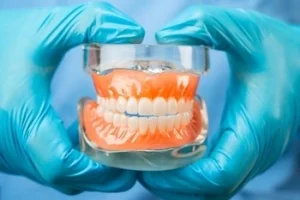 Losing a few teeth often changes the shape of the jaw in ways that continue long after healing appears complete. Tooth loss creates areas where bone damage tends to be more prominent, and this can lead to a lower ridge that offers limited gum tissue for wider appliances to rest on.
Even partial dentures depend on anchor teeth for balance, and when those anchors weaken or shift, gum support may feel inconsistent. For some, the challenge becomes more noticeable when receding gums present new curves or dips that no longer match the shape of a fitted denture.
How Long-Term Denture Wear Influences Gum Height and Stability
Wearing dentures day after day places mild pressure on the same areas repeatedly. Over many years, the gum for dentures may thin slightly, especially when underlying bone changes continue. Insufficient gum tissue affects stability by changing how the denture base makes contact. This can also influence gum health, because irritated gums are more sensitive to small movements.
If you experience gum recession that progresses quietly, your ridge may feel flatter than it did when your dentures were first made. Noticing these changes is often the first sign that the mouth needs a new approach rather than simply a new appliance.
5 Signs That Limited Gum Support Is Affecting Your Denture Fit
Dentures That Shift or Rock More Than Expected
- A denture that tilts during chewing may indicate that adequate gum tissue is not available to stabilise the appliance.
- Rocking that returns throughout the day often signals that the ridge height can no longer counter small forces created by eating.
- A denture that drops slightly when you smile or speak suggests that enough gums are not present to support movement.
Tender Spots That Develop After Short Periods of Wear
- Gum irritation that appears early in the day may reflect pressure points created by limited gum tissue.
- Tender areas near the edges of fitted dentures often develop when the denture base presses harder than intended.
- Increasing soreness around thin gum tissue can make wearing dentures feel more tiring than before.
Difficulty Keeping the Denture Steady While Eating
- Sudden slipping when biting into soft foods may show that the denture does not have adequate gum tissue beneath it.
- Trouble maintaining balance during meals occurs more often when insufficient gum tissue reduces friction.
- A denture that shifts when handling side-to-side chewing often indicates the ridge has changed shape.
Edges That Rub Against the Cheek or Lip Folds
- Rubbing that develops along the sides frequently appears when the gum support no longer matches the contour of the denture base.
- Red marks after wear may show where receding gums fit dentures differently than before.
- Irritation that increases after long wear suggests limited gum tissue is influencing the path of movement.
A Feeling That the Denture Drops When Speaking
- A slight drop mid-sentence often relates to insufficient gum tissue beneath the appliance.
- Air escaping under the denture during speech signals that the ridge is not filling the space it once did.
- Sudden looseness when moving the jaw may indicate that the denture hooks have less support to anchor against.
What You Can Do When There Isn’t Enough Gum for Dentures
Choose Soft Liner Materials for Gentler Support
When gum support lessens, softer internal surfaces can reduce friction. Soft liners adapt gently to limited gum tissue and may reduce discomfort where receding gums affect how tightly the appliance sits. These liners adjust to subtle shifts in shape, which helps denture wearers feel less pressure during daily use. For some, this approach becomes a calming step while the mouth adjusts to further change.
Improve Fit Through a Targeted Relining Appointment
Relining modifies the internal surface of the appliance so that dentures that fit receding gums feel more natural again. A dentist may recommend denture relining when thin gum tissue affects balance or when the denture base no longer matches the ridge. This method can help fitted dentures regain contact without adding bulk. Relining may also reduce discomfort in sore areas by spreading pressure more evenly.
Explore Implant Support When Stability Is Limited
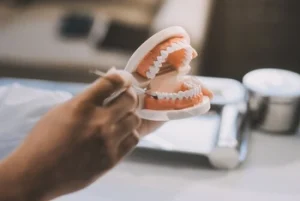 For mouths with significant change, implant-supported dentures provide a different style of anchorage. Dental implants can stabilise false teeth when not enough gum exists for conventional designs. This support reduces movement caused by insufficient gum tissue and may feel reassuring for those experiencing repeated denture pain.
While the approach involves surgical treatments like bone grafting or gum grafting in some cases, it creates a more predictable foundation when gums alone cannot provide a firm base. This may be considered as part of broader denture options when gum tissue is limited.
Strengthen Your Foundation With Daily Care Habits
Good oral hygiene supports overall oral health and protects against advanced gum disease that could cause further gum recession. Using a soft-bristled toothbrush prevents aggressive tooth brushing from creating new sore areas. Keeping dentures clean reduces food particles that may irritate the limited gum tissue.
A healthy mouth that stays free from gum disease protects the remaining support you have, helping your mouth adjust with fewer complications. Addressing underlying health conditions that influence gum tissue stability may also help you maintain adequate gum tissue over time. Avoiding tobacco products may also help protect the soft tissue from further irritation.
Move Forward With Solutions That Support Comfortable Denture Wear
 When limited gum support begins to affect daily comfort, small strategic changes often make the biggest difference. Approaches that protect tender areas, encourage steadier contact, and address long-term ridge changes help you regain ease with your dentures, especially when sufficient gum tissue is harder to maintain.
A calm conversation with our dental professional can clarify which options match your mouth’s needs and what adjustments may help you feel steadier, particularly if poor oral hygiene or changes that are left untreated could influence how your dentures sit.
If you would like guidance tailored to your situation, we welcome you to visit our dental clinic, even if concerns such as loose teeth have added to the difficulty. To arrange an appointment, contact our dental practice here in Chatswood at (02) 9054 5281.
References
https://www.webmd.com/oral-health/receding_gums_causes-treatments
https://pmc.ncbi.nlm.nih.gov/articles/PMC5903182/