

If you’ve started Invisalign treatment, you might be wondering why your mouth feels a little tender. It’s completely normal to notice slight pressure or tightness when you first wear your aligners. Every new set brings subtle movement, and that’s how straightening teeth works effectively. But feeling discomfort doesn’t mean something’s wrong; it’s simply your mouth adjusting. You might not realise it now, but these small sensations often fade quickly once your mouth settles into its new rhythm. Like other clear aligners, progress comes from gentle, staged forces rather than sudden movement. Let’s look at how to stop Invisalign pain, when to expect relief, and what to do if things still feel uncomfortable.
Why Invisalign Can Feel Uncomfortable at First
Some sensitivity during Invisalign treatment is part of your body’s natural adjustment. Each aligner is designed to move your teeth slightly, which means a little pressure at first. Understanding what’s happening helps you stay patient, manage expectations, and avoid unnecessary concern.
How Pressure from New Trays Affects Teeth
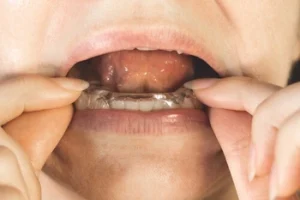 Each new set of Invisalign trays applies light, controlled pressure on your teeth. This pressure on your teeth signals them to shift into a new position, guiding movement safely over time. During the initial adjustment period, Invisalign aligners apply planned forces that guide tooth movement while tissues adapt. For the first day or two, your mouth might feel tighter or you might notice mild discomfort when biting down. That’s a sign the treatment process is progressing as planned. Most patients find that the feeling eases within days as their mouth adjusts. Chewing gently on aligner-seating chewies can help your trays fit snugly, improving comfort faster. Aligner chewies are small, soft cylindrical cushions made from medical-grade silicone.
Why Aligner Edges Sometimes Irritate Gums
Sometimes sharp edges or seams from your aligner tray can irritate the soft tissue near your gums or cheeks. These tiny spots can cause gum pain or mild rubbing when you talk or eat. Your dentist can easily smooth these edges or recommend orthodontic wax to cushion them. Using the wax on any rough areas protects your mouth and allows you to wear aligners longer without irritation. Edges that lift or flex can rub the cheek lining, causing discomfort if not smoothed promptly. If you notice morning tightness or clenching, mention any Invisalign jaw pain at your next review.
Understanding Normal Soreness vs. Concerning Pain
It’s common to wonder if your Invisalign discomfort is normal. Generally, temporary discomfort means your aligners are doing their job, gently shifting teeth into alignment. If you feel tooth pain that seems sharp, constant, or throbbing, it might need professional review. Persistent soreness or jaw pain that doesn’t improve after a few days should always be checked by your dentist. Tell your dentist about any pain or discomfort that lingers or worsens rather than settling within a couple of days. If you find Invisalign hurts more than expected, arrange a quick check so they can adjust your plan.
Simple Techniques to Relieve Invisalign Pain at Home
Relieving soreness from Invisalign doesn’t always require medication or appointments. You can often manage tenderness with easy routines and small adjustments at home. Learning what helps early makes the entire experience smoother.
Using Cold Compresses and Over-the-Counter Relief
Cold temperatures help ease inflammation and reduce tenderness. Hold a wrapped pack or a few ice cubes to the cheek in short intervals to ease tenderness. A cold compress applied to your cheeks for short intervals can calm aching muscles and gums. Some people also drink cold water to reduce heat and swelling naturally. If you experience temporary pain that feels uncomfortable, over-the-counter medication can provide short-term pain relief. Always follow your dental professional’s guidance before taking anything new. Cooling sensations can even temporarily numb sore areas while your mouth adjusts to your new aligners.
Eating and Drinking Habits That Minimise Tenderness
What you eat during the initial adjustment period can influence your comfort. Stick with soft foods such as soups, mashed vegetables, or yoghurt while your mouth adjusts. Avoid sticky or chewy foods that can pull at the aligners or cause strain. Crunchy foods should also be limited for the first couple of days with a new set of aligners. Choosing easy textures helps your mouth settle faster. Switching to soft foods for 24–48 hours after a new set of aligners can minimise discomfort while tissues settle.
When to Seek Professional Help for Invisalign Discomfort
While short-term tenderness is expected, ongoing pain or sudden soreness isn’t something to ignore. Your dentist can help identify whether it’s part of the normal process or something that needs attention. Recognising these differences helps you avoid unnecessary pressure and maintain confidence throughout your Invisalign journey.
 Signs Your Aligner Fit Might Need Adjustment
 Signs Your Aligner Fit Might Need Adjustment
Sometimes discomfort comes from an aligner that isn’t sitting quite right. If one edge presses more firmly on a specific spot or causes mouth sores, it might need slight refinement. A quick check with your Invisalign provider ensures the trays fit evenly across your teeth and gums. They can reshape the aligner edge or verify your bite alignment if needed. It’s always better to address small fit issues early before they irritate the gums further.
How Your Dentist Can Help Manage Ongoing Pain
If Invisalign pain lasts longer than expected, your dentist can suggest ways to manage discomfort without disrupting your progress. They may review your aligner tray sequence to confirm that tooth movement is progressing safely. Sometimes spacing adjustments or wearing aligners for shorter intervals initially helps you adapt. Dentists can also recommend aligner accessories that protect soft tissues during use. Your Invisalign provider can adjust fit or timing to alleviate discomfort without interrupting your treatment process.
Recognising Unusual Swelling or Persistent Pressure
If you notice swelling around the gums, pain when biting, or heat from specific areas, it could indicate more than regular adjustment soreness. In rare cases, gum disease or an infection may develop if food particles remain trapped under the trays. Inflammation associated with Invisalign is uncommon when proper oral hygiene is maintained throughout. Good cleaning limits the build-up that can lead to tooth decay or other complications. Always visit your dentist if pain persists or worsens, as early attention protects your oral health and overall comfort.
Maintaining Long-Term Comfort Throughout Invisalign Treatment
Once you move past the initial adjustment period, maintaining comfort becomes easier with consistent care. Most patients adapt quickly when they understand how to manage small irritations and keep aligners clean. Ongoing awareness helps prevent new soreness later in the treatment process.
Cleaning and Caring for Aligners to Prevent Irritation
Keeping aligners clean reduces bacteria that can irritate gums and cause bad breath. Brush them gently using a soft toothbrush and lukewarm water each time you remove them. Avoid hot water, which can warp the dental aligners and affect the fit. Regular cleaning prevents irritation and keeps aligners clear. Establishing a quick cleaning routine ensures your trays stay hygienic and your mouth remains comfortable. Consistent care supports your oral health and reduces odours while wearing Invisalign.
Building a Consistent Routine for Ongoing Comfort
Good oral hygiene supports not just clean aligners but also healthy gums. Brushing after every meal and flossing before reinserting trays helps reduce build-up. Maintaining good oral hygiene is especially important when wearing Invisalign, as trapped debris can lead to tooth decay or irritation. If your aligners ever start feeling tight between visits, switch to soft foods and check that your mouth isn’t inflamed. Keeping to reviews and daily care supports a successful Invisalign treatment without unnecessary pressure on tissues. Stay mindful of sticky or chewy foods and crunchy foods that can flex an aligner tray and trigger unnecessary pain.
Maintaining Comfort with Smart Daily Habits
Small actions can help you avoid Invisalign pain in the long run. Use orthodontic wax for any sharp edges that develop as your aligners age. Rinsing your mouth with cool water soothes gum pain and keeps tissues calm. Avoid chewy foods soon after new aligners; give tissues time to settle and protect sensitive teeth. Stay hydrated to prevent dry mouth, which sometimes occurs with removable aligners. Consistency with these small habits builds a smoother experience throughout your smile journey.
Additional Ways to Minimise Discomfort and Support Oral Health
Many people underestimate how much daily routine influences comfort during Invisalign. Paying attention to care, hygiene, and even sleep can make your adjustment easier.
Adapting to Each New Set of Aligners
When switching to new aligners, plan the change for evening hours so most of the temporary discomfort happens while you rest. This gives your mouth time to adapt before the next day. If pressure feels stronger at first, use an ice cube briefly on the outside of your cheeks to ease sensitivity. Every new aligner introduces slight movement, but temporary pain signals progress toward alignment. Planning changes for evening hours helps most patients move through temporary discomfort and pain while resting.
Practising Good Habits That Protect Your Smile
Invisalign works well when combined with proper oral hygiene and a healthy diet. Regular brushing, rinsing, and check-ups help prevent gum disease or decay that could cause soreness. Avoid sugary drinks that can seep under the trays and irritate gums. A clean mouth heals faster and feels fresher throughout your Invisalign journey. These daily habits significantly support both comfort and dental health.
When Invisalign Pain Persists Longer Than Expected
Even with excellent care, there may be times when discomfort lasts longer than usual. Understanding what’s normal versus what needs review can save unnecessary concern and keep your progress on track.
Identifying Signs of Excessive Pressure
A little tenderness after switching aligners is typical, but pain that intensifies over time shouldn’t be ignored. Constant pressure may suggest that a tray isn’t seating correctly. If biting down feels uneven or one side of your jawbone hurts, schedule a check-up. Addressing the issue early prevents strain or movement that causes discomfort.
When Jaw Pain or Tooth Sensitivity Lingers
Occasionally, aligners may place uneven pressure that causes Invisalign jaw pain or sensitive teeth. This usually subsides as your bite adjusts. If it persists, your dentist might adjust your trays or evaluate your bite alignment. Never try to force your aligners into place; it can cause unnecessary pain or delay the healing process. Communicating openly with your provider ensures treatment continues smoothly.
Finding Confidence and Comfort as You Continue Invisalign
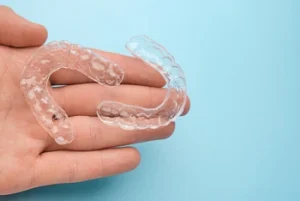 Finding Confidence and Comfort as You Continue Invisalign
Adjusting to Invisalign takes patience, but once your mouth adapts, comfort becomes second nature. The key is maintaining balance, giving your teeth time to move, your gums time to recover, and your aligners the care they need to stay clean. Every stage becomes easier when you understand what’s normal and when to reach out for advice.
Steady Habits Lead to Lasting Comfort
How to stop Invisalign pain is not about avoiding every twinge; it’s about learning how your body responds and supporting it through care. With steady routines and good oral hygiene, you can manage discomfort confidently and protect your oral health long-term. Maintaining discipline with cleaning, hydration, and reviews ensures a successful Invisalign treatment. Even if you notice some initial discomfort, remember it’s a normal part of undergoing treatment and often eases as your pain threshold adapts. Simple steps and consistent habits play a key role in achieving effective Invisalign pain relief without adding new challenges to your routine.
If you have ongoing soreness or questions about managing discomfort, our dental team is here to help. Call us today on (02) 9054 5281 to discuss your aligner experience and ensure your healing stays smooth for a healthier smile.
References
https://pubmed.ncbi.nlm.nih.gov/30264270/
https://www.forbes.com/health/dental/invisalign-review/